In brand-building strategies, product photography plays a crucial role. However, the approach to visual production for new brands and long-established brands differs significantly in terms of objectives, visual style, and messaging.
Understanding these differences helps businesses invest in visuals more effectively, align with their growth stage, and optimize marketing budgets.
1. Photography Goals: Brand Awareness or Brand Reinforcement?
For New Brands
The primary objectives include:
Introducing products to the market
Building initial brand awareness
Creating a strong first impression
At this stage, visuals should be clear, easy to understand, and memorable, allowing customers to quickly recognize what the product is and which brand it belongs to.
For Established Brands
The focus shifts from introduction to:
Reinforcing brand image
Showcasing evolution and innovation
Strengthening emotional connection and trust
Images are expected to deliver depth, storytelling, and reaffirm the brand’s market position.
2. Visual Style: Simplicity vs Purposeful Creativity
New Brands – Clear & Minimal
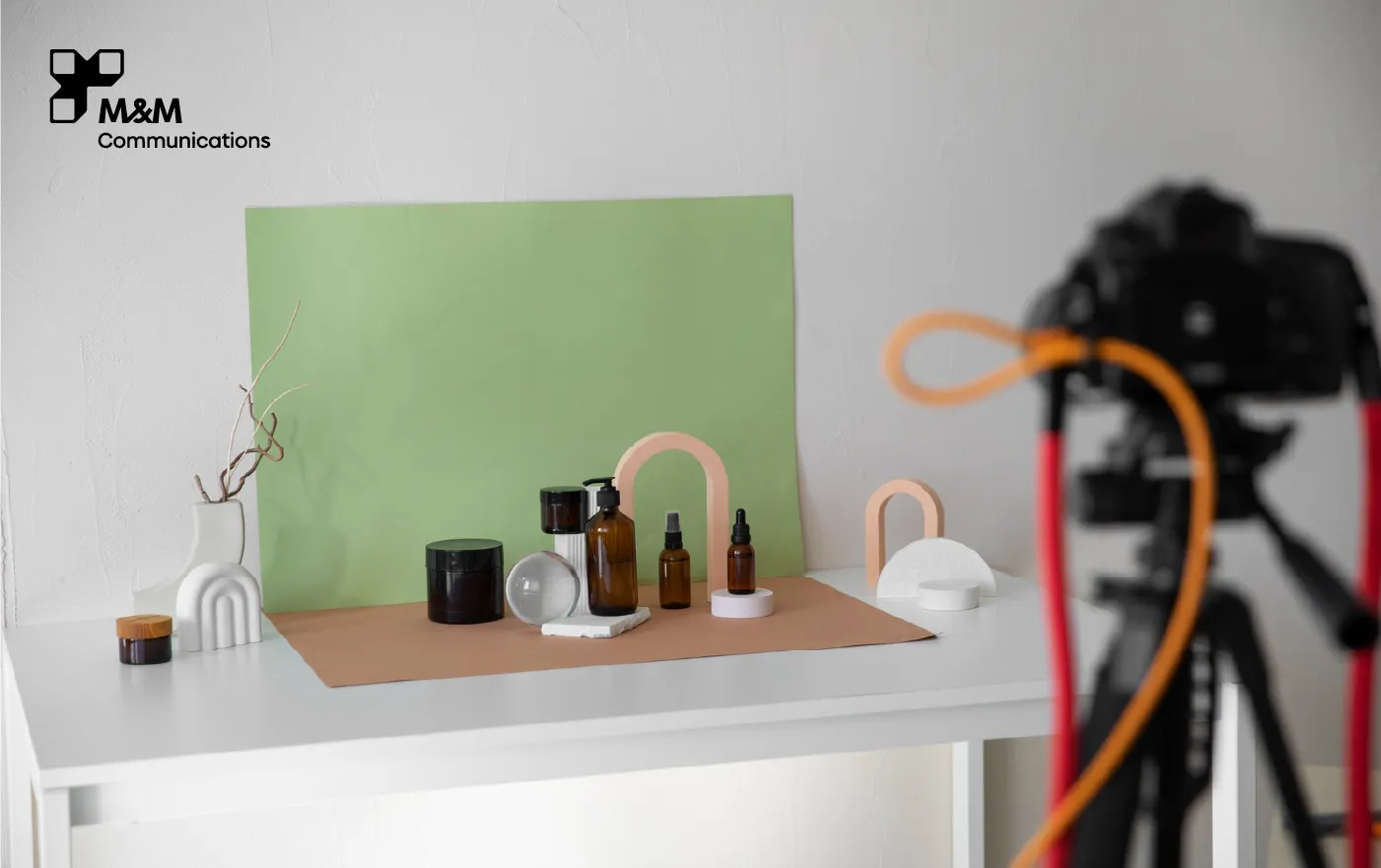
Clean packshot photography
Even, well-balanced lighting
Simple compositions with minimal props
Accurate brand colors
This approach ensures versatility across websites, e-commerce platforms, and social media.
Established Brands – Creative & Expressive
Lifestyle and storytelling concepts
Carefully curated settings and styling
Strong emotional tone and visual identity
Distinct brand personality
Here, images are designed not just to be seen, but to be felt.
3. Visual Content: Explaining Products or Telling Stories?
For New Brands
Photography focuses on:
Product functionality
Key details and textures
Materials and craftsmanship
Usage and benefits
The goal is to help customers understand and trust the product quickly.
For Established Brands
Visuals emphasize:
User experience
Lifestyle integration
Brand values and identity
Emotional storytelling
Story-driven imagery becomes a core element of communication.
>>> Studio Photography Vs. On-Location Photography: Which Should Your Business Choose?
4. Production Investment Level
New Brands
Budget-conscious production
Essential but professional image sets
Scalable for future campaigns
Consistency and clarity are more important than complexity.
Established Brands
Higher investment in concept development
Involvement of stylists and creative directors
Advanced post-production and artistic direction
Each photoshoot functions as a complete visual campaign.
5. Image Usage Across Platforms
New Brands | Established Brands |
Website | Website & landing pages |
E-commerce platforms | Social media |
Social media | Advertising & campaigns |
Basic catalogues | TVCs & brand storytelling |
Visual strategies must evolve as the brand matures.
6. Why Choosing the Right Production Partner Matters
A professional production team doesn’t just create visually appealing images. They also:
Understand brand objectives
Define suitable visual direction
Provide long-term visual strategy consulting
Help avoid unnecessary costs
M&M Communications – Product Photography Solutions for Every Brand Stage
At M&M Communications, we develop photography solutions based on:
Brand growth stage
Market positioning
Communication and marketing strategy
From clean packshot photography for emerging brands to lifestyle and storytelling visuals for established brands, every project is crafted with purpose, consistency, and strategic insight.
Conclusion
There is no one-size-fits-all approach to product photography.
New brands need clear visuals to build recognition, while established brands require depth and storytelling to elevate brand value.
Investing in the right visual approach from the beginning ensures sustainable growth and long-term brand impact.
Contact M&M Communications to receive tailored product photography solutions aligned with your brand’s development stage.
>>> Professional Product Photography Services With M&M Communications
Related news
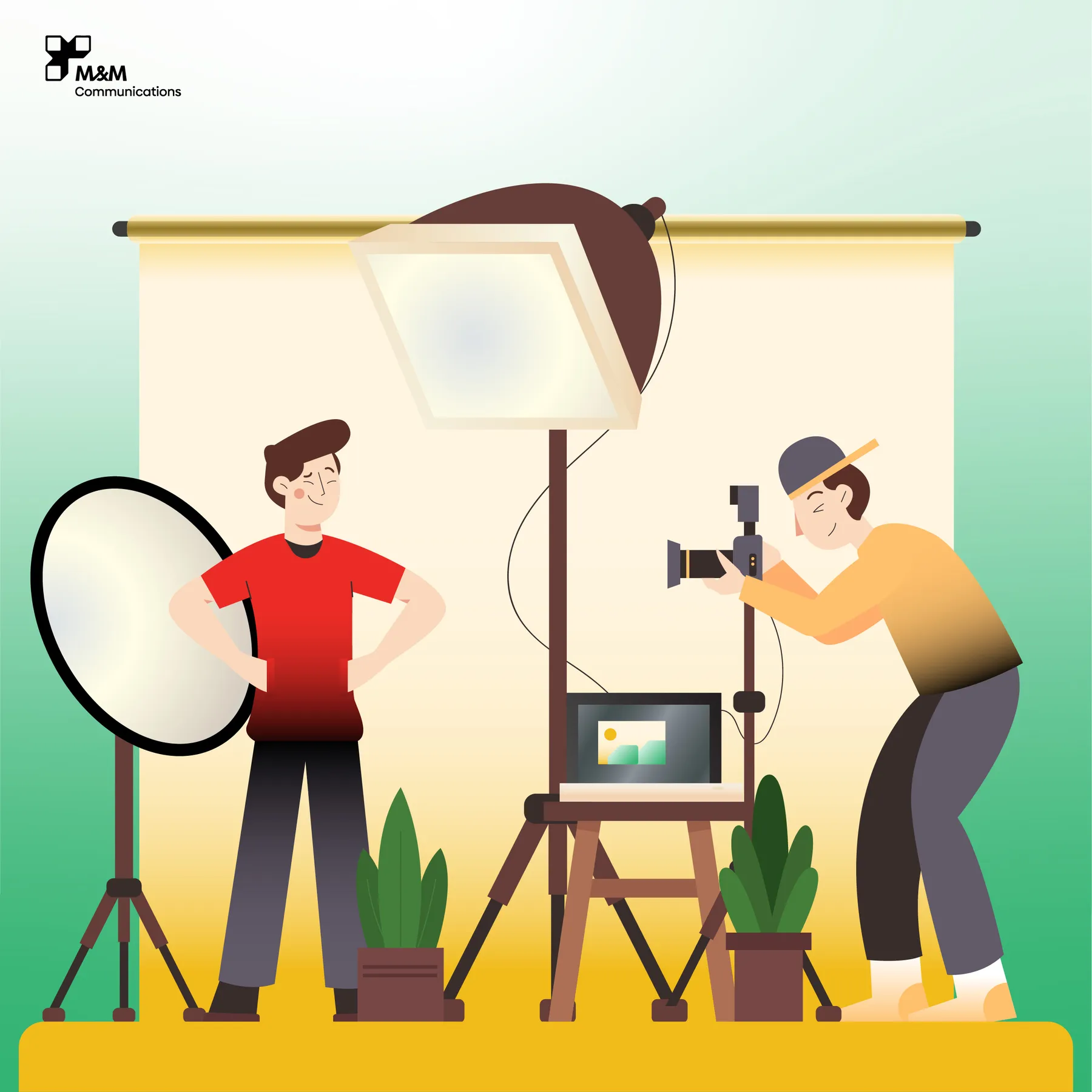
SIMPLE LIGHTING SETUPS FOR PROFESSIONAL-LOOKING PRODUCT PHOTOGRAPHY
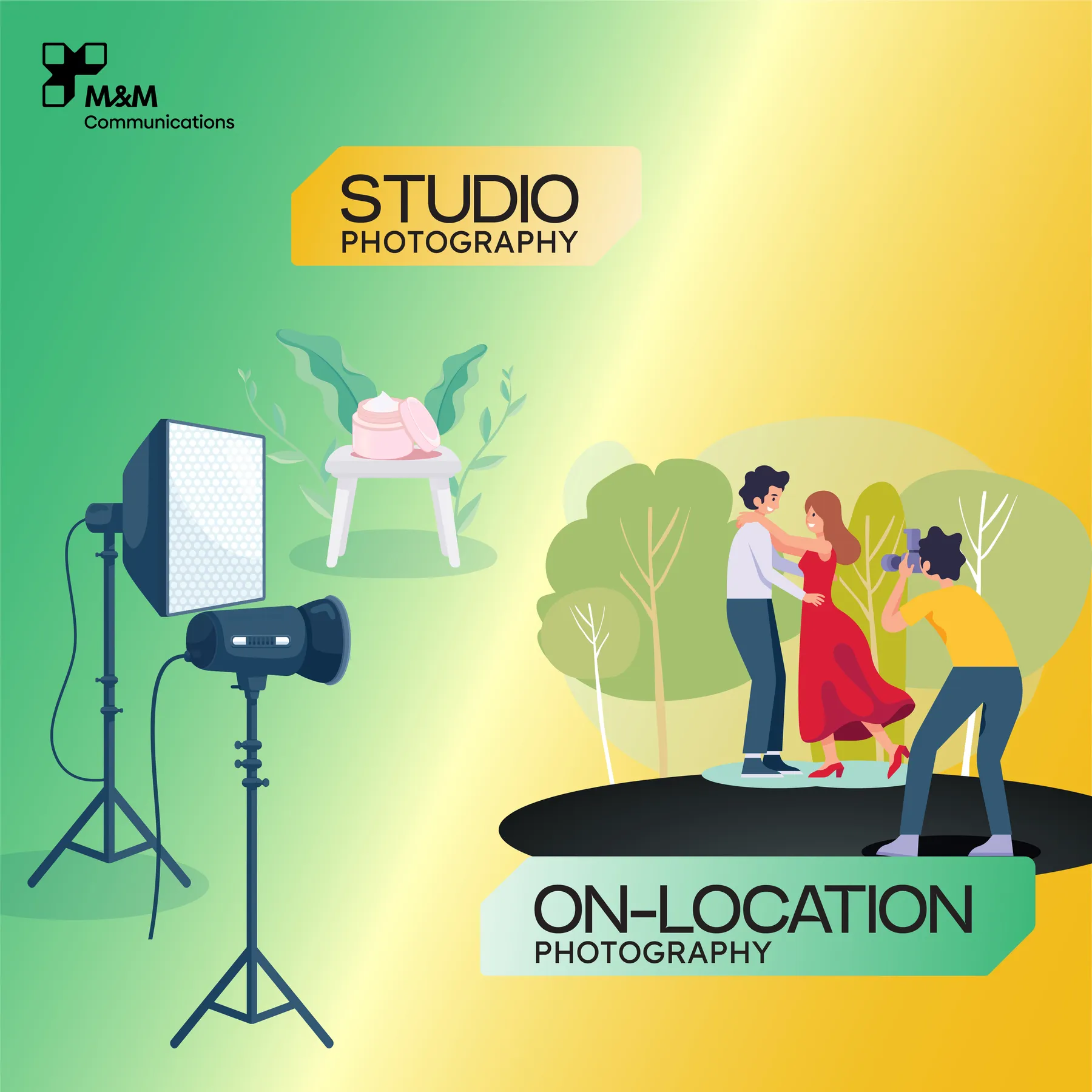
STUDIO PHOTOGRAPHY VS. ON-LOCATION PHOTOGRAPHY: WHICH SHOULD YOUR BUSINESS CHOOSE?

ELEVATE YOUR BRAND IMAGE WITH A FULL-SERVICE FILMING & PHOTOGRAPHY COMBO