When taking product photos, lighting is one of the factors that directly affects the image quality and the customer's perception of the product. Many businesses often hesitate between using natural light or artificial light to obtain beautiful and professional photos.
Each type of lighting has its own advantages and limitations, suitable for different purposes, industries, and image requirements. So, what is the right choice for a business when taking product photos?
1. What is natural light?
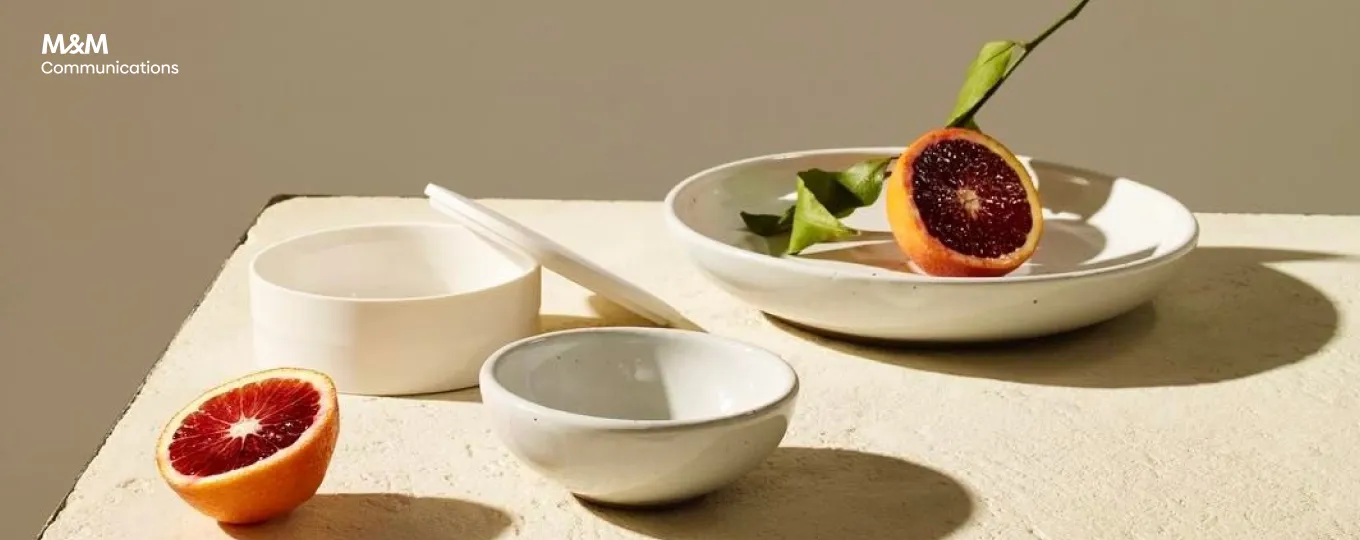
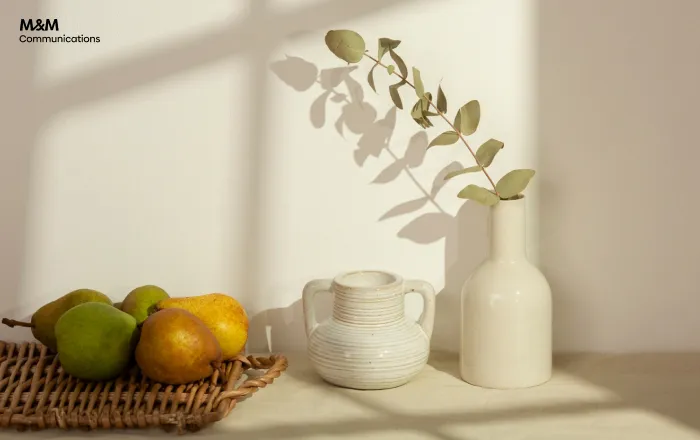
Natural light is a light source coming from the sun, often utilized through windows, balconies, or outdoor spaces.
This type of lighting is commonly used in product photography due to its ability to reproduce realistic colors and create a natural feel for the images.
Some characteristics of natural light:
Realistic, soft colors
Creates a close and natural feeling
No need to invest in much equipment
Suitable for lifestyle concepts or handicraft products
However, natural light often changes according to the weather, time of day, and shooting location, making it more difficult to control the image quality.
2. What is artificial light?
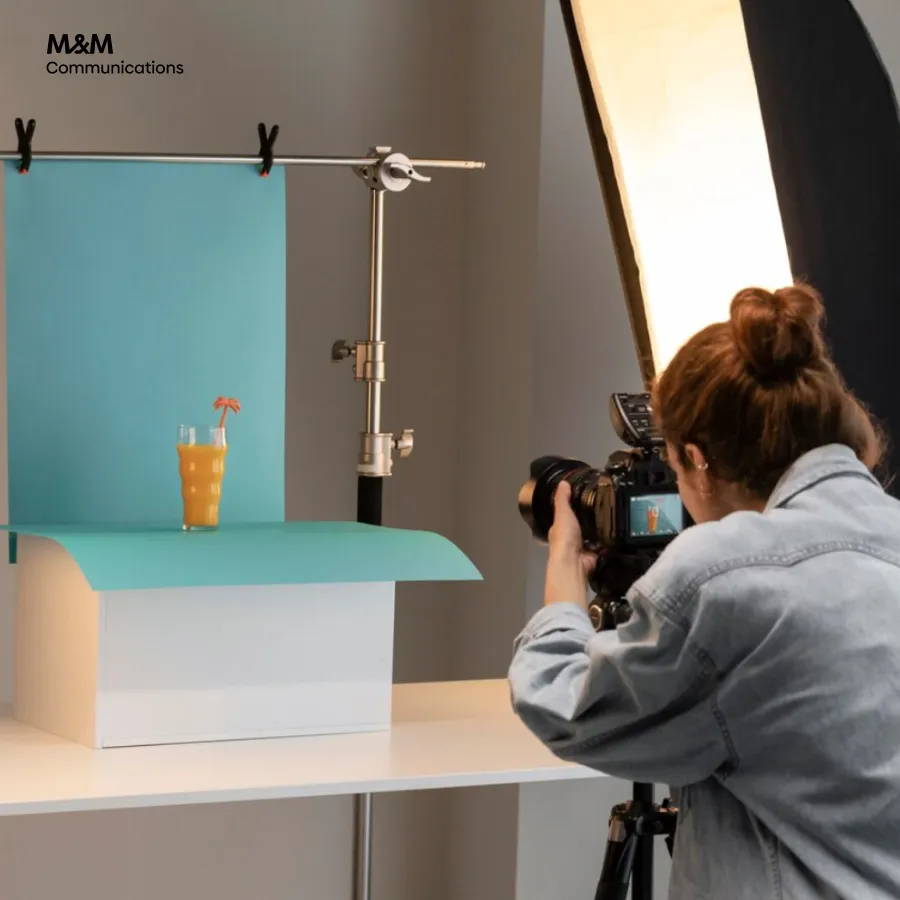
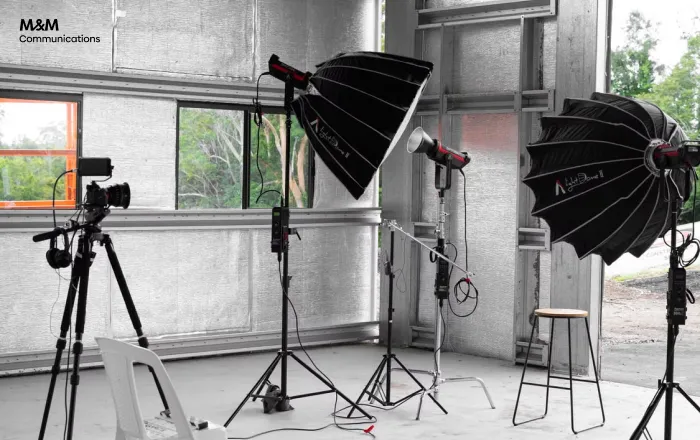
Artificial light is a light source created from specialized devices such as studio lights, LED lights, softboxes, or flashes.
This is a popular choice for professional product photoshoots due to the ability to control light precisely.
Advantages of artificial light:
Proactive control over light intensity and direction
Ensures consistency across images
Not dependent on weather
Can be shot at any time of the day
Thanks to its excellent control, artificial light is often used for commercial product projects, catalogues, e-commerce websites, and advertisements.

3. Comparing natural light and artificial light in product photography
Light control capability
Artificial light provides a clear advantage in terms of control. Photographers can adjust the brightness, angle of illumination, and softness of the light as desired.
Meanwhile, natural light depends heavily on environmental conditions and often changes continuously.
Color Accuracy
Natural light often helps products look more familiar and natural, especially for product categories such as food, handmade cosmetics, or lifestyle products.
Artificial light can still reproduce colors accurately if set up with the correct technique and appropriate white balance.
Image Consistency
For large sets of product photos, consistency is a very important factor.
Artificial light helps ensure that every image has the same quality and color, which is convenient for use on websites, e-commerce platforms, or catalogues.
Investment Cost
Natural light has a cost advantage as it does not require much equipment.
Conversely, artificial light requires investment in lighting systems, supporting accessories, and a suitable shooting space to achieve optimal results.
4. When should each type of light be used?
Natural light is suitable when:
Photographing handmade products
Photographing food
Photographing cosmetics in a lifestyle style
Build an accessible, authentic image
Artificial lighting is appropriate when:
Shooting e-commerce products
Shooting catalogues
Shooting tech products
Shooting large sets of photos that require consistency
Executing professional advertising campaigns
In practice, many current projects combine both light sources to leverage the advantages of each method and create the highest quality images.
Professional product photography with M&M Communications
At M&M Communications, we build product photography solutions based on the communication goals, industry, and image usage needs of each business.
The production team will evaluate the concept, select the appropriate lighting option, and establish a shooting process to ensure the images accurately reflect the product's value as well as the brand identity.
Whether using natural or artificial light, the ultimate goal is still to create high-aesthetic, consistent images that effectively support the business's marketing activities.
>>> Tips for simple lighting setup while maintaining professional product photography