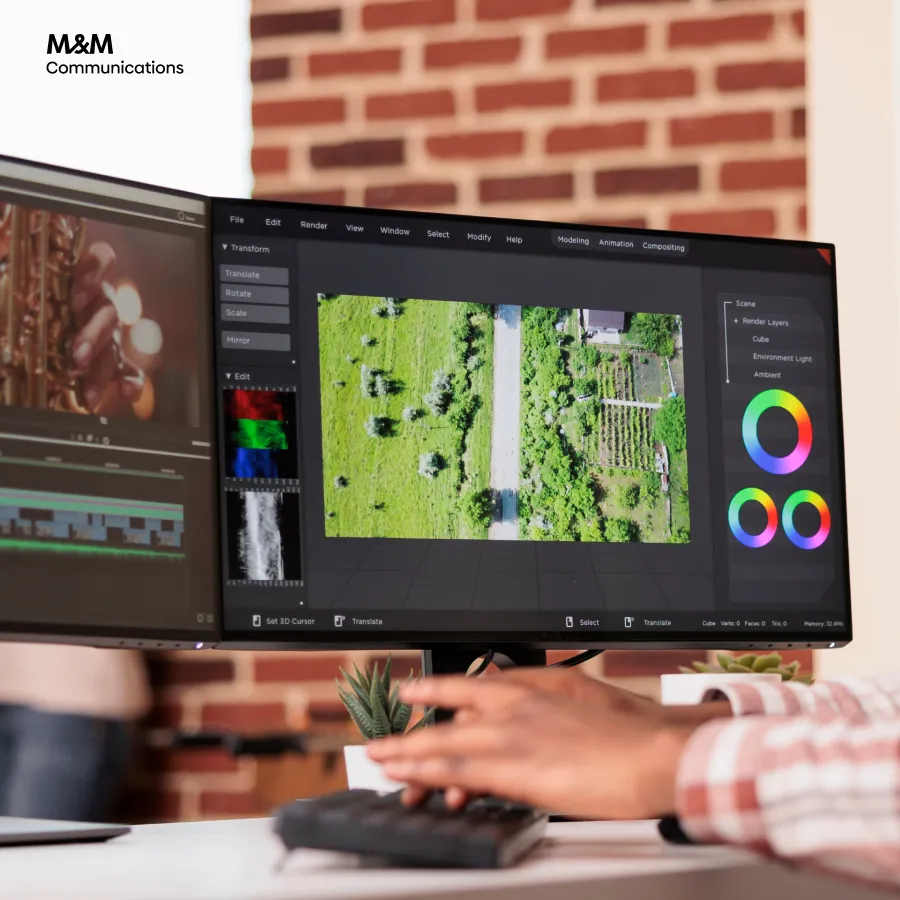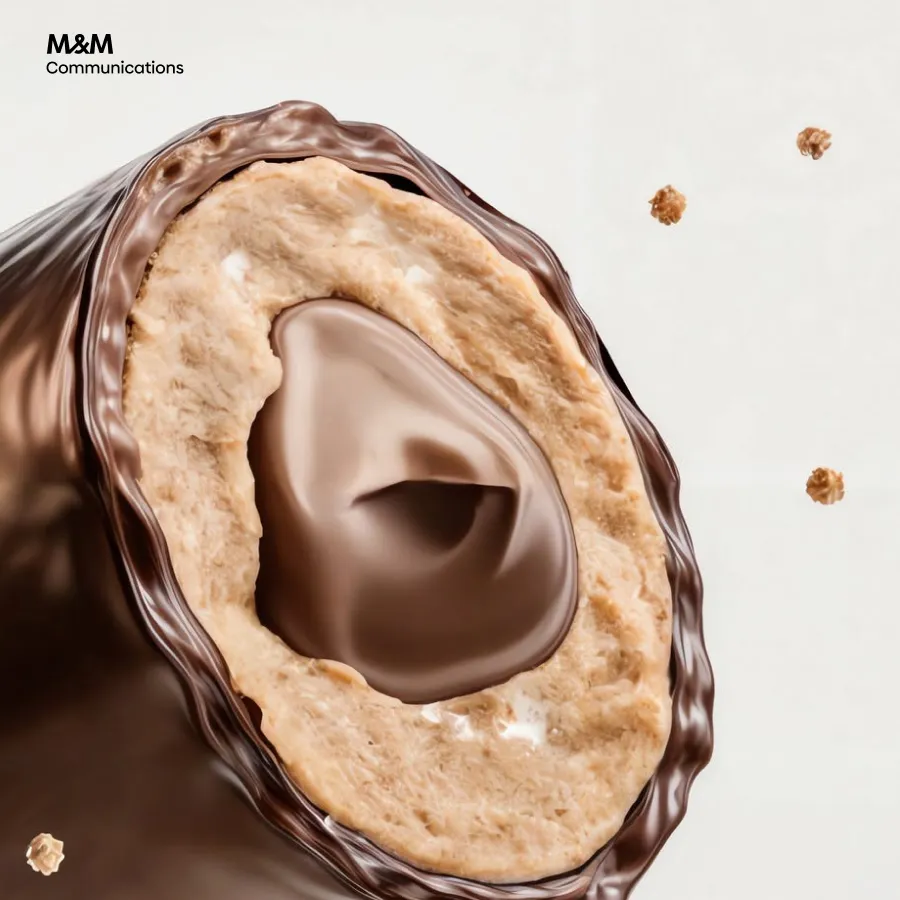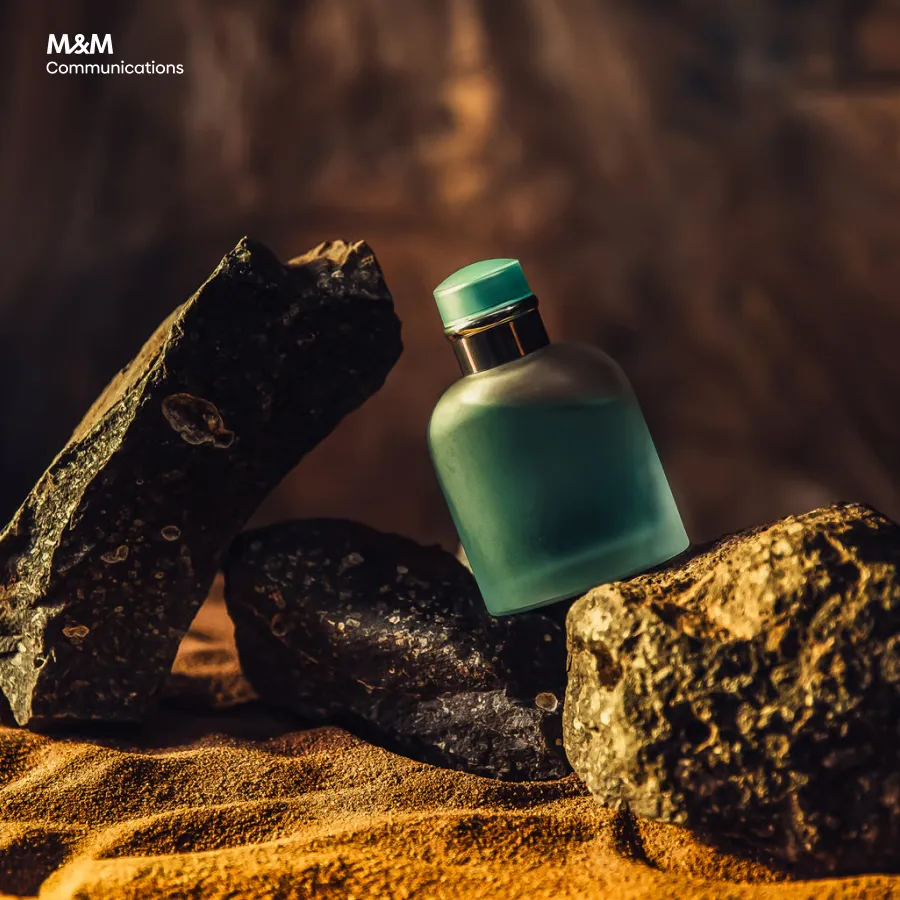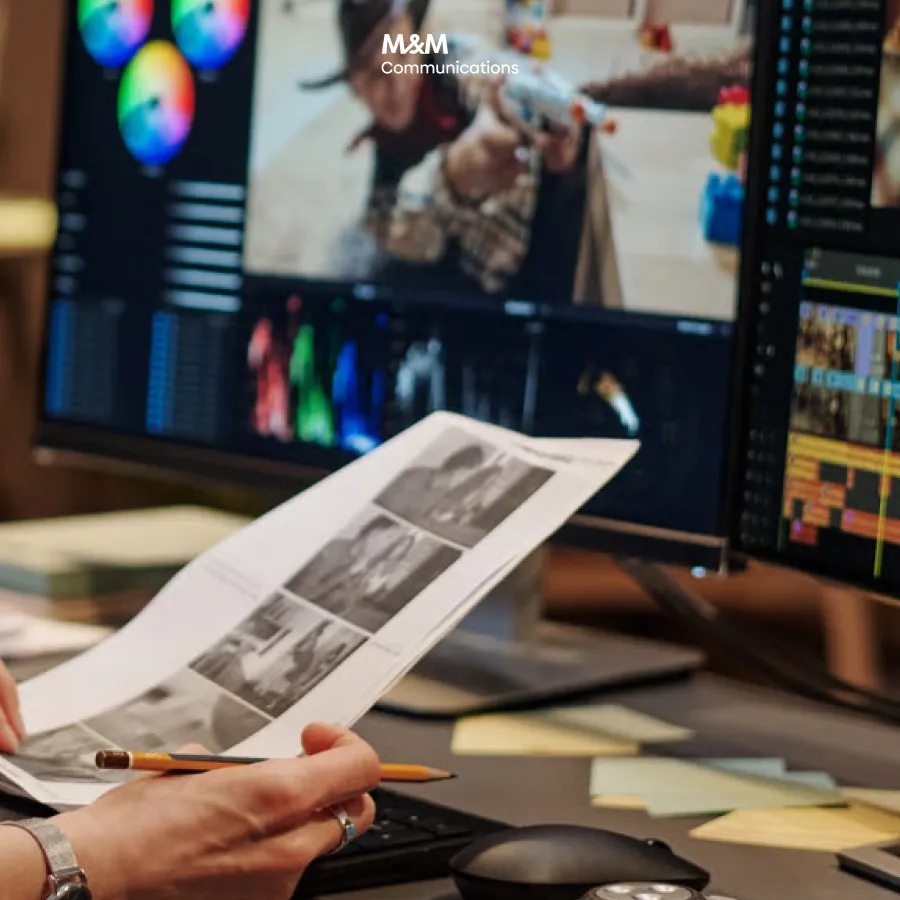
In an era where images and visual experiences play a decisive role in attracting customers, 3D animation videos are becoming one of the most powerful communication tools for businesses. Not only helping to convey information visually and vividly, but 3D videos also open up unlimited creative possibilities – from product simulation, architecture, to brand storytelling.
So, how is a professional 3D animation video created? Join M&M Communications to explore the A–Z process of producing 3D animation videos right below.
1. Receiving requirements & defining objectives

The first step in any project is to understand the customer clearly.
At this stage, the production team will work directly with the business to:
Define video objectives (product introduction, branding, training, advertising…)
Identify target audience
Understand the message to be conveyed
Agree on visual style (realistic, cartoon, futuristic…)
This is the foundational step that determines the entire direction of the project. The clearer the brief, the more optimized the production process is in terms of time and cost.
2. Developing ideas (Concept & Script)
After understanding the requirements, the creative team will proceed to:
Develop concept (main idea)
Write script
Build storytelling
Unlike live-action videos, 3D animation allows for almost unlimited creativity. However, it is precisely for this reason that controlling ideas becomes increasingly important.
A good script needs:
Clear message
Reasonable rhythm
Take advantage of 3D imagery (cross-section, detail zoom, structure simulation…)
3. Storyboard – Visualizing the script
Storyboard is the step of converting the script into images.
At this stage:
Each shot is sketched into frames
Determine camera angles, movement, composition
Visualize the overall flow of the video
Storyboard helps:
Customers easily visualize the final product
Minimize the risk of later revisions
Optimize the production process
4. 3D Design (Modeling)

This is the step to start “building” the entire video.
The 3D artist team will:
Create 3D models for characters, products, scenes
Ensure accurate proportions, structure
Optimize models for animation
For projects like product videos, the accuracy of modeling is extremely important, especially when needing to simulate technical details or internal structure.
5. Texturing & Lighting – Creating materials and lighting
After having the model, the next step is:
Apply materials (texture)
Set up lighting
This is the factor that determines the “realism” of the video.
Examples:
Cosmetic products need smooth, glossy surfaces
Technology devices need sharp, modern lighting
Interior needs warm, natural lighting
A good lighting setup can elevate the entire video from “beautiful” to “premium”.
>>> 5 Popular Types of 3D Animation Videos in Corporate Communication
6. Rigging & Animation – Creating movement
Rigging is the process of creating a skeletal system for objects (especially characters), helping them move flexibly.
Then, the animator will:
Create movement for characters, camera, objects
Adjust timing, easing
Create emotion and rhythm for the video
This is the stage of “breathing life” into the entire product.
Smooth, natural animation will help the video:
Easier to watch
Increase professionalism
Keep viewers engaged longer
7. Rendering – Exporting images
Rendering is the process of converting all 3D data into complete images/video.
This is the step that consumes the most resources and time, because:
Calculate lighting, shadows, reflections
Process details of each frame
Render quality will directly affect:
Sharpness
Colors
The “realistic” feel of the video
8. Post-production
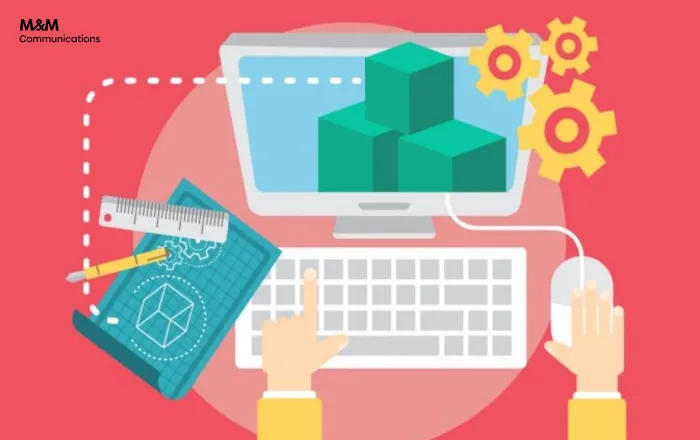
After rendering, the video will enter the post-production stage:
Includes:
Video editing
Add effects (VFX)
Sound design
Music and voice-over
Color grading
This is the final step to ensure the video meets standards for:
Emotion
Rhythm
Viewer experience
9. Review & editing
Before handover, the video will go through rounds of:
Internal review
Client feedback
Revisions usually focus on:
Editing rhythm
Colors
Message content
A professional process always has clear checkpoints to ensure output quality.
10. Handover & multi-platform optimization
After completion, the video will be:
Exported in multiple formats (MP4, MOV…)
Optimized for each platform (Facebook, TikTok, YouTube, TVC…)
This optimization helps:
Video displays well on all devices
Increase communication effectiveness
Maximize ROI for businesses
Why invest in 3D animation videos?
Compared to traditional videos, 3D animation offers many superior advantages:
- Visualizing things that "cannot be filmed" (product structure, technology, etc.)
- Increasing creativity and brand differentiation
- Easy to edit and update
- Suitable for many industries: real estate, healthcare, technology, cosmetics, etc.
Especially in the increasingly competitive digital marketing landscape, a high-quality 3D video can become a "weapon" to help brands stand out on all platforms.
M&M Communications – Professional 3D Video Production Partner
At M&M Communications, we don't just produce videos – we build visual experiences that help brands tell their stories impressively and uniquely.
With a well-structured production process from A to Z, an experienced creative team, and modern visual thinking, M&M is committed to delivering:
- Creative concepts tailored to each brand
- High-quality 3D visuals
- Clear workflow, optimized time
- Final products that meet multi-platform media standards
Conclusion
3D animation video production is a complex process, requiring a combination of creativity, technical skills, and professional processes. From ideation to product completion, each step plays a crucial role in creating a high-quality video.
If your business is looking for a groundbreaking communication solution, 3D animation video is a worthwhile option, and a professional production partner will be key to turning your ideas into reality.
>> When Should Businesses Choose 3D Animation Video Instead of Filming?