In an increasingly competitive marketplace, packaging serves more than a protective function. It is a strategic branding tool that directly influences purchasing decisions. However, not all packaging is created equal. The distinction between premium packaging design and mass market packaging lies in strategy, materials, customer experience, and business objectives.
So where exactly do these two approaches differ? And which option should a business choose to align with its brand positioning?
1. Differences in brand positioning strategy
Premium packaging is developed to elevate brand perception. The design emphasizes refinement, exclusivity, and emotional value. The goal is to deliver more than a product. It is about offering an experience and a sense of status.
Mass market packaging, by contrast, targets a broad audience. It prioritizes cost efficiency and large scale production. The focus is on clarity, accessibility, and encouraging quick purchasing decisions in highly competitive environments such as supermarkets or ecommerce platforms.
If a brand is positioned within the premium segment, the packaging must communicate superior value at first glance.
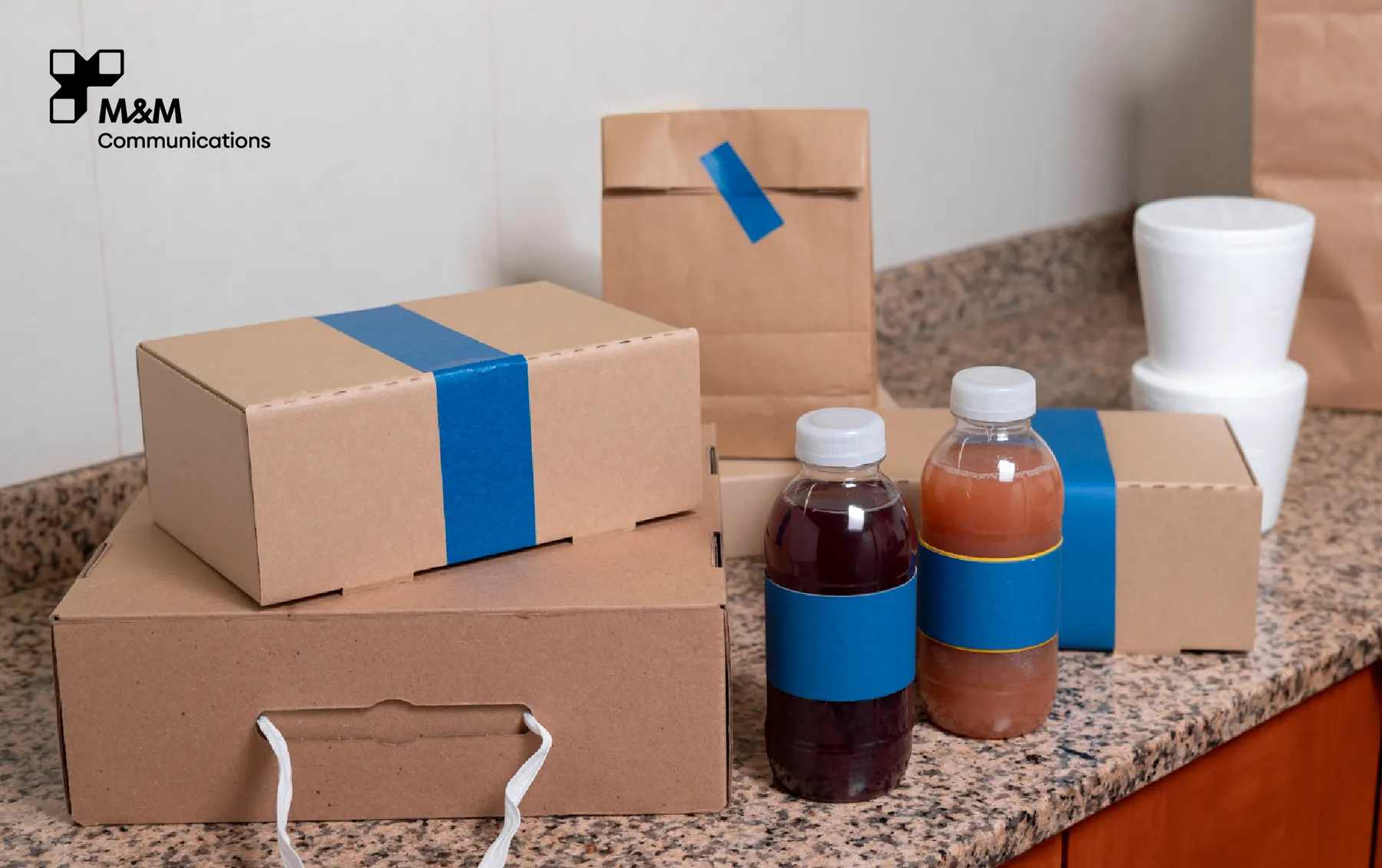
>>> When packaging is more than just a cover: the key to competitiveness and attracting consumers
2. Differences in materials and printing techniques
Premium packaging often utilizes:
High quality art paper or rigid premium cardboard
Foil stamping, embossing, and spot UV finishing
Multi layer printing with refined surface treatments
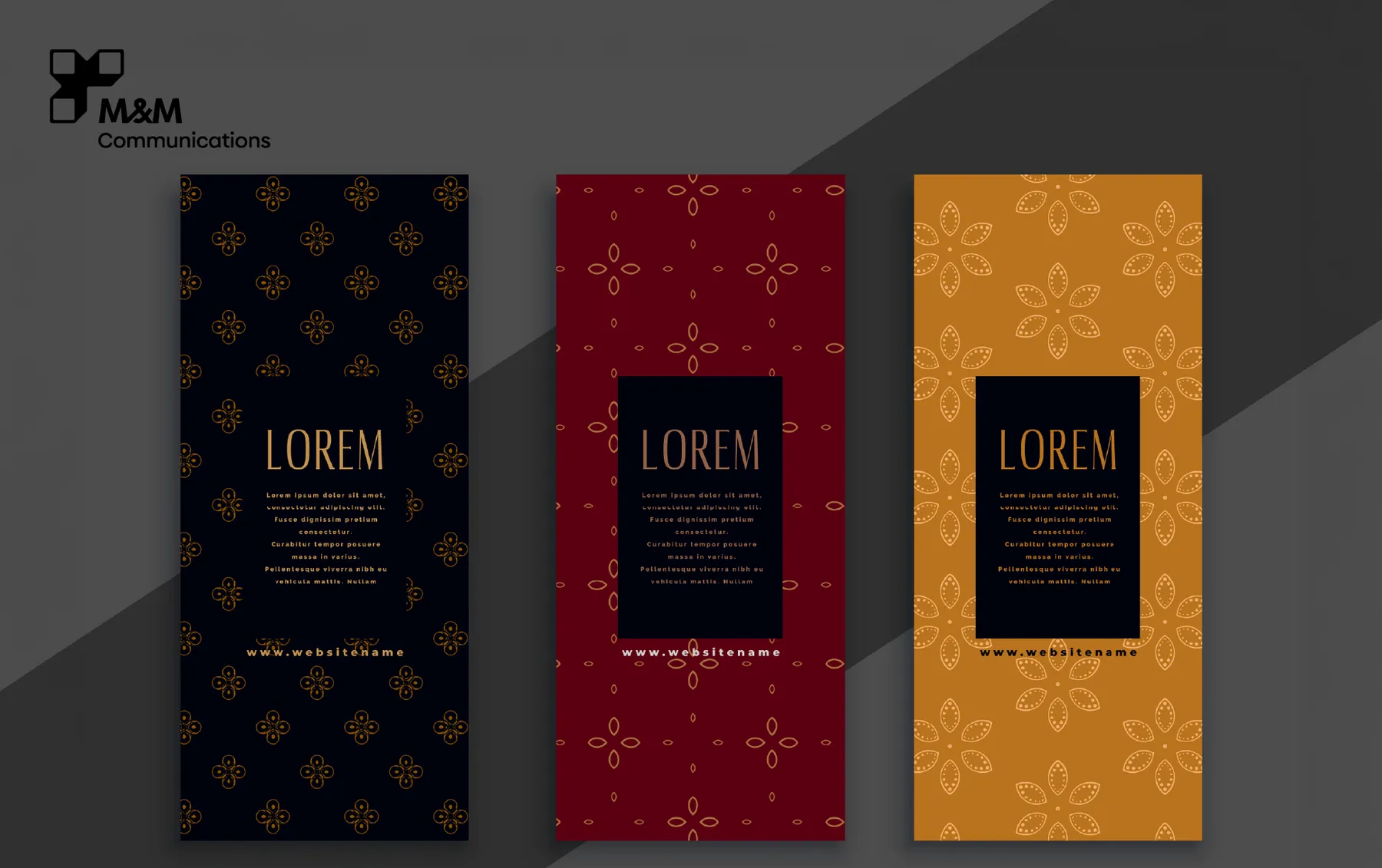
These elements create a solid, luxurious tactile experience and enhance the unboxing moment. In contrast, mass market packaging typically prioritizes:
Standard coated paper, duplex board, or common plastics
Conventional offset printing techniques
Cost optimized production processes
This approach reduces overall expenses but may limit the ability to create strong visual and tactile impressions.
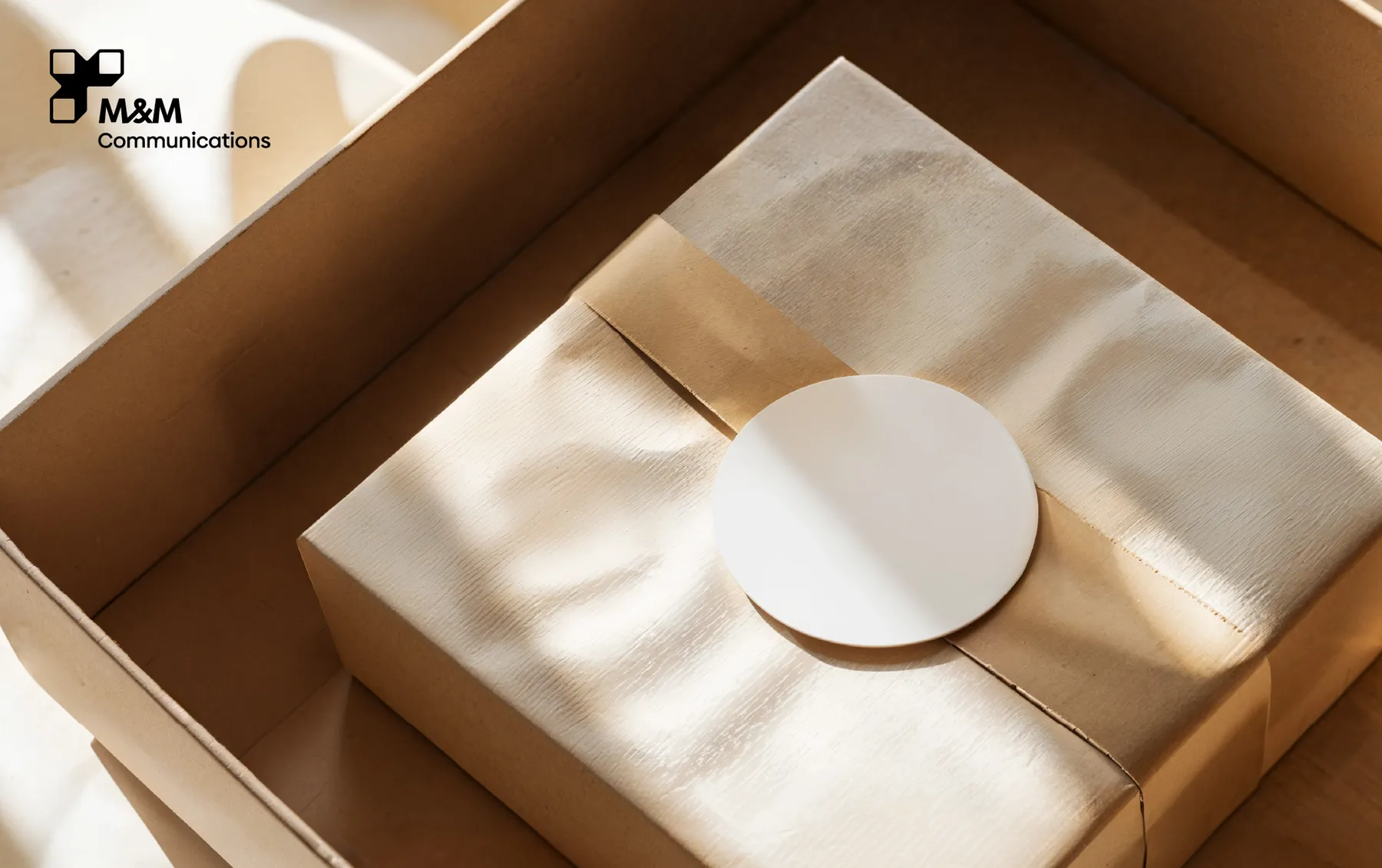
3. Differences in visual design
Premium packaging design typically features:
Minimalist layouts with refined focal details
Sophisticated color palettes such as black, white, gold, or navy
Careful use of white space and balanced composition
Thoughtfully selected imagery and typography
Mass market packaging often includes:
High information density displayed simultaneously
Bold colors designed to capture attention quickly
Design emphasis on features, pricing, and promotions
This difference reflects distinct sales strategies. One approach focuses on selling brand value, while the other emphasizes immediate functional benefits.
4. Differences in customer experience
With premium packaging, the unboxing experience is integrated into the marketing strategy. The tactile sensation of materials, the internal product arrangement, and even small finishing details are carefully calculated to create a memorable impression.
Mass market packaging concentrates on practicality and logistical efficiency. Designs are typically compact, easy to transport, and suitable for large scale display.
If a brand aims to encourage customers to share their purchases on social media, premium packaging offers a significant visual advantage.
5. Differences in cost structure and profit objectives
Premium packaging involves higher production costs due to superior materials, advanced printing techniques, and multi step finishing processes. However, it enables businesses to command higher pricing and build long term brand equity.
Mass market packaging optimizes cost to enhance price competitiveness. Profit margins often depend on sales volume and turnover speed. The choice between these two approaches depends on customer segmentation and long term brand development strategy.
Should a business choose premium or mass market packaging?
There is no universally correct option. The key lies in alignment with:
Brand positioning
Product pricing
Target audience
Long term marketing strategy
A premium brand using mass market packaging may reduce perceived value. Conversely, investing in premium packaging for a low priced product may create cost imbalance.
Strategic packaging design with M&M Communications
At M&M Communications, we do more than create visually appealing packaging. We develop solutions aligned with business objectives. From brand positioning research and industry analysis to material selection and printing techniques, every element is strategically evaluated to ensure long term effectiveness.
A strategically designed package protects the product, strengthens brand value, and directly influences purchasing decisions.
Conclusion
The difference between premium packaging design and mass market packaging lies in positioning strategy, materials, customer experience, and business goals. Understanding these distinctions enables businesses to invest strategically and optimize sales performance.
If you are developing or redesigning your product packaging, begin with a fundamental question: In which market segment does your brand aspire to be perceived?