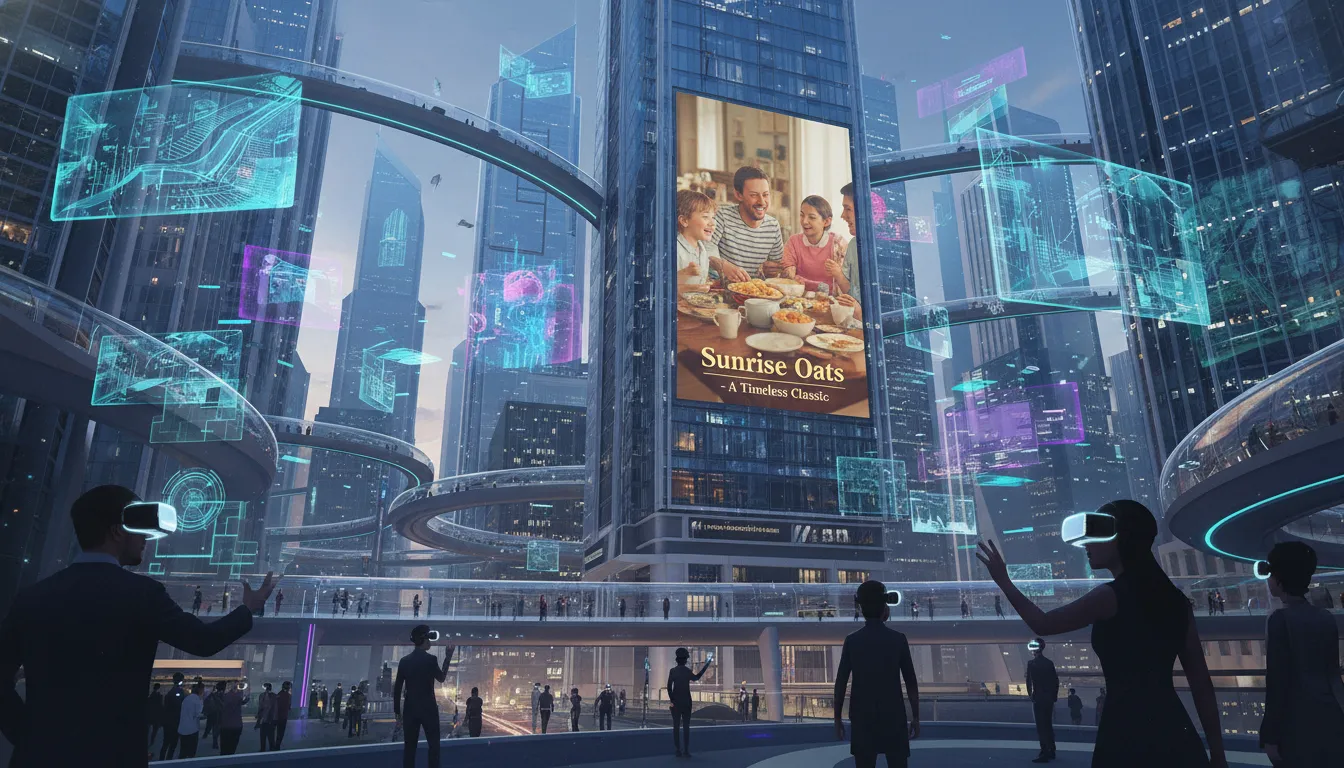
The digital horizon is perpetually shifting, and at its heart lies the ever-evolving medium of video. As we cast our gaze towards 2026, we find ourselves at a fascinating crossroads. Traditional video, with its enduring power, stands alongside burgeoning immersive alternatives like Virtual Reality (VR) and Augmented Reality (AR), each vying for our attention.
At M&M Communications, we believe that the true magic lies not in the technology itself, but in the stories it helps us tell. We don't just aim to sell products; we strive to evoke feelings, emphasize experiences, and forge lasting connections that resonate deeply with audiences. This commitment to inspirational and magical storytelling is more vital than ever as the video landscape becomes increasingly diverse.
This article explores the State of Video Production in 2026 vs alternatives, dissecting the industry trends that will define how brands connect with their customers. We will navigate the nuanced interplay between proven formats and emerging technologies, always returning to the core principle: the power of a well-told story to move and engage. Understanding these dynamics is crucial for any brand looking to truly captivate and retain their audience in the coming years.
State of Video Production in 2026 vs Alternatives: VR/AR
By 2026, video content will remain the undisputed king of digital consumption, yet its forms will be far more varied than ever before. The prevalence of high-speed internet and increasingly sophisticated mobile devices has democratized access to rich media. This has paved the way for new storytelling dimensions.
Among the most talked-about alternatives are Virtual Reality (VR) and Augmented Reality (AR), technologies once confined to science fiction. VR offers fully immersive digital worlds, transporting users entirely out of their physical surroundings. Conversely, AR overlays digital information onto the real world, enhancing our perception of reality without fully replacing it.
These technologies hold immense potential for specific applications, particularly in sectors like tourism, education, and specialized training. Imagine a virtual tour of Vietnam's ancient Hue Citadel, allowing viewers to explore its intricate architecture as if they were truly there, or a medical student practicing complex surgery in a simulated VR environment. However, their widespread adoption for general marketing and communication still faces significant hurdles. The cost of hardware, the learning curve for users, and the potential for motion sickness or social isolation remain considerable barriers to mass appeal.
While VR/AR experiences are undeniably impactful, they currently serve niche purposes rather than replacing the broad utility of traditional video. Their strength lies in deep immersion for specific, often longer-form, engagements. For the quick, impactful narratives that drive daily brand communication, other formats still dominate.
2D Video vs. 3D Spatial Content
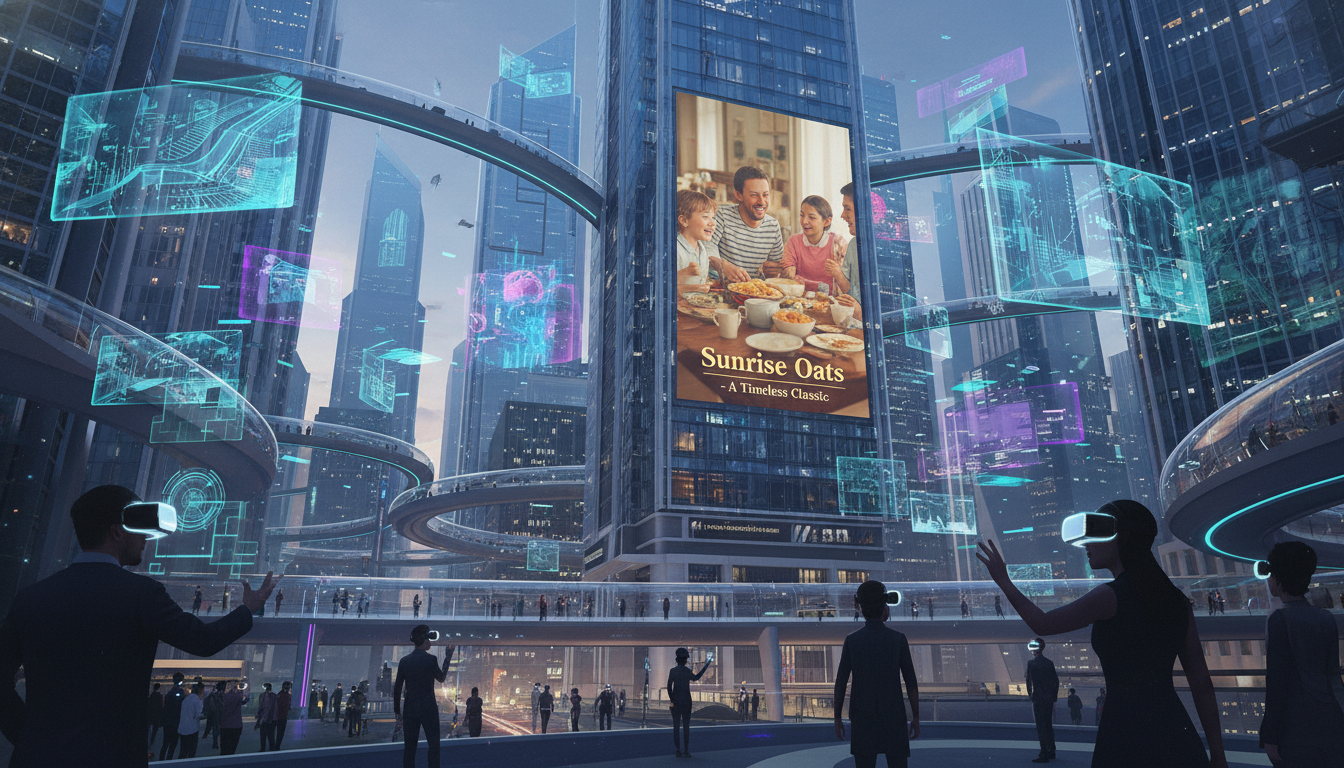
The fundamental debate in the future of visual communication often boils down to 2D versus 3D spatial content. Traditional 2D video, familiar to everyone through screens large and small, remains universally accessible and incredibly effective for broad communication. It leverages established cinematic techniques to tell linear stories, evoke emotions, and convey messages with clarity.
3D spatial content, encompassing VR and advanced AR experiences, on the other hand, offers unparalleled depth and interactivity. It allows users to move within and manipulate digital environments, creating a sense of presence that 2D video cannot replicate. This is particularly powerful for experiential marketing or detailed product showcases, where a brand like Casa Living might allow customers to virtually walk through a designed space.
However, the production complexity and distribution requirements for high-quality 3D spatial content are considerably higher. Creating a compelling VR experience demands specialized hardware, sophisticated software, and a unique skillset in spatial design and interaction. This contrasts sharply with 2D video, which can be produced with varying budgets and distributed effortlessly across every digital platform, from YouTube to TikTok.
For M&M Communications, the choice between 2D and 3D isn't about one being superior, but about strategic application. We recognize that while 3D offers new frontiers, the mastery of 2D video production for TVCs, commercial videos, and social content still delivers exceptional value and reaches the widest possible audience. It's about ensuring the chosen format best serves the client's objective and resonates most effectively with their customers.
The Rise of Interactive Storytelling
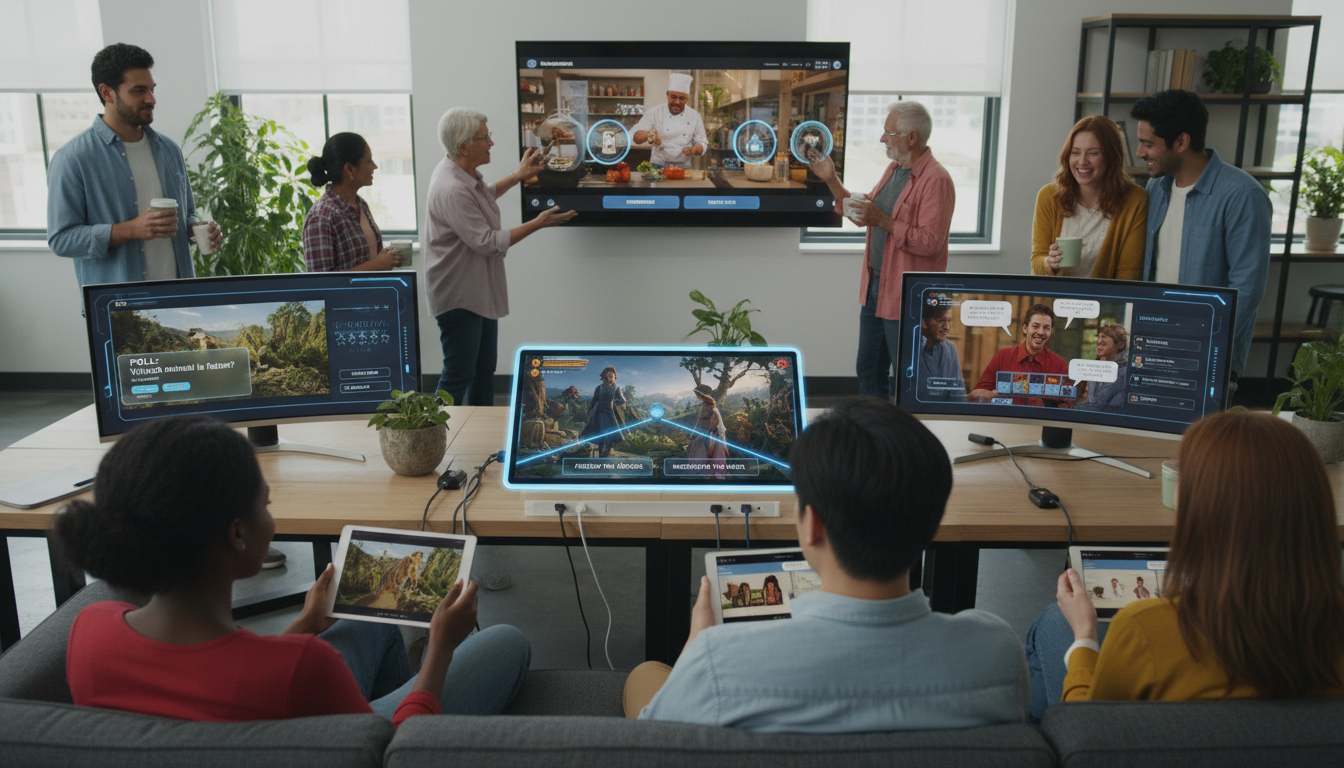
Beyond the binary of 2D and 3D, a fascinating evolution in content creation is the rise of interactive storytelling. This approach bridges the gap between passive consumption and full immersion, allowing audiences to actively participate in the narrative. Think "choose your own adventure" videos, clickable elements within a commercial, or personalized content streams based on user choices.
Interactive video enhances engagement by giving viewers agency, making them feel more invested in the story unfolding before them. For instance, a food brand like Meat & Livestock Australia (Aussie Beef and Lamb Vietnam) could create an interactive recipe video where viewers select ingredients or cooking methods, leading to different outcomes. This personalization fosters a deeper connection and makes the experience far more memorable.
This trend perfectly aligns with M&M's philosophy of emphasizing experiences and making customers "stick by feeling." By inviting interaction, brands move beyond simply broadcasting a message to creating a dialogue. It transforms viewers from passive recipients into active participants, deepening their emotional investment. The data gathered from user interactions can also provide invaluable insights into customer preferences, allowing for even more tailored and effective future content.
Interactive storytelling can be implemented across various formats, from simple quizzes embedded in a standard video to more complex branched narratives. It offers a powerful way to inject magic and wonder into content without requiring the full technological leap of VR or AR, making it a highly accessible and impactful tool for brands in 2026. It's about crafting stories that aren't just seen, but experienced.
Why Traditional Video Still Holds the Highest ROI
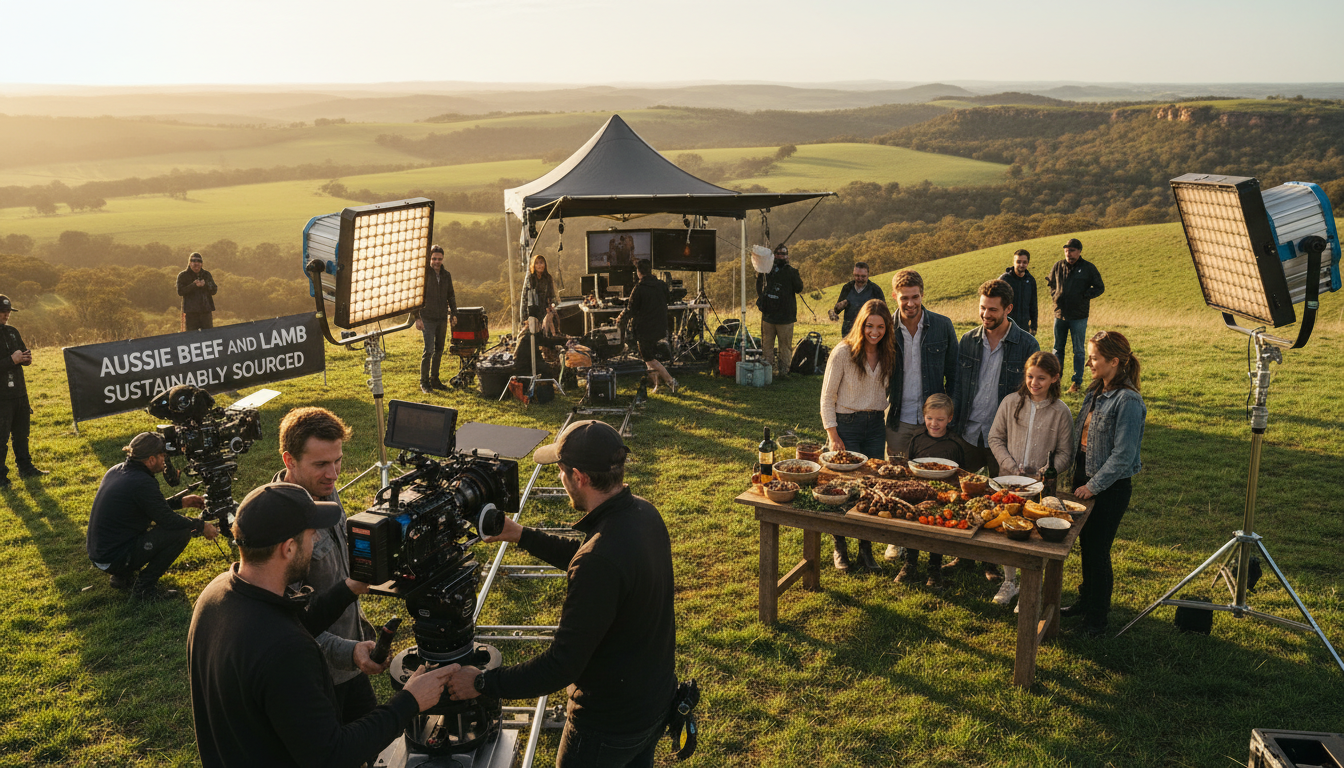
Despite the allure of new technologies, traditional 2D video production continues to deliver the highest return on investment (ROI) for the vast majority of brands. Its ubiquitous accessibility is a primary factor; virtually everyone with a smartphone or internet connection can consume video content without special hardware or software. This ensures a massive potential audience reach that VR/AR simply cannot match in 2026.
Production costs for high-quality traditional video, while significant, are generally more predictable and manageable compared to the cutting-edge requirements of immersive content. M&M Communications excels at optimizing affordable budgets while delivering exceptional value through strategic planning and efficient production. Our expertise in TVC, iTVC, and commercial video ensures that every frame contributes to the client's objective.
Furthermore, traditional video boasts unparalleled distribution capabilities. It can be effortlessly shared across social media platforms, embedded on websites, broadcast on television, and utilized in email marketing campaigns. This ease of dissemination amplifies a brand's message, ensuring maximum visibility and impact. A compelling commercial for Shiseido or Colgate & Pamolive, meticulously crafted, can reach millions and evoke strong emotional responses that translate directly into brand loyalty and sales.
The power of emotional resonance in traditional video is also a key driver of ROI. Expertly crafted narratives, compelling visuals, and evocative sound design can create a profound connection with viewers. These stories, whether they highlight the heritage of Quan Bui Restaurant or the quality of Gạo AAn rice, build trust and foster lasting relationships. This kind of magical storytelling, which M&M champions, is a proven method for making customers feel deeply connected to a brand, going beyond mere transactional interactions.
Integrating AR Overlays into Standard Video
For brands seeking to infuse innovation without fully committing to the complexities of VR, integrating Augmented Reality (AR) overlays into standard video presents a compelling middle ground. This approach leverages the familiarity and accessibility of traditional video while adding an interactive, "magical" layer. AR overlays allow digital information, graphics, or even 3D objects to appear within a 2D video frame, interacting with the real-world footage.
Consider a video showcasing a new product from Ariel Furniture; an AR overlay could dynamically display dimensions, color options, or even allow a viewer to "place" the furniture virtually in their own living space via a linked app. For a cultural documentary, an AR layer might pop up with historical facts or character biographies as they appear on screen, enriching the viewer's understanding without interrupting the flow. This capability adds a layer of practical utility and engagement that elevates standard content.
The beauty of AR overlays is their versatility and relatively low barrier to entry for consumers. Often, they can be accessed through a smartphone camera, a dedicated app, or even directly within a social media platform like Instagram or TikTok. This means brands can enhance their existing video content with interactive elements, offering a fresh experience without requiring expensive VR headsets or extensive user education. It's about making viewers wonder and delight at the possibilities.
M&M Communications sees AR overlays as a powerful tool to "never stop making you wonder at all things we do." By creatively integrating these elements, we can transform a standard product demonstration into an interactive exploration, or a travelogue into a personalized journey of discovery. This hybrid approach combines the broad reach and emotional power of traditional video with the cutting-edge engagement of augmented reality, creating genuinely unique and memorable brand experiences.
Choosing the Right Format for Your Audience
Navigating the diverse landscape of video production in 2026 requires a strategic approach, where the "right" format is always dictated by your audience and objectives. There is no one-size-fits-all solution, and understanding these nuances is paramount for effective communication. The key lies in aligning your content strategy with who you are trying to reach and what message you want to convey.
Firstly, consider your target audience's demographics and technological comfort. Are they early adopters eager for immersive VR experiences, or do they prefer the ease and familiarity of traditional social media videos? Understanding their consumption habits and the devices they use most frequently will guide your format selection. A young, tech-savvy audience for Pasteur Street Craft Beer might respond well to interactive AR filters, while a broader audience for Vinchoco might prefer a compelling 2D commercial.
Secondly, critically evaluate your message and the emotions you wish to evoke. Is it a complex instructional guide best suited for an interactive 3D spatial experience, or a powerful brand story that thrives on the emotional depth of a cinematic 2D narrative? The inherent strengths of each format should be leveraged to amplify your core message and resonate deeply. For example, a documentary for the National Program One Commune One Product (OCOP) might use 2D video to tell compelling stories of local producers, enhanced by AR overlays for product information.
Finally, factor in your budget, production capabilities, and desired distribution channels. While immersive content offers exciting possibilities, it often comes with higher costs and more complex production requirements. M&M Communications prides itself on being a one-stop marketing service agency, simplifying your life by offering integrated services from strategic planning to asset production and campaign implementation. We ensure your voice is heard, your needs are met, and your budget is optimized to deliver good values across all chosen formats.
Our role is to be your helping hand, guiding you through these choices to create content that not only reaches your audience but also creates lasting connections. We leverage our deep understanding of clients, competitors, and customers to craft effective solutions that truly set you apart.
Conclusion
As we look ahead to the State of Video Production in 2026 industry trends, it's clear that the future is dynamic, diverse, and incredibly exciting. While VR and 3D spatial content will continue to push the boundaries of immersion, the enduring power and accessibility of traditional 2D video remain undeniable. The most effective strategies will likely involve a thoughtful blend of these approaches, utilizing interactive elements and AR overlays to enhance engagement without sacrificing reach or emotional impact.
At M&M Communications, our mission transcends mere advertising; it's about crafting inspirational and magical stories that emphasize profound experiences. We believe that whether through a captivating TVC for Lotte Hotel Saigon or an engaging digital campaign for CafeShow Vietnam, the goal is always to forge lasting connections that resonate deeply with audiences. The format may evolve, but the human desire for compelling narratives and authentic experiences remains constant.
By understanding the evolving landscape, embracing innovation like AR overlays, and consistently prioritizing authentic storytelling, brands can ensure they not only capture attention but also secure a cherished place in the hearts and minds of their customers. In 2026, the brands that master the art of emotional connection through thoughtful video content will be the ones that truly thrive.