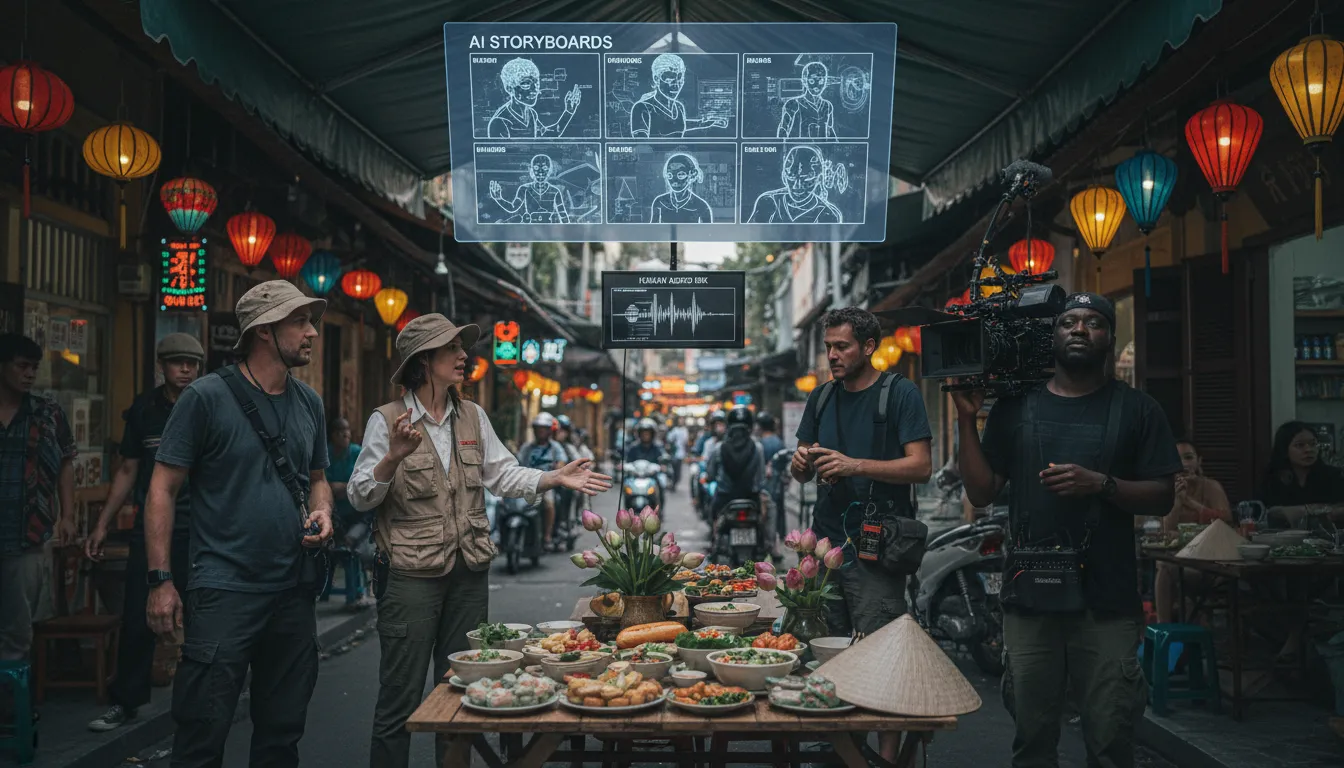
The vibrant tapestry of Asia, a continent pulsating with diverse cultures, ancient histories, and rapidly evolving economies, presents an unparalleled landscape for brands seeking to capture attention. From the bustling night markets of Bangkok to the serene tea plantations of Vietnam, every corner tells a story, every interaction offers a glimpse into a rich heritage. In such a dynamic environment, the quest for consumer engagement often boils down to a fundamental choice: to pursue the electrifying "wow-factor" campaign, or to opt for a more measured, consistent alternative.
Having spent years traversing this incredible continent, immersing myself in its culinary delights, understanding its intricate social fabrics, and marveling at its historical narratives, I’ve observed how deeply storytelling is embedded in the Asian psyche. It’s this innate appreciation for narrative and experience that makes the "wow-factor" so potent here. However, achieving genuine astonishment in a market constantly bombarded with stimuli requires more than just flash; it demands strategic insight, cultural resonance, and a profound understanding of what truly moves people.
This article delves into the intricate comparison between these two strategic paths, exploring their nuances, benefits, and challenges within the unique context of the Asian market. We will dissect the cost-benefit analysis, navigate the delicate balance between brand awareness and direct conversion, and determine when each approach is most effective. Furthermore, we will examine the sustainability of creative impact and champion a hybrid, data-driven methodology that promises to unlock the full potential of marketing in this fascinating region.
The Cost-Benefit Analysis of Viral Creativity
Embarking on a "wow-factor" advertising campaign in Asia is akin to staging a grand cultural festival – it demands significant investment, meticulous planning, and a willingness to embrace a certain level of risk. The potential rewards, however, can be monumental, offering an unprecedented surge in brand visibility and emotional connection that steady, incremental campaigns often struggle to achieve.
Consider the initial outlay for a truly groundbreaking campaign. This might involve high-production value TVCs and iTVCs, intricate visual effects, partnerships with influential celebrities or thought leaders, and extensive media placement across diverse platforms. For brands like Shiseido or The Body Shop, crafting a visually stunning and emotionally resonant narrative, perhaps inspired by Asian beauty rituals or natural landscapes, requires substantial creative and financial resources.
The benefit of such an investment, when executed flawlessly, is a campaign that transcends mere advertising to become a cultural moment. It generates widespread discussion, organic shares across social media platforms, and a deep emotional imprint on the audience. This virality, much like a captivating street performance in Hanoi's Old Quarter, draws a crowd not just for its novelty but for its sheer artistry and ability to evoke wonder.
However, the alternative, a steady and consistent marketing approach, presents its own distinct advantages. This strategy focuses on sustained messaging, predictable engagement, and often, a lower per-campaign cost. Think of the consistent branding and presence of a product like Colgate, which builds trust and familiarity over time through reliable, albeit less flashy, communications.
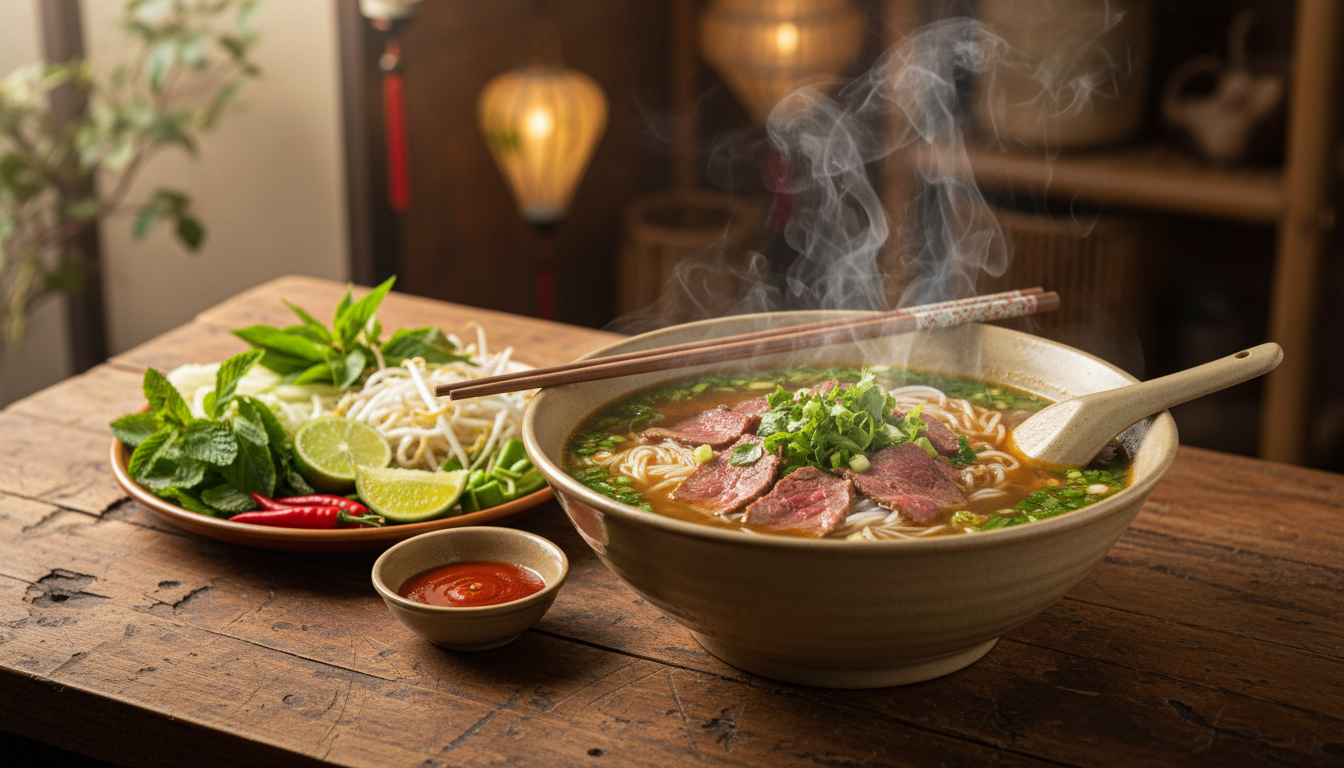
For many businesses, particularly SMEs or those in niche markets, a steady approach offers greater financial predictability and reduced risk. It allows for continuous optimization based on ongoing performance data, without the high stakes associated with a single, massive creative gamble. This method builds brand equity incrementally, much like a traditional Vietnamese pho stall builds its loyal customer base through consistent quality and a familiar, comforting experience.
The challenge lies in quantifying the intangible benefits of a "wow" campaign, such as enhanced brand perception and emotional loyalty, against the tangible, measurable conversions of a steady campaign. While the "wow" factor can create an immediate, powerful splash, the steady drip of consistent messaging can build an unshakeable foundation over the long term. The key is understanding that both have their place, depending on the brand's objectives, market position, and available resources.

Brand Awareness vs. Direct Conversion: Finding the Balance
The ultimate goal of any advertising campaign is to drive business results, but the path to those results can vary significantly. "Wow-factor" campaigns are often titans of brand awareness, capable of catapulting a brand into the public consciousness with breathtaking speed and impact. However, their prowess in driving immediate, measurable direct conversions can sometimes be less pronounced compared to more transactional alternatives.
When I recall the sheer spectacle of a major cultural festival, like Thailand's Loy Krathong, I'm struck by the immense collective experience it creates. It’s a "wow" moment that builds community, fosters a sense of shared identity, and elevates the cultural profile of the entire nation. Similarly, a well-executed "wow" advertising campaign aims for this kind of widespread recognition and emotional engagement, making the brand memorable and sparking conversations. For clients like Lotte Hotel Saigon, a visually stunning campaign showcasing their luxurious amenities doesn't just sell rooms; it elevates their image as a premier destination, creating aspirational brand awareness.
However, awareness alone does not always translate directly into sales. A consumer might be captivated by a viral video, share it with friends, and feel a strong positive emotion towards the brand, yet never make a purchase. This is where the alternative, direct conversion-focused campaigns, typically shine. These campaigns are meticulously designed with clear calls to action, immediate incentives, and streamlined purchasing pathways.
Think of an e-commerce advertisement for a specific product, complete with a discount code and a "Shop Now" button. Its primary objective isn't to create a cultural phenomenon, but to drive a direct transaction. While it might not generate the same level of buzz, its effectiveness in converting interest into sales can be remarkably high, offering a more immediate return on investment. This approach is often favored for brands like Vipep or Cơm Nhà Thoa, where the direct sale of their specific food products is paramount.
The challenge, therefore, lies in finding the sweet spot where the emotional resonance of a "wow" campaign can be strategically leveraged to encourage conversion. This often involves integrating clear, yet subtle, calls to action within the broader narrative, or following up a high-impact awareness campaign with targeted conversion-focused messaging. For instance, a viral video showcasing the delightful experience of dining at Quan Bui Restaurant could be followed by online ads offering a booking discount, effectively bridging awareness and action.
M&M Communications, with its emphasis on inspirational and magical storytelling that resonates deeply with customer insights, understands this balance implicitly. Their approach ensures that while the initial spark of "wow" captures hearts and minds, there is also a clear pathway for that emotional connection to translate into sustained engagement and ultimately, loyalty. It’s about not just showing people a beautiful dish, but making them feel the craving and providing an easy way to taste it.
When to Choose 'Wow' Over 'Steady'
Deciding between a "wow-factor" campaign and a steady, consistent approach is a strategic choice dictated by a brand's specific objectives, market position, and the nature of its product or service. There are distinct scenarios where the audacious impact of a "wow" campaign is not just desirable, but absolutely essential for achieving breakthrough success in Asia's competitive landscape.
One primary instance for choosing "wow" is during a major product launch or rebranding effort. When a brand needs to make an undeniable statement, to signal a significant shift, or to introduce something entirely new to a market already saturated with options, a "wow" campaign cuts through the noise like nothing else. Imagine the introduction of a revolutionary eco-friendly product by The Body Shop, requiring a campaign that not only educates but also deeply inspires consumers to embrace change.
Breaking through market clutter is another critical moment for the "wow" factor. In categories with numerous competitors, such as craft beer (e.g., Pasteur Street Craft Beer, Rooster Beer, Bundaberg Beer), standing out requires more than just good product; it demands a unique voice and an unforgettable presentation. A truly creative, viral campaign can elevate a brand from being one among many to a distinct, talked-about entity, creating a powerful point of differentiation.
Conversely, a "steady" approach is often the preferred strategy for maintaining market share, building long-term loyalty, or serving niche markets. Brands with an established presence, such as Gạo AAn or Đỉnh Gia, might prioritize consistent messaging around quality, reliability, and heritage, reinforcing their existing customer base without the need for constant, high-octane campaigns. This builds trust gradually, much like the enduring appeal of a historical landmark that doesn't need to reinvent itself, but rather consistently offers its timeless story.
For niche or specialized products, where the target audience is smaller and more defined, a "steady" campaign can be more cost-effective and efficient. It allows for precise targeting and personalized communication, fostering a deeper connection with a specific segment without the broader reach, and expense, of a mass "wow" campaign. This is often the case for a specialized academic institution like USSH HCM, where consistent messaging about educational excellence and unique programs resonates more than a fleeting viral trend.
My own experiences traveling through Asia often highlight this distinction. I've encountered countless small, family-run establishments – a hidden gem of a noodle shop in Hoi An, a bespoke tailor in Jakarta – that thrive on consistent quality, word-of-mouth, and steady patronage, rather than grand advertising. Their "marketing" is the unwavering excellence of their craft, a steady promise delivered day in and day out. This stands in contrast to the dynamic, attention-grabbing campaigns that major tourism boards might launch to attract global visitors to an entire region. Both are effective in their contexts. The choice, therefore, hinges on a clear understanding of the brand's current needs and long-term aspirations.
Sustainability of Creative Impact in Fast-Moving Markets
Asia's digital landscape is a whirlwind of innovation and rapid adoption, where trends emerge, peak, and fade with astonishing speed. What is "wow" today can quickly become commonplace tomorrow. This presents a significant challenge for campaigns designed to create a singular, explosive impact: how does one sustain the creative momentum and ensure lasting brand resonance in such a mercurial environment?
A "wow-factor" campaign, while brilliant in its initial flash, runs the risk of being a transient spectacle if not strategically managed. It's like witnessing an incredible fireworks display over Marina Bay Sands – breathtaking in the moment, but the memory, however vivid, requires subsequent experiences or narratives to remain potent. For brands, this means that the initial viral success needs to be part of a larger, ongoing dialogue with their audience.
To achieve sustainable creative impact, brands must think beyond the single campaign and embrace a continuous storytelling approach. This involves a series of interconnected narratives, evolving content, and active community engagement that keeps the initial "wow" alive and relevant. For example, a successful viral video from Meat & Livestock Australia showcasing the versatility of Aussie Beef could be followed by a series of interactive cooking challenges, influencer collaborations, or behind-the-scenes glimpses into sustainable farming practices.
The M&M Communications philosophy, which strives to make customers stick with you by feeling and creates lasting connections through inspirational and magical storytelling, directly addresses this need for sustainability. They understand that a truly impactful campaign isn't just about making people buy once; it's about fostering an enduring relationship built on shared values and continuous engagement. This involves not just launching a campaign, but nurturing its after-effects through consistent communication and evolving content that reflects consumer insights.
Alternatives to "wow-factor" campaigns, such as content marketing, loyalty programs, and consistent brand messaging, inherently offer a more sustainable, albeit slower, build of brand equity. These strategies focus on providing continuous value, fostering trust, and incrementally strengthening customer relationships. Think of a brand like Casa Living, which might consistently share interior design tips, sustainable living advice, and product showcases, building a loyal community over time.
However, the most effective approach often involves a strategic blend: initiating with a powerful "wow" moment to capture widespread attention, then seamlessly transitioning into a sustained content strategy that nurtures that initial interest. This hybrid model allows brands to leverage the explosive power of viral creativity while simultaneously building the deep, enduring connections that ensure long-term brand health. It's about ensuring that the initial spark ignites a flame that continues to burn brightly, adapting to the ever-changing winds of the Asian market.

Data-Driven Creativity: The Hybrid Approach
In the intricate dance between audacious creativity and strategic efficacy, the most compelling path forward in Asia's dynamic markets lies in a hybrid approach: data-driven creativity. This methodology marries the emotional power of a "wow-factor" campaign with the analytical rigor of consumer insights, ensuring that every creative endeavor is not only inspiring but also deeply resonant and strategically sound.
My experiences studying diverse cultures have consistently shown me that while human emotions are universal, their expressions and triggers are profoundly shaped by local contexts. Data provides the lens through which we can understand these nuances, transforming raw observations into actionable insights. For instance, knowing that a specific demographic in Vietnam values family traditions (data) allows for the creation of a "wow" campaign that beautifully weaves in themes of intergenerational connection, evoking powerful emotions.
M&M Communications explicitly champions this approach, spending "a lot of time understanding our clients as well as their competitors and their customers to create effective solutions that resonate with their customers' needs." This commitment to deep insight is the bedrock of data-driven creativity. It means that a "wow" campaign isn't just a shot in the dark; it's a precisely aimed arrow, guided by comprehensive research into consumer behaviors, preferences, and cultural sensitivities.
The integration of data begins at the strategic planning phase, informing creative ideation and guiding asset production. For a campaign targeting tourists to Ly Son - Ky Bi Dao Nui Lua, data might reveal that potential visitors are most interested in adventure activities and unique geological formations, rather than just relaxation. This insight would then shape a "wow" campaign that features breathtaking drone footage of volcanic landscapes and thrilling water sports, creating a truly unforgettable visual narrative.
Furthermore, data plays a crucial role in the post-launch phase, allowing for real-time monitoring and optimization. Even the most stunning "wow" campaign can be refined based on performance metrics, audience engagement, and conversion rates. This iterative process ensures that the initial creative impact is maximized and continually adapted to maintain relevance and effectiveness. For a production service client like CafeShow Vietnam, understanding which segments of their audience engage most with event highlights versus educational content allows for future campaign refinement.
The alternative to data-driven creativity often results in campaigns that are either creatively brilliant but miss the mark strategically, or are strategically sound but lack the imaginative spark to truly captivate. The hybrid approach, however, seeks to combine the best of both worlds. It means crafting stories that are not just magical and inspiring, but also meticulously informed by the unspoken desires and expressed needs of the target audience. It’s about creating "wonder" – one of M&M’s core benefits – that is both emotionally captivating and measurably impactful.
This strategic fusion allows brands to develop campaigns that not only achieve initial virality but also foster deep, lasting connections, transcending fleeting trends. It ensures that the creative output, whether it's a TVC for Ariel Furniture or a documentary for The National Program One Commune One Product (OCOP), truly resonates and creates an experience that goes beyond mere consumption.
Conclusion
The pursuit of a "wow-factor" advertising campaign in Asia is a compelling and often rewarding endeavor, capable of generating extraordinary brand awareness and forging deep emotional connections. However, as we have explored, its effectiveness is not absolute; it must be weighed against the consistent, steady alternatives and strategically applied within the unique context of Asia's fast-moving and culturally rich markets.
From the vibrant street food culture that demands immediate sensory delight to the ancient traditions that speak of enduring legacy, Asia teaches us that impact comes in many forms. A "wow" campaign, much like a spectacular festival, can ignite widespread excitement and conversation, creating an unforgettable moment in time. Yet, the sustained growth and loyalty of a brand often rely on the consistent, trustworthy presence that a steady campaign provides, much like a beloved local eatery that never falters in its quality.
The true mastery lies in understanding when to unleash the full creative force of a "wow" campaign – for groundbreaking launches or to cut through immense clutter – and when to rely on the steady hand of consistent messaging to build enduring trust. Crucially, the future of impactful advertising in Asia rests on a hybrid model: data-driven creativity. This approach ensures that every inspirational story, every magical visual, is not only captivating but also deeply informed by audience insights, leading to campaigns that resonate profoundly and deliver measurable results.
Agencies like M&M Communications exemplify this nuanced understanding, prioritizing lasting connections and magical storytelling that are rooted in deep customer insights. By integrating strategic planning, creative ideation, and precise execution, they enable brands to not only achieve that initial "wow" but to transform it into an enduring relationship. In a continent where every brand vies for a piece of the spotlight, it is this thoughtful, insight-led approach that truly sets a brand apart, ensuring that its story is not just heard, but deeply felt and remembered.