In an era where consumers are constantly bombarded by thousands of pieces of content every day, simply filming product close-ups or listing features is no longer convincing enough. An effective product video today needs to do more than that: capture attention, convey the brand message, and evoke emotions to drive purchasing action.
That is why many brands are shifting from a "product filming" mindset to a "producing a miniature TVC" mindset. Even if it only lasts 15 to 60 seconds, the video is invested in like a professional advertisement with a clear concept, script, imagery, and cinematic language.
Product videos are more than just product introductions
Many businesses often think that a product video only needs to clearly show the design, color, or utility to be sufficient. However, today's viewers do not buy a product just because they understand it, but because they feel a connection to it.
Try comparing:
A video that only shows a perfume bottle rotating 360 degrees.
A video that tells a story about the lifestyle, emotions, and personality that the perfume bottle represents.
The second video usually creates a stronger impression because it does not sell a product, but sells an experience and an emotion.
That is precisely the core mindset of a TVC – turning the product into the main character of a story rather than just an object displayed before the lens.
What is a "mini" TVC?
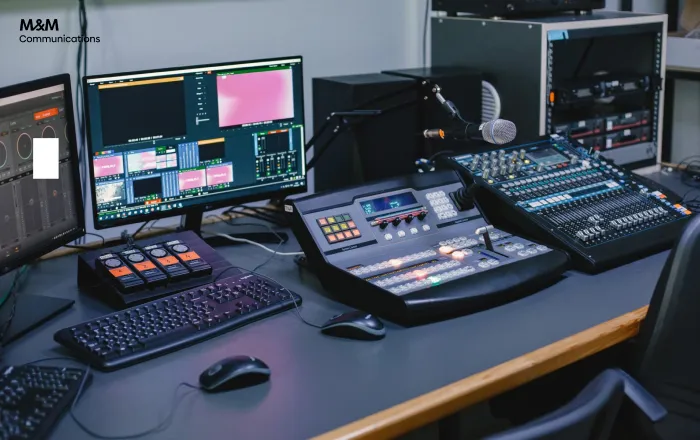
TVC (Television Commercial) is known as a form of television advertising with a short duration but is meticulously invested in terms of ideas and visuals.
Nowadays, with the strong growth of digital platforms, TVCs are no longer limited to television but appear on Facebook, TikTok, Instagram, YouTube, or corporate websites.
A mini TVC typically features:
A clear message.
A creative concept.
A tight script.
Cinematic visuals.
An engaging editing pace.
Ending with a call to action or brand recall.
Despite the short duration, the video is still built with a storytelling mindset and a specific communication strategy.
How does the TVC mindset make product videos stand out?
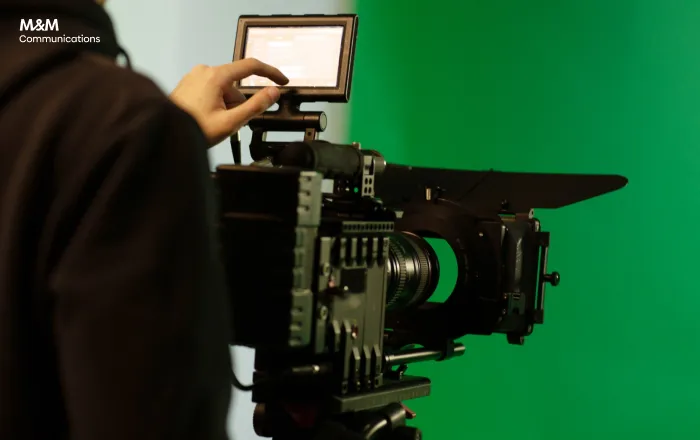
1. Starting from insight instead of the product
Many videos only focus on what the product has.
Meanwhile, a TVC usually starts with the question:
"What problem does this product solve for the customer?"
Example:
A cup of coffee is not merely a drink.
It can be:
Energy for a new day.
A moment of relaxation during work hours.
Creative inspiration.
A bond connecting friends.
When the right insight is exploited, the video will more easily touch the viewers' emotions.
2. Build a concept instead of filming spontaneously
An effective TVC always has a clear concept.
A concept is the consistent idea that helps unify all elements from setting, color, camera angles to music.
Example:
Cosmetics: "Radiant skin from confidence."
Beverages: "Awaken positive energy."
Jewelry: "The mark of success."
With a strong concept, the video will have its own identity instead of being like hundreds of other pieces of content on the market.
3. Create emotion through visuals
One of the biggest differences of a TVC is the ability to tell a story through visuals.
Without needing too much dialogue, viewers can still feel the message through:
Lighting.
Color.
Camera movement.
Character expressions.
Editing pace.
That is why product videos with invested cinematography often feel much more high-end and professional.
Elements that create a product video with a TVC spirit

Thematic script
A professional video does not start by picking up a camera and recording.
It starts with these questions:
What does the brand want to say?
Who is the target customer?
What should the viewer remember after watching the video?
From there, the crew develops an appropriate script to convey the message most effectively.
Polished visuals
In a TVC, every frame is carefully calculated.
From composition, props, lighting to camera movement, everything contributes to elevating the product's value.
Especially for industries such as:
Cosmetics.
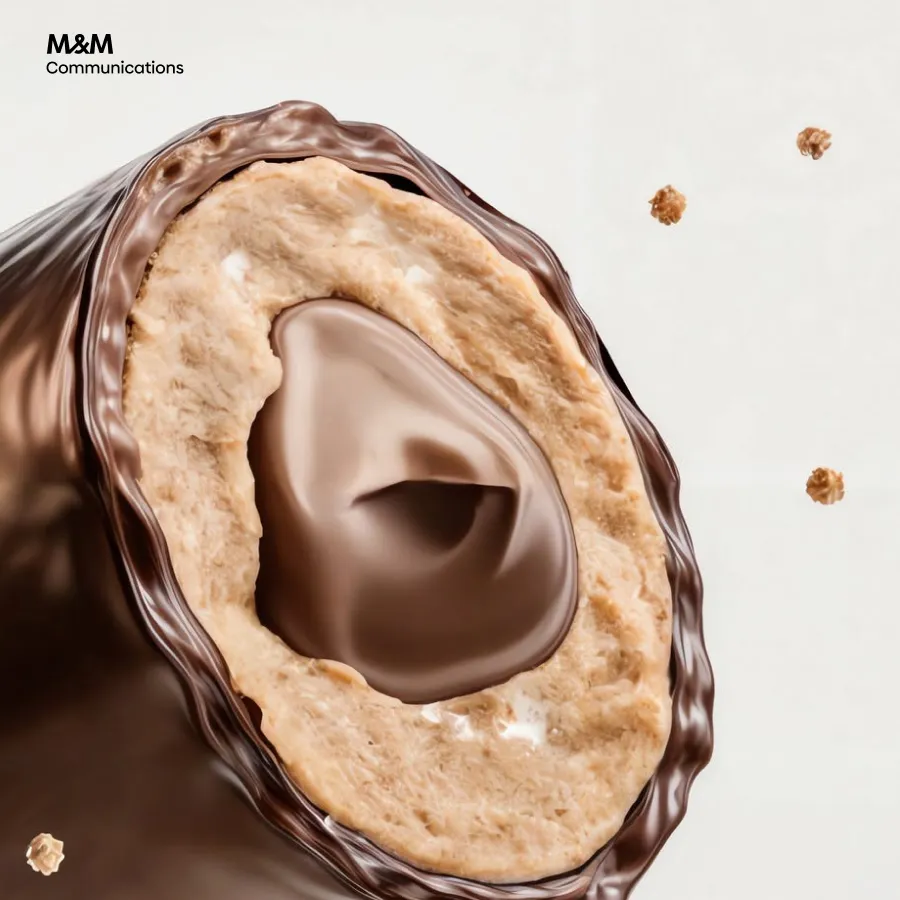
Food.
Beverages.
Jewelry.
Fashion.
Beautiful imagery not only creates a positive impression but also directly influences the purchasing decision.
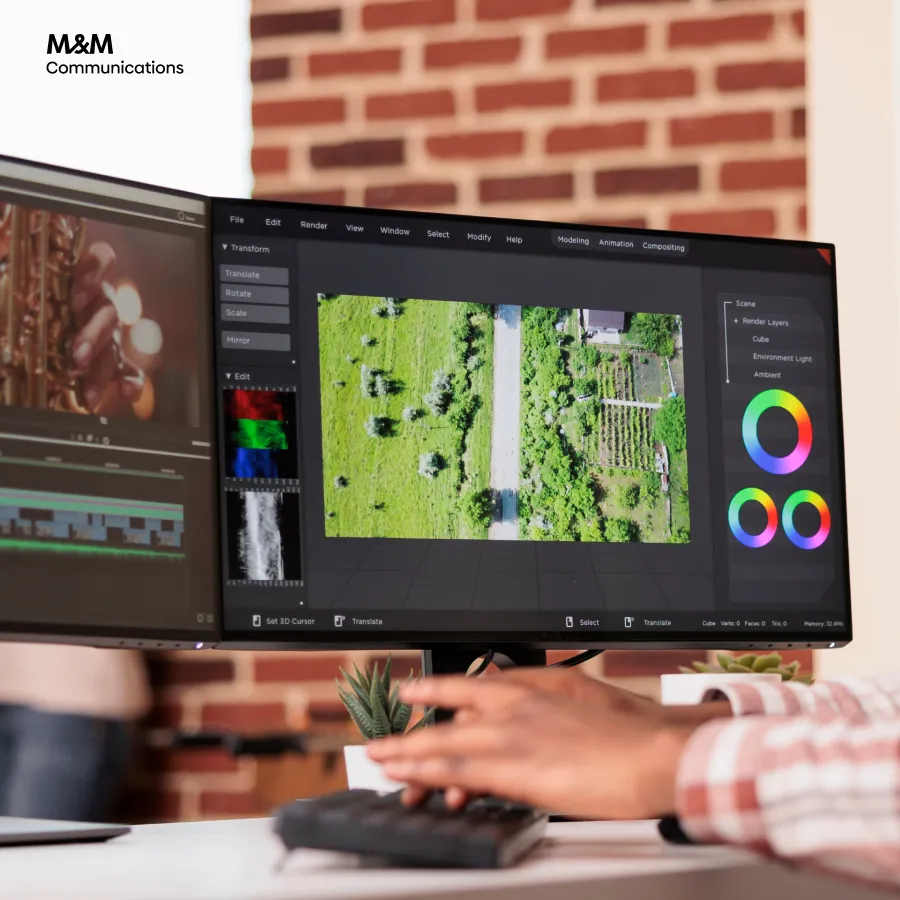
Sound and post-production
Music, sound design, and motion effects play a crucial role in creating emotion.
A scene of pouring coffee or unboxing a product becomes much more attractive when combined with the right sounds.
This is an often underrated element, yet it determines the perceived quality for the viewer.
When should a brand invest in product videos with a TVC approach?
The TVC mindset is particularly suitable when a business is:
Launching a new product.
Building a brand image.
Running Facebook or TikTok ads.
Implementing a large-scale communication campaign.
Needing content that stands out in a competitive market.
It is not necessary to invest budgets of hundreds of millions of dong like television commercials. Today, many brands can fully own high-quality videos with reasonable costs while still maintaining a creative and professional spirit.
M&M Communications – Turning product videos into brand-building tools
At M&M Communications, we believe that a product video's task is not only to introduce features but also to convey brand values and create emotion for the viewer.
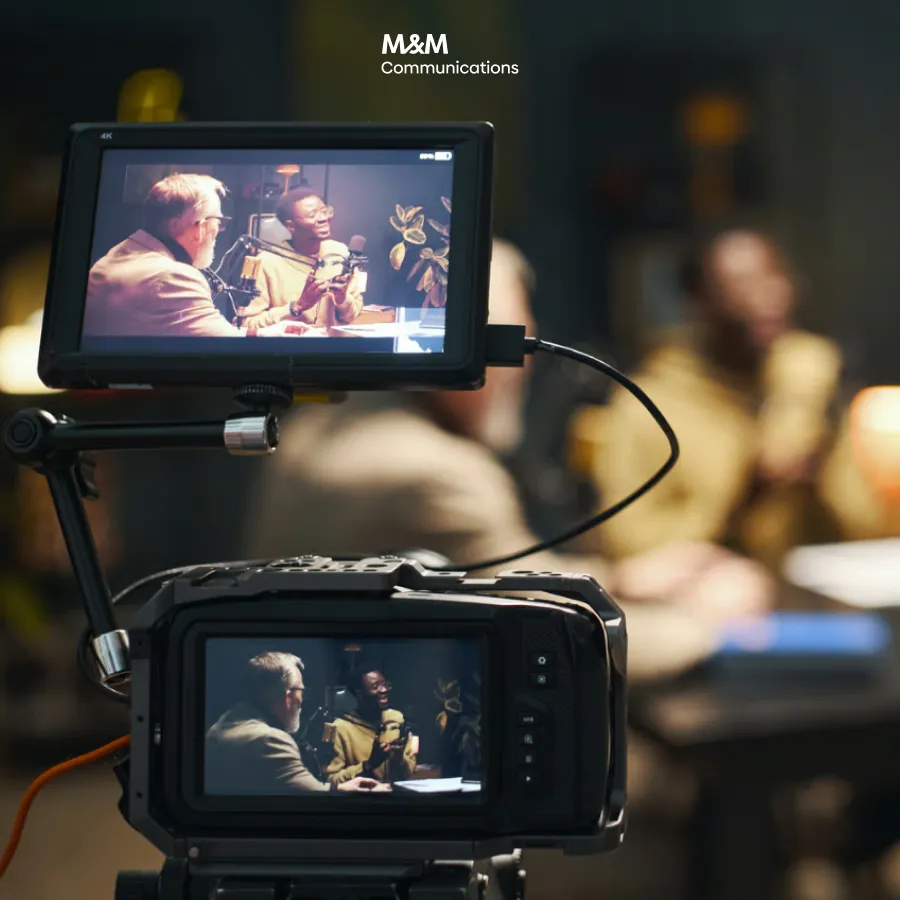
With an experienced team of creatives, screenwriters, and producers, M&M accompanies businesses from concept development, scriptwriting, and visual production to final post-production.
Each project is approached with a "mini-TVC" mindset – where every frame serves the communication and business goals of the brand.
Because in a competitive market, what makes a customer remember is not how long the product appears on screen, but the brand emotion left behind after the video ends.
>>> >TVC Video Production: A Professional A-Z Process for Vietnamese Brands>