As an explorer of cultures, a seeker of flavors, and a chronicler of history, I’ve often found that the most profound experiences are not just seen but felt. They are stories that wrap around you, engaging every sense and leaving an indelible mark. This philosophy, I believe, perfectly encapsulates the future of video production. We are moving beyond mere persuasion to an era where video crafts inspirational, magical experiences that resonate deeply, fostering lasting connections.
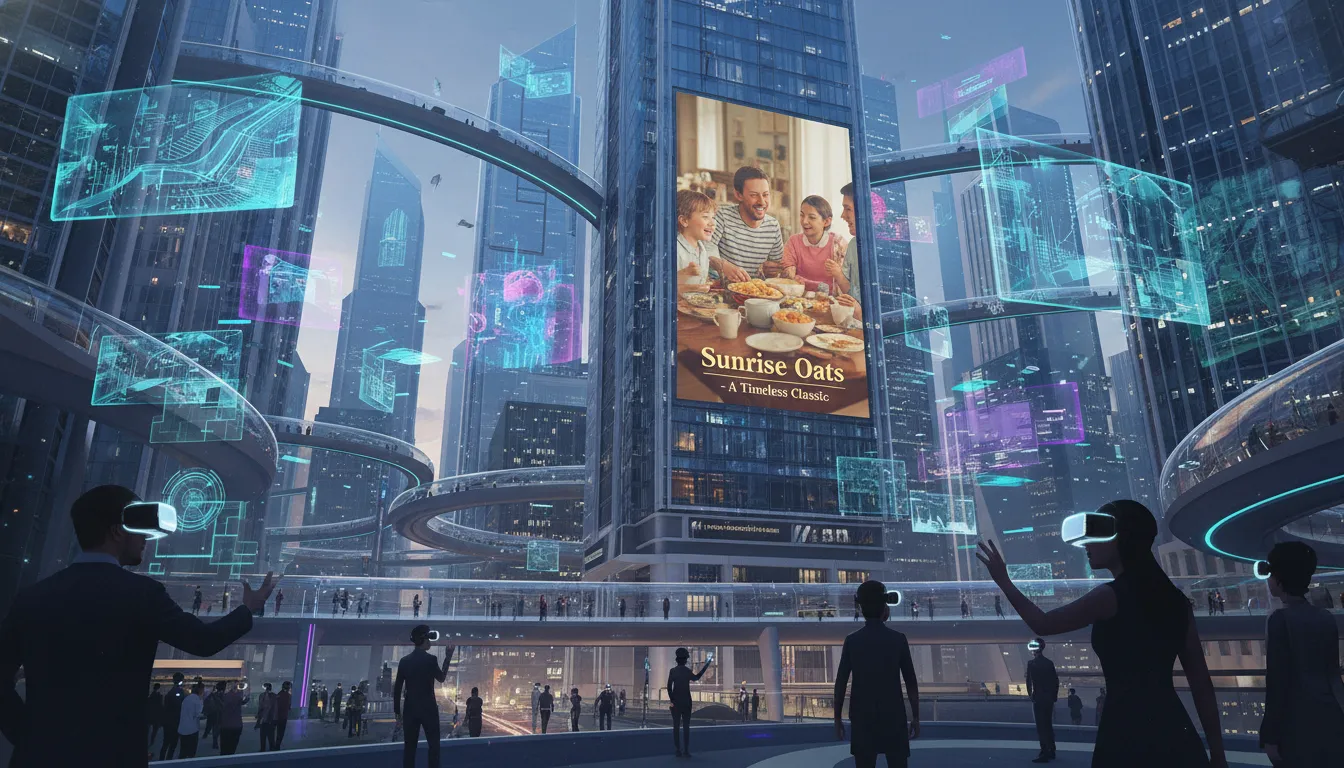
The year 2026 stands as a pivotal moment in this evolution, where technological advancements like AI, augmented reality (AR), virtual reality (VR), and volumetric capture have converged to redefine how brands communicate. It’s a time when the cold efficiency of algorithms is harnessed to amplify the warmth of human connection. The future isn't just about what you show, but about the experience you create, making people not just buy, but stick with you by feeling.
The Shifting Sands of Engagement: Why 2026 is Different
My journeys across bustling markets in Southeast Asia or ancient ruins in Europe have taught me that true engagement comes from immersion, from being an active participant rather than a passive observer. This fundamental human desire for participation is now the driving force behind the next generation of video content. Brands are no longer shouting into the void; they are orchestrating symphonies of sensory delight.
The video landscape in 2026 is less about broadcasting and more about bespoke interaction, less about a singular narrative and more about a tapestry woven by the audience themselves. It is a strategic move, aligning perfectly with the ethos of M&M Communications, which champions inspirational storytelling over mere sales pitches. This shift is not just a trend; it's a fundamental re-evaluation of how we connect in a hyper-digital world.
Case Study: Nike's Hyper-Personalized AI Ads
Imagine walking through a vibrant marketplace, perhaps in Saigon or Bangkok, and a vendor instantly knows your preferences, your favorite colors, your perfect fit, even before you articulate them. This level of intuitive understanding, once the hallmark of expert human interaction, is now being replicated and scaled by artificial intelligence in the realm of video advertising. Nike, a pioneer in athletic innovation, is leading this charge with its hyper-personalized AI-driven ad campaigns in 2026.
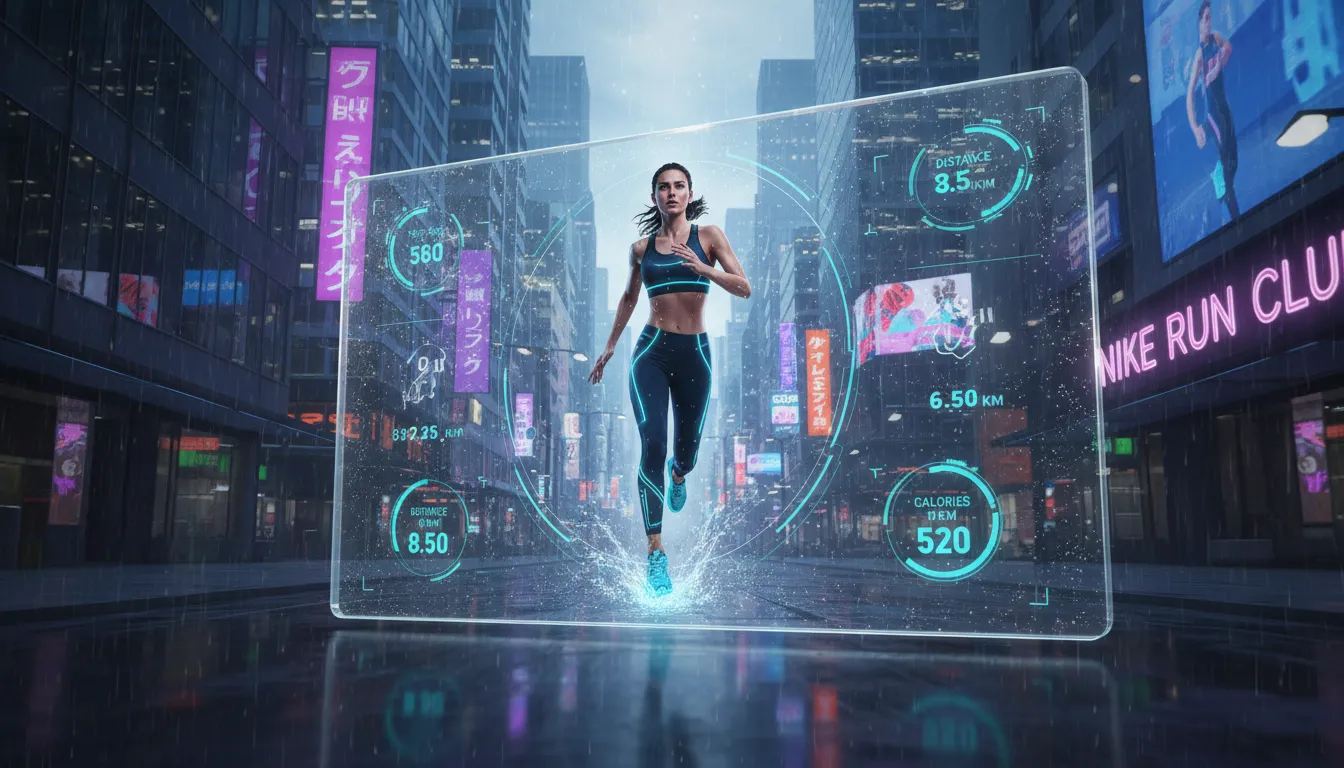
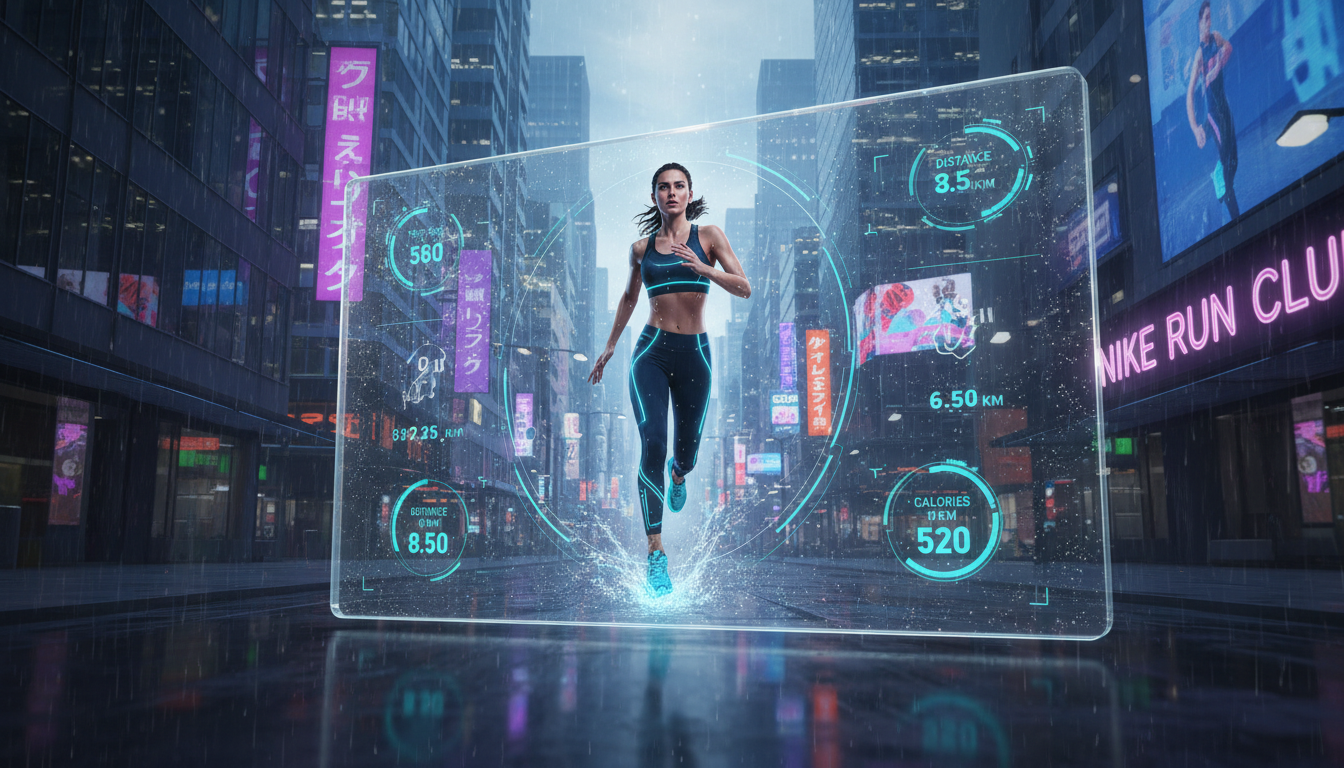
These aren't just ads; they are bespoke cinematic experiences tailored to each individual viewer. Nike harnesses vast amounts of user data, including workout routines, preferred sports, past purchases, geographic location, local weather patterns, and even social media sentiment. This data feeds an advanced AI engine capable of generating unique video narratives in real-time. The result is an advertisement that feels less like marketing and more like a personal training session or a motivational message crafted just for you.
For instance, a runner training for a marathon in a rainy city like Seattle might see an AI-generated ad featuring an avatar resembling themselves, running through a digitally recreated Seattle streetscape in Nike’s latest waterproof gear. The avatar's pace and form could even subtly reflect the user’s own running data, creating an uncanny sense of recognition and motivation. This level of personalization transcends traditional advertising by offering a genuinely relevant and emotionally resonant experience. It’s the brand anticipating your needs, much like a seasoned travel guide knows exactly what local eatery will satisfy your unique palate.
The production behind these ads is a marvel of technological integration. It involves sophisticated generative AI models that can create photorealistic environments, character models, and even bespoke voiceovers. Volumetric capture technologies are used to create highly detailed digital twins of real athletes and products, which can then be manipulated and placed within any AI-generated scene. This ensures product accuracy while allowing for infinite creative permutations.
Furthermore, these ads are dynamic, adapting not just to individual preferences but also to real-time events. If a user's local team wins a championship, their Nike ad might feature celebratory imagery and messaging related to that victory, instantly tapping into a shared cultural moment. This real-time adaptability makes the content feel incredibly current and relevant, fostering a strong, immediate connection. It highlights M&M Communications' core belief: emphasizing experiences when choosing a brand, creating content that truly resonates and sets clients apart.
Interactive Fashion Shows: The 2026 Meta-Runway
My fascination with cultural festivals, from the vibrant colors of Diwali in India to the intricate costumes of traditional Vietnamese opera, stems from their ability to transport and immerse participants. These events are not just spectacles; they are living, breathing narratives that invite interaction and personal interpretation. This spirit of immersive participation is now redefining the world of fashion, particularly with the advent of the "Meta-Runway" in 2026.
Fashion shows have long been exclusive events, a carefully curated spectacle presented to a select few. The Meta-Runway shatters these traditional barriers, inviting a global audience into an interactive, personalized virtual experience. Brands like Chanel, Gucci, and even more accessible labels, are leveraging metaverse platforms, augmented reality (AR), and virtual reality (VR) to create shows where the audience isn't just watching; they're actively participating.
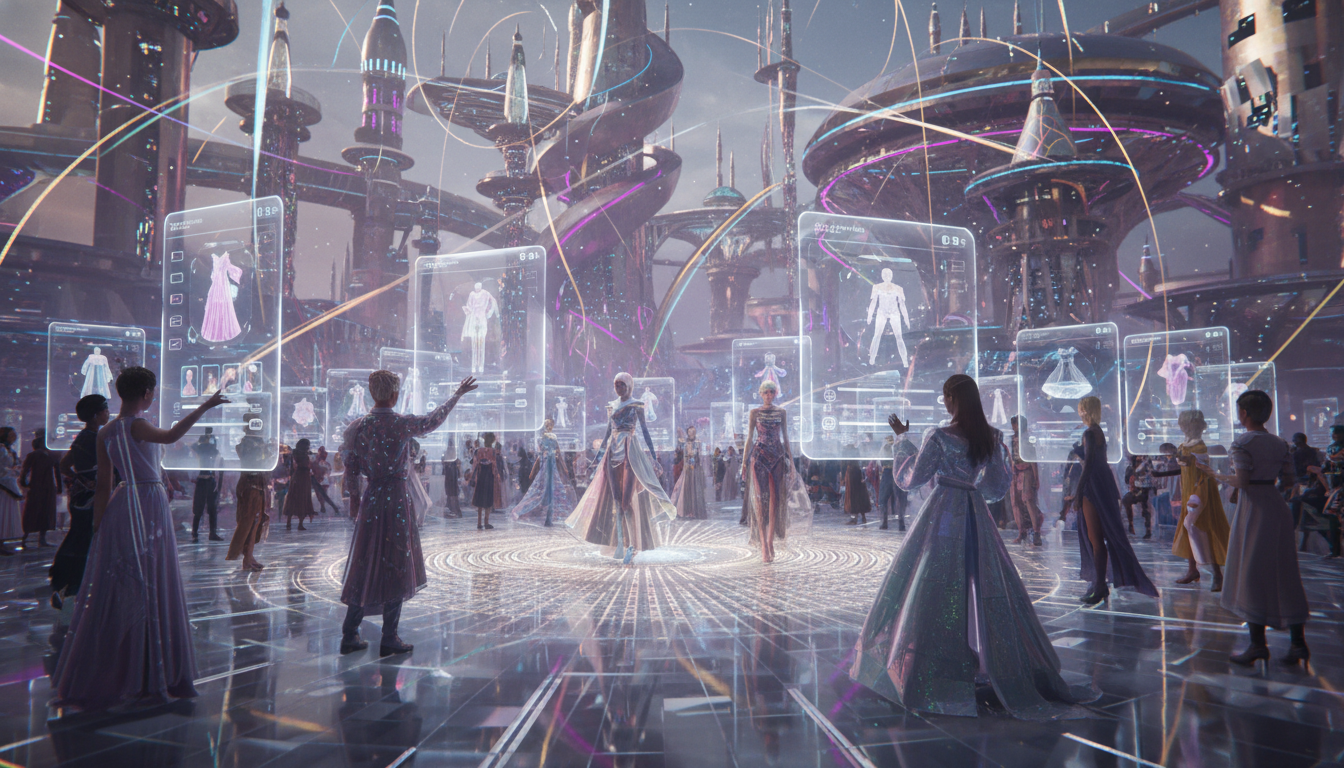
Imagine attending a fashion show from your living room, wearing a VR headset. You're not merely viewing a flat screen; you're inside the show. You can walk alongside the models as they strut down a digitally rendered runway that might be floating in space, deep underwater, or set against the backdrop of an ancient Roman amphitheater. The environment itself is part of the storytelling, changing dynamically to reflect the collection's theme.
What makes these Meta-Runways truly revolutionary is their interactivity. As a virtual attendee, you can "virtually try on" garments in real-time, seeing how they look on a personalized avatar that mirrors your own body shape and skin tone. You can instantly change fabric textures, colors, or accessories, experimenting with different styles before making a purchase. This eliminates the guesswork of online shopping and turns browsing into an engaging, playful experience.
Furthermore, audience interaction extends to the creative process itself. During certain segments of a show, viewers might be able to vote on design elements, color palettes, or even the music, directly influencing the live presentation. This co-creation aspect fosters an unparalleled sense of ownership and connection with the brand. It transforms passive consumption into active engagement, much like a collaborative cooking class where every participant contributes to the final dish.
The production of a Meta-Runway is incredibly complex, requiring seamless integration of game engine technology, real-time 3D rendering, motion capture for realistic avatar movement, and sophisticated AR/VR development. Digital fashion designers create hyper-realistic clothing assets that react to virtual physics, ensuring drapes and textures are indistinguishable from their physical counterparts. This blend of artistry and technology creates a truly magical experience, making you wonder at the possibilities, a core benefit M&M Communications strives to deliver.
The social aspect is also paramount. You can attend these shows with friends, interacting with each other's avatars, discussing outfits, and even forming virtual communities around shared fashion interests. This creates a sense of belonging and shared excitement, extending the brand's reach far beyond individual transactions. It's about building a tribe, a community that feels deeply connected to the brand's narrative and aesthetic.
B2B Success: Using Virtual Sets for Corporate Keynotes
My travels have often taken me to places where history and innovation intertwine, like the ancient city of Kyoto, where traditional wooden temples stand beside ultra-modern skyscrapers. This juxtaposition highlights the power of setting and context to enhance any message. In the B2B world of 2026, this understanding of environment as a storytelling tool has been revolutionized by virtual sets for corporate keynotes and presentations. No longer confined to sterile conference rooms, business leaders are now leveraging advanced virtual production techniques to deliver impactful, globally resonant messages.
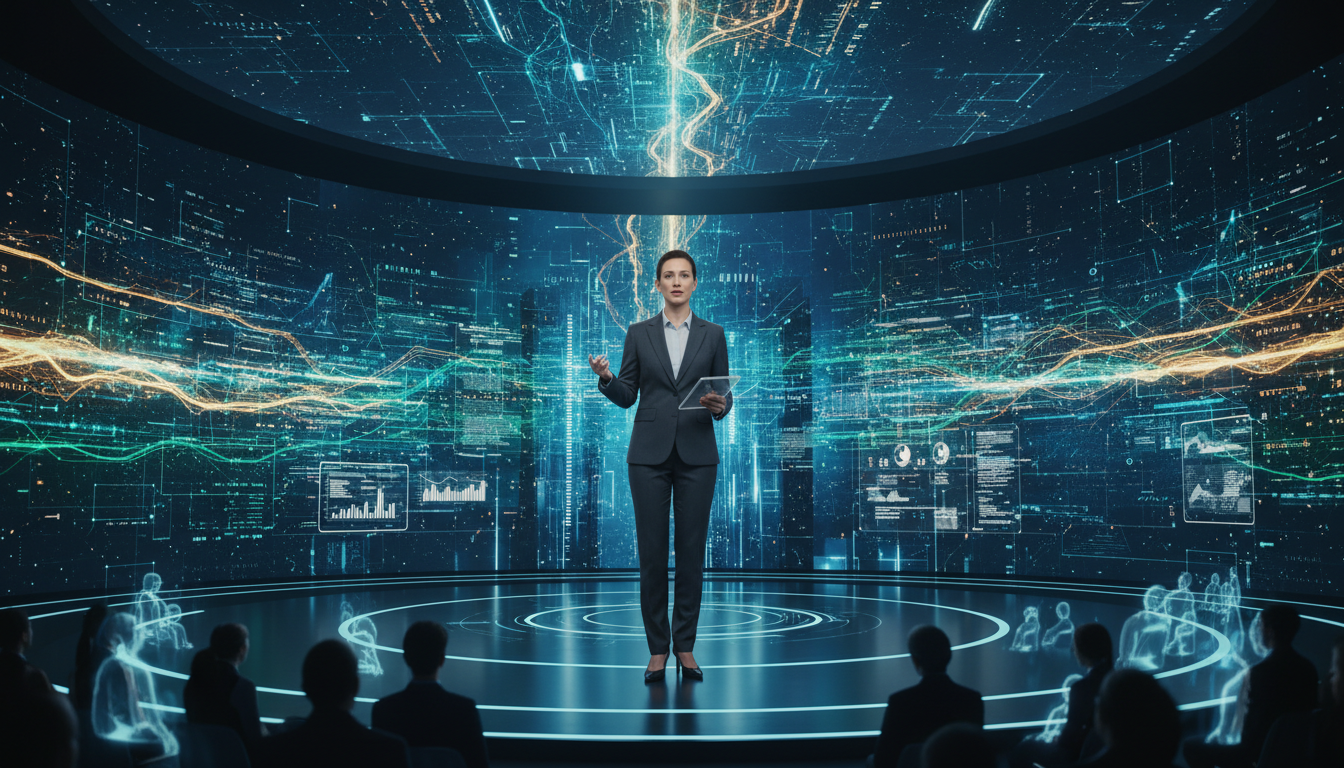
Gone are the days of static PowerPoint presentations against a generic backdrop. In 2026, a CEO can deliver a keynote address from the heart of a dynamically rendered futuristic city, where data flows visibly around them, illustrating complex concepts with unparalleled clarity. Or, they might present from a virtual recreation of a significant historical site, lending gravitas and a sense of legacy to their message, much like an immersive documentary transports its audience through time.
This technology utilizes massive LED video walls and real-time rendering engines, similar to those used in blockbuster film production. A speaker stands on a physical stage, but the entire environment around them is a seamless, interactive digital creation. As the speaker moves, the virtual camera tracks their position, ensuring the perspective of the virtual set remains perfectly aligned, creating an incredibly convincing illusion for the remote audience. This eliminates the need for expensive and time-consuming physical set builds, offering immense flexibility and cost optimization, a key benefit M&M Communications offers.
For example, a technology company launching a new AI chip might have their CEO presenting from inside a virtual representation of the chip's architecture, allowing them to "walk through" the intricate pathways and highlight specific features with interactive holographic overlays. A global logistics firm could illustrate their supply chain efficiency by showing their CEO standing on a virtual map of the world, with real-time data visualizations of shipments flowing across continents.
The power of virtual sets extends beyond mere aesthetics; it enhances comprehension and engagement. Complex data can be transformed into compelling visual narratives, making abstract concepts tangible and memorable. This is crucial for B2B communications, where conveying intricate information clearly and persuasively is paramount. It's about simplifying complex ideas while delivering immense value, another commitment from M&M Communications.
Furthermore, virtual sets enable global collaboration and consistency. A single virtual environment can be used by multiple speakers from different locations, ensuring a cohesive brand image and message, regardless of physical distance. This is particularly valuable for international corporations or events like "Taste of Australia" (a type of client M&M works with), where showcasing diverse products or initiatives requires a unified, high-quality presentation platform. The ability to create a consistent, high-impact visual identity across all communications helps businesses stand out in a crowded market and leave a lasting impression.
Analyzing Viral Trends: What Made These 2026 Videos Work
The art of virality, much like the secret to a beloved street food recipe, lies in understanding the core human desires it taps into. It’s not just about flashy effects; it’s about resonance, relatability, and often, a touch of unexpected magic. As a writer who delves into the heart of cultures and histories, I've observed that the stories that endure are those that evoke genuine emotion or offer a novel perspective. In 2026, the viral videos that captivated millions were masterclasses in leveraging advanced video production to achieve precisely this.
Let's dissect a few hypothetical viral sensations from 2026, understanding their formula for success:
1. "Echoes of Eternity": The Volumetric History Series
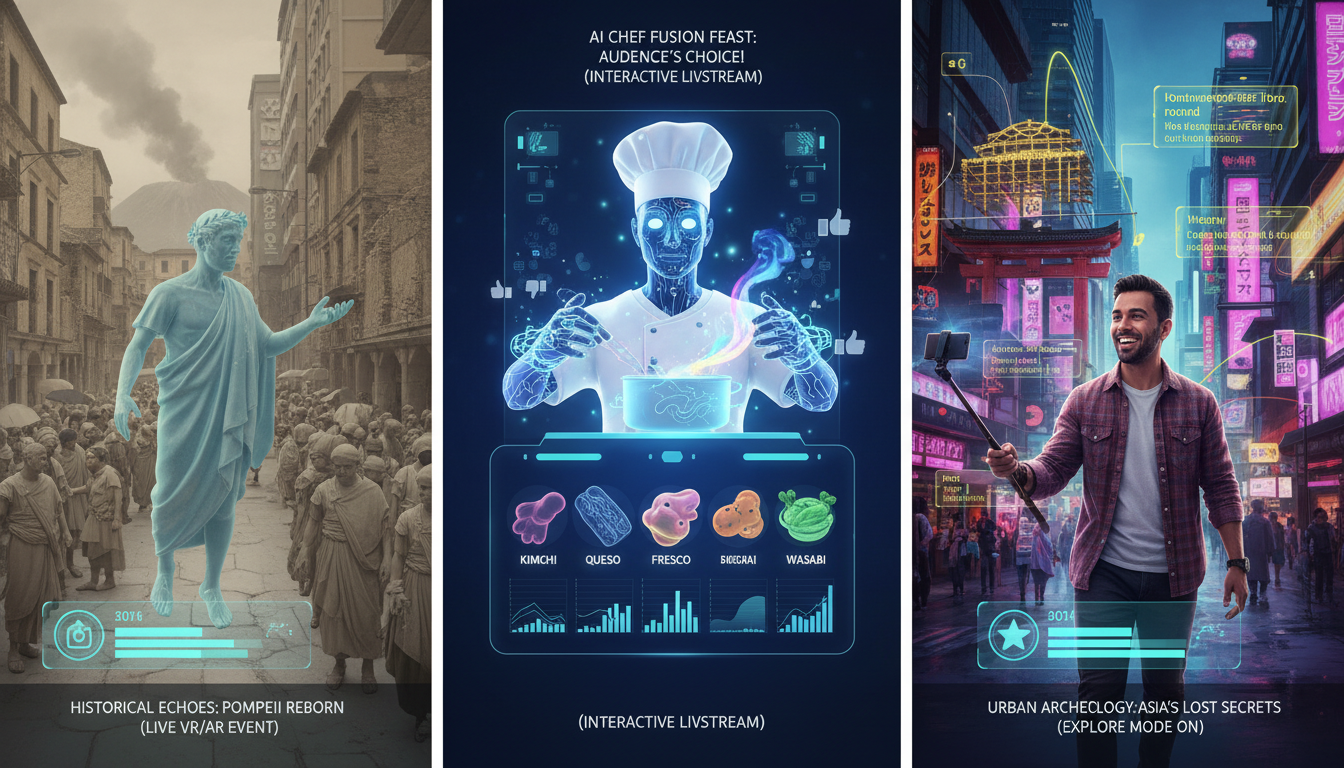
Imagine a series of short-form videos that use volumetric capture to recreate pivotal historical moments, allowing viewers to "step into" the past. One particular episode, "The Last Whisper of Pompeii," went viral. It wasn't just a reenactment; it was an interactive experience. Viewers could use their AR glasses to walk through a digitally reconstructed Pompeii, witnessing the eruption in slow motion, hearing the sounds, and even interacting with AI-generated avatars of citizens going about their daily lives. The video's virality stemmed from its unparalleled ability to foster empathy and provide an immersive, educational experience that felt incredibly personal. It connected viewers to history in a way textbooks never could, making them feel the tragedy and the humanity.
- Why it worked: Deep emotional resonance, educational value, unprecedented immersion through AR/volumetric capture, and the ability to personalize the historical journey. It offered a profound experience of history, rather than just a recounting.
2. "Flavor Fusion AI": The Interactive Cooking Challenge
This viral series on a popular short-video platform featured an AI chef hosting an interactive cooking show. Viewers, in real-time, could vote on ingredients, cooking methods, or even cultural twists for a dish. One episode where the AI chef had to fuse Vietnamese pho with Italian pasta, based on live audience votes, garnered millions of views. The AI dynamically adjusted the recipe, visually demonstrating the culinary process with stunning motion graphics and real-time ingredient transformations. The sheer novelty, combined with the audience's direct influence, made it irresistibly engaging. It was a shared, playful culinary adventure, mirroring the joy of discovering a new dish in a bustling Ho Chi Minh City eatery.
- Why it worked: Audience participation, novelty of AI interaction, real-time dynamic content generation, and the universal appeal of food and culinary experimentation. It transformed passive viewing into a collaborative, unpredictable, and delightful experience.
3. "Hidden Gems Unveiled": The AR Travel Vlog
This series took traditional travel vlogging to a new level. The vlogger explored iconic cities, but with an AR overlay that revealed historical facts, local legends, and hidden architectural details in real-time. For example, while walking through the streets of Rome, an AR animation would show how a modern building once stood as part of an ancient temple, complete with ghost-like volumetric projections of historical figures. A specific episode exploring the hidden alleys of Hanoi, revealing forgotten artisan workshops through AR, exploded online. It offered a richer, more layered understanding of a destination, much like an expert local guide sharing secrets only they know.
- Why it worked: Enhanced discovery, educational entertainment, seamless integration of AR into real-world footage, and a deeper connection to the cultural and historical narrative of a place. It made travel feel more profound and mysterious.
The common thread weaving through these viral successes is their ability to transcend traditional content consumption. They didn't just tell stories; they invited viewers to live them, to feel them, and to participate in their creation. This aligns perfectly with M&M Communications' philosophy: inspiring magical stories that emphasize experiences and create lasting connections. The best videos of 2026 didn't just go viral; they created communities and transformed passive audiences into active co-creators of meaning.
The Human Heart of Future Production: Beyond the Algorithm
As we look towards 2026 and beyond, it’s clear that the future of video production, while technologically advanced, remains deeply rooted in human connection. The tools may evolve dramatically, from generative AI to immersive realities, but the fundamental goal remains the same: to tell stories that move people, inspire wonder, and build lasting bonds. This is the essence of M&M Communications’ mission.
My experiences, whether sharing a meal with a family in the Mekong Delta or witnessing a traditional ceremony in the highlands, have always reinforced the power of shared moments and authentic narratives. The State of Video Production in 2026 is simply giving us more sophisticated ways to create and share these moments, making them more accessible, more personal, and more impactful than ever before.
The brands that will thrive are those that understand that technology is merely an enabler for deeper emotional engagement. They are the ones who, like a master storyteller, use every tool at their disposal to craft narratives that resonate with the heart. This isn't just about selling; it's about belonging, about experiencing, and about forming connections that go beyond the transactional. As M&M Communications champions, it’s about making people stick with you by feeling, creating wonder in every effort, and ultimately, simplifying life through integrated, magical storytelling. The future of video production is not just smart; it's soulful.