The global marketplace of 2025 is a vibrant, intricate tapestry, where consumer attention is a prized commodity. Brands are constantly striving to create campaigns that don't just sell, but resonate – leaving an indelible mark on the hearts and minds of their audience. This pursuit of the "wow-factor" is not merely about spectacle; it's about crafting experiences that transform transactions into lasting relationships.
In this dynamic landscape, a fascinating comparison emerges: the deeply rooted, emotionally driven approach of Italian luxury branding versus the diverse, often technologically forward strategies prevalent across broader Europe. As an expert who has traversed the cobbled streets of Rome, tasted the rich history in Tuscan vineyards, and witnessed the cutting-edge innovation in European tech hubs, I've observed firsthand how different cultures imbue their brands with distinct identities. This article delves into what makes these approaches unique and how they stack up in the quest for a truly impactful "wow-factor branding campaign in 2025 comparison."
Heritage vs. Innovation: The Italian Dilemma
Italy, a nation steeped in millennia of art, culture, and craftsmanship, presents a unique challenge and opportunity for its brands. Here, heritage is not just a marketing slogan; it's the very fabric of identity, shaping everything from the design of a handbag to the recipe for a classic dish. The "Made in Italy" label signifies more than just origin; it promises a legacy of quality, passion, and unparalleled artistry.
For Italian luxury branding, the dilemma lies in balancing this revered past with the demands of a rapidly evolving future. How do you honor centuries of tradition while embracing digital transformation and new consumer behaviors? This isn't a simple pivot but a delicate dance, where innovation must serve to amplify, rather than dilute, the brand's core essence.
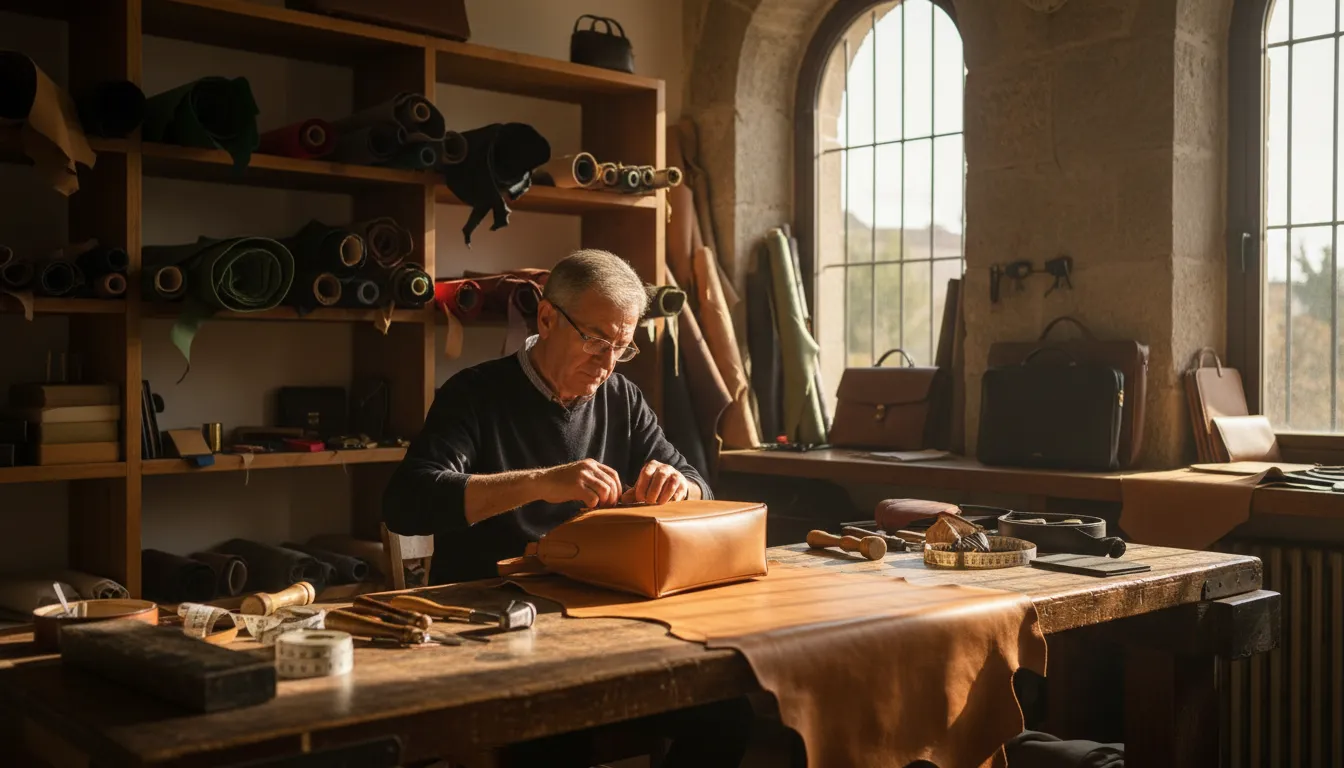
From the workshops of Florentine leather artisans to the kitchens preserving regional culinary secrets, I've seen how deeply these traditions are ingrained. Brands like Bottega Veneta continue to champion traditional weaving techniques, yet their digital presence is sleek, modern, and globally accessible. Similarly, small family-run pasta makers, while using age-old methods, now leverage social media to reach an international gourmet audience. This is "heritage branding 2025" in action: not a static preservation, but a living, breathing evolution.
The true "wow-factor" here comes from authenticity. When a brand can tell a story of generations of expertise, of materials sourced with integrity, and of a product crafted with soul, it creates an emotional resonance that transcends fleeting trends. It's about feeling the history in your hands, tasting the tradition on your palate, and experiencing the passion behind every stitch.

Comparison: Ferrari's Digital Metaverse vs. Traditional Racing Events
When discussing "Italian luxury branding" and the quest for a "wow-factor branding campaign in 2025 comparison," Ferrari stands as a quintessential example. This iconic brand, synonymous with speed, elegance, and unparalleled engineering, beautifully illustrates the tension and synergy between heritage and innovation. My own experiences, from witnessing the sheer roar of a Ferrari engine at a live Grand Prix to exploring their museum in Maranello, confirm the visceral impact of this brand.
Traditionally, Ferrari's branding has revolved around the thrill of motorsport, exclusive owner events, and the aspirational lifestyle associated with owning one of their magnificent machines. The sound of a Ferrari on the track, the sight of its iconic Rosso Corsa paintwork, and the tangible history of its racing triumphs have been the pillars of its emotional appeal. These are physical, sensory experiences that create deep, lasting impressions, building a loyal community of enthusiasts who truly feel the brand.
However, Ferrari recognizes that the "wow-factor" in 2025 demands more than just traditional avenues. They are strategically venturing into the digital realm, embracing cutting-edge technologies like the metaverse and esports. This move isn't about abandoning their roots but extending their emotional storytelling into new, immersive dimensions. As referenced on their official site, Ferrari's involvement in esports and digital branding (Ferrari Official - Esports and Branding) allows them to engage a younger, digitally native audience who may not yet be able to afford a supercar, but who can still experience the thrill of the Prancing Horse.
In the metaverse, Ferrari can create virtual garages, exclusive digital collectibles (NFTs), and immersive brand experiences that transcend geographical boundaries. Imagine a virtual test drive of a new model, or attending a digital F1 race where you interact with other fans from around the globe. This strategy allows them to capture the imagination of a new generation, fostering early emotional connections that could mature into lifelong loyalty.
Comparing this to a hypothetical traditional European luxury brand, which might solely focus on exclusive physical events or classic advertising, Ferrari's approach offers a multifaceted "wow-factor." While the traditional brand may appeal to its existing clientele, Ferrari actively cultivates future enthusiasts by providing accessible, engaging digital touchpoints. This blend of physical legacy and digital frontier ensures that Ferrari's brand mystique remains relevant and aspirational for a diverse, global audience in 2025 and beyond. It's a testament to how even the most heritage-rich brands can innovate without losing their soul.

How Italian Fashion Brands Outperform in Emotional Storytelling
Stepping into the world of Italian fashion is like entering a grand opera, where every garment tells a dramatic, passionate story. From the haute couture houses of Milan to the artisanal workshops nestled in Florence, Italian fashion brands have mastered the art of emotional storytelling, setting a benchmark for "Italian luxury branding" globally. My experiences observing runway shows and visiting flagship stores reveal that these brands don't just sell clothes; they sell dreams, identity, and a profound connection to a rich cultural narrative.
Unlike some European counterparts that might emphasize minimalist design or purely functional innovation, Italian fashion prioritates narrative depth. Brands like Gucci, with its opulent, eclectic aesthetic, weave tales of historical periods, artistic movements, and bold self-expression into every collection. Versace, on the other hand, exudes a powerful, confident glamour, telling stories of strength, sensuality, and unapologetic luxury. These narratives are not merely marketing ploys; they are deeply embedded in the brand's DNA, influencing design, campaigns, and customer experience.
The "wow-factor" here is rooted in the ability to evoke strong feelings. A customer doesn't just buy a Prada bag; they buy into an intellectual, sophisticated sensibility. They don a Dolce & Gabbana dress and feel a connection to Sicilian romance and craftsmanship. This is where M&M Communications' philosophy deeply resonates: "making people buy your products - it’s so great, but if they stick with you by feeling - it goes beyond." Italian fashion brands inherently understand this. They craft "inspirational and magical stories" that emphasize their customers' experiences when choosing them, creating an emotional bond that goes far beyond fleeting trends.
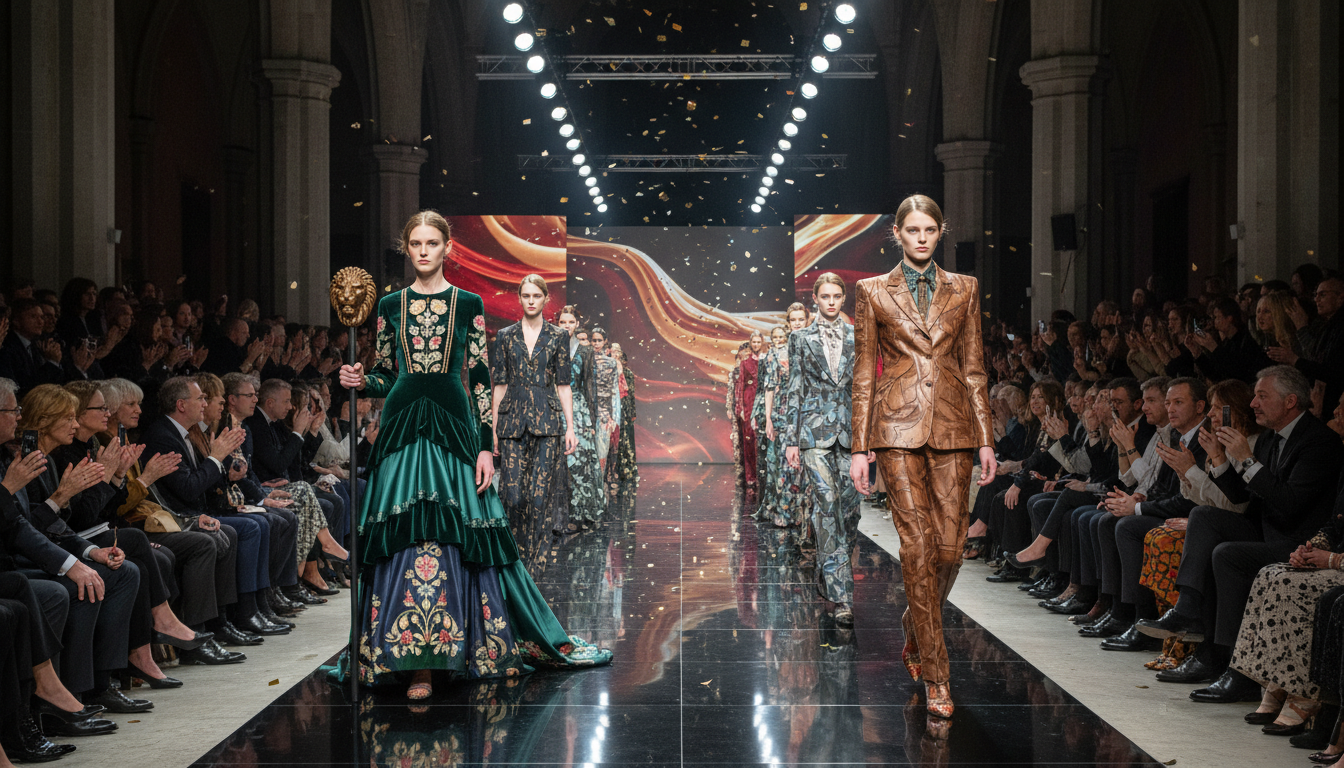
They achieve this through meticulously curated campaigns that often resemble cinematic productions, through runway shows that are theatrical spectacles, and through the very concept of "Made in Italy." This label is a story in itself – a narrative of unparalleled craftsmanship, premium materials, and a heritage of sartorial excellence. When I've spoken with artisans in Italy, their passion for their craft is palpable, and this human element, this dedication to beauty and quality, becomes part of the brand's emotional appeal.
This profound connection means customers don't just consume; they belong. They become part of a story, a legacy, and a community. This mastery of emotional storytelling is a significant differentiator in the "wow-factor branding campaign in 2025 comparison," proving that heartfelt narratives can be more powerful than pure innovation alone. It allows "heritage branding 2025" to thrive, transforming history into a compelling vision for the future.
The Broader European Landscape: Innovation, Sustainability, and Diverse Narratives
While Italy shines with its heritage-rich, emotionally resonant branding, the broader European Union offers a fascinating contrast in its pursuit of the "wow-factor" in 2025. The EU is a mosaic of diverse cultures, each contributing unique perspectives to branding. Here, innovation often takes center stage, driven by technological advancements, a strong emphasis on sustainability, and a more varied approach to storytelling.
German brands, for instance, often leverage a reputation for precision engineering and efficiency. Brands like Mercedes-Benz or Siemens create a "wow-factor" through cutting-edge technology, reliability, and a focus on future-forward solutions. Their campaigns often highlight performance, innovation, and a commitment to quality that speaks to a global audience. The narrative here is less about centuries of artisan craft and more about scientific progress and engineered perfection.
French luxury, while also steeped in heritage, often presents a different facet of emotional appeal. Brands like Chanel or Dior embody an effortless chic, a sophisticated elegance that is globally aspirational. Their storytelling often revolves around timeless beauty, Parisian allure, and a certain je ne sais quoi that is both exclusive and universally admired. It's a refinement of aesthetic and lifestyle, often presented with an artistic flair that is distinct from Italy's more flamboyant passion.
Scandinavian brands, on the other hand, frequently differentiate themselves through minimalism, functionality, and a deep commitment to sustainability. Companies like IKEA or Volvo create a "wow-factor" through their design philosophy, ethical production, and a strong sense of social responsibility. Their campaigns often highlight environmental consciousness, practicality, and a harmonious lifestyle, resonating with consumers who prioritize purpose and understated elegance. This reflects a different kind of "heritage branding 2025," one focused on responsible innovation and a forward-looking societal impact.
These diverse European approaches contribute significantly to the "wow-factor branding campaign in 2025 comparison." While Italian brands excel in evoking deep emotional connections through their rich history and craftsmanship, many EU brands find their "wow" in technological prowess, sustainable practices, or a distinct, refined aesthetic. The strength of the EU's branding landscape lies in its variety, offering different pathways to captivate and engage audiences.
The Power of Experiential Marketing in 2025
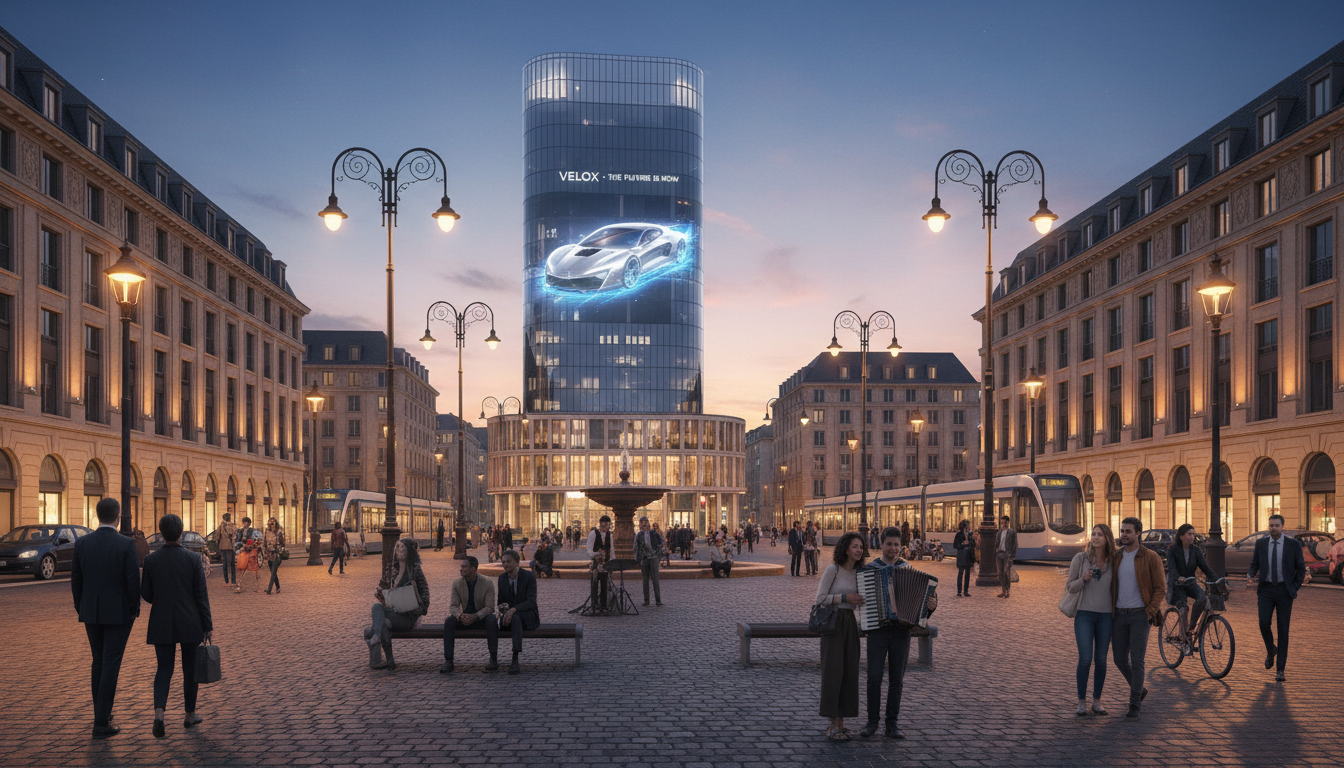
For any brand aiming for a "wow-factor branding campaign in 2025 comparison," experiential marketing has become paramount. It's no longer enough to simply show a product; brands must immerse consumers in their world, allowing them to feel the brand's essence firsthand. This aligns perfectly with M&M Communications' emphasis on creating solutions that resonate with customers' needs and help clients create lasting connections through inspirational storytelling.
Italian luxury branding inherently lends itself to rich experiential opportunities. Imagine a culinary tour of Bologna hosted by a high-end Italian food brand, or a fashion house offering exclusive workshops on traditional embroidery in Florence. These experiences leverage Italy's cultural wealth, transforming consumption into a memorable journey. They create personal narratives for the customer, making them feel like a cherished part of the brand's story. This is where "heritage branding 2025" truly shines, turning history into interactive discovery.
Across the broader EU, experiential marketing also thrives, though often with a different flavor. Tech companies might create interactive showrooms where customers can test futuristic gadgets, or automotive brands might offer immersive virtual reality driving simulations. Sustainability-focused brands might host workshops on circular economy principles or offer tours of their eco-friendly production facilities. These experiences are designed to educate, engage, and inspire, often emphasizing innovation and social responsibility.
The "wow-factor" in experiential marketing comes from surprise, delight, and genuine connection. It's about transcending the transactional to build an emotional bond. Whether it's the sensory overload of an Italian food festival sponsored by a major brand, or an immersive art installation by a French perfume house, these moments are designed to be shareable, memorable, and deeply personal. They create the kind of lasting impression that M&M Communications champions, ensuring customers "stick with you by feeling."
Crafting Lasting Connections: Lessons for a Wow-factor Branding Campaign in 2025
As we navigate the complexities of "wow-factor branding campaign in 2025 comparison," the insights gleaned from Italy's approach versus the broader EU are invaluable. Italy teaches us the enduring power of deep heritage, authentic craftsmanship, and emotional storytelling. Its luxury brands demonstrate that while innovation is crucial, it must serve to amplify, not overshadow, a brand's soul. The "Made in Italy" ethos, infused with passion and history, creates connections that transcend logic and appeal directly to the heart. This is the essence of "Italian luxury branding" and how "heritage branding 2025" continues to captivate.
Conversely, the diverse strategies across the European Union highlight the importance of adaptability, technological agility, and a range of compelling narratives. From German engineering precision to Scandinavian sustainable design, EU brands showcase how different cultural values can be leveraged to create distinct and impactful "wow-factors." They remind us that innovation isn't just about preserving the past; it's also about boldly shaping the future, often with a global and responsible outlook.
The ultimate "wow-factor" in 2025 will likely lie in a sophisticated blend of these strengths. It means embracing digital frontiers like the metaverse and esports, as Ferrari does, but without losing the authentic, human, and emotional core that Italian brands so masterfully cultivate. It means using technology to enhance experiential storytelling, making it more accessible, immersive, and personalized. For brands seeking to achieve this, M&M Communications' commitment to understanding clients, their competitors, and their customers is paramount. We believe in creating effective solutions that resonate deeply, crafting "inspirational and magical stories" that transcend mere persuasion to build truly lasting connections.
In a world saturated with information, the brands that stand out in 2025 will be those that make us feel. They will be the ones that tell stories so compelling, offer experiences so immersive, and foster connections so genuine, that they go "beyond" simple transactions. They will be the brands that make us wonder, inspire us, and ultimately, become an integral, cherished part of our own life stories.
[Back to Pillar Guide: The Ultimate Guide to a Wow-factor Branding Campaign in 2025]