As an avid traveler, a dedicated epicurean, and someone deeply engrossed in the tapestry of global cultures and histories, I’ve witnessed firsthand the profound impact of compelling stories. From the quiet majesty of ancient temples in Vietnam to the vibrant chaos of a Moroccan spice market, every experience is a narrative waiting to be told. In the realm of marketing and communications, this fundamental truth remains: stories move people. They don't just sell products; they forge lasting connections, echoing the very ethos of M&M Communications.
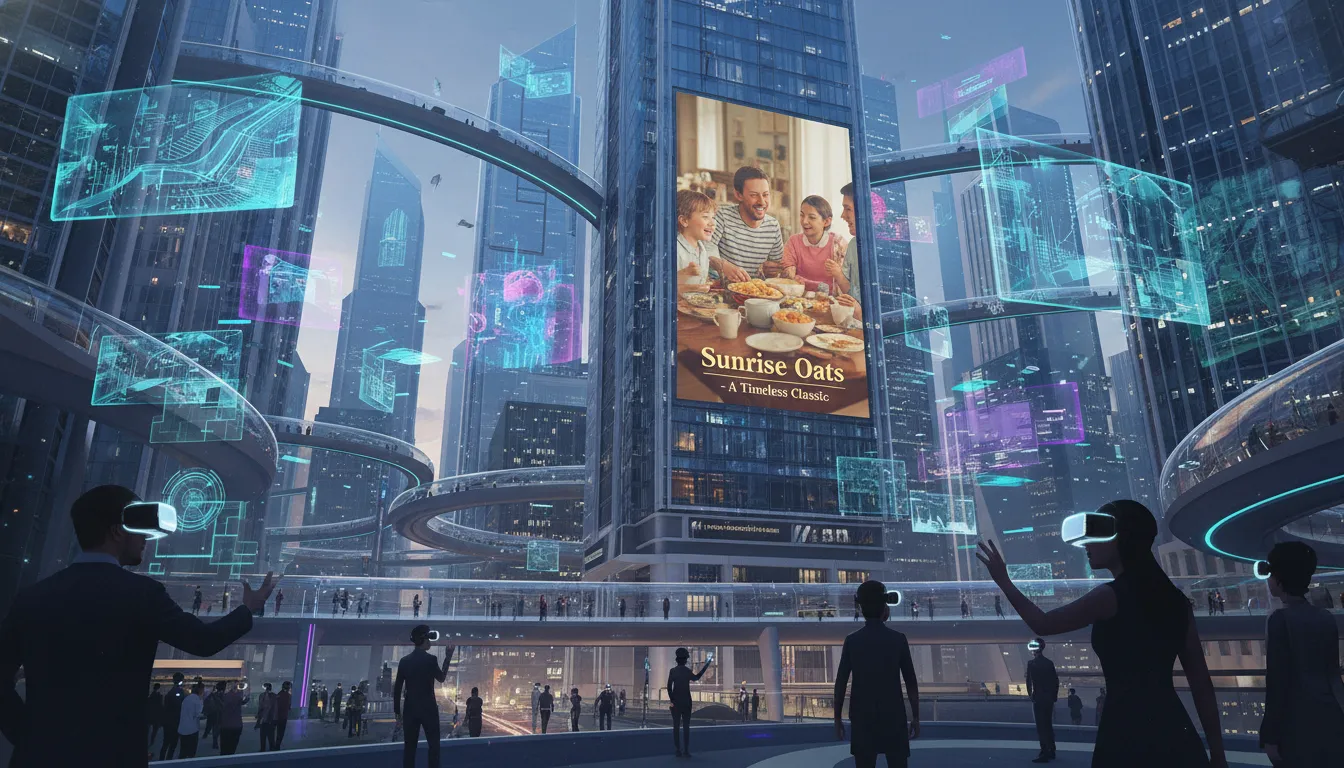
The year 2026 stands as a pivotal moment in this narrative landscape, particularly within video production. We are at the precipice of a technological revolution, where Artificial Intelligence (AI) is no longer a futuristic concept but a tangible, transformative force. This article delves into the critical comparison between human-led video production and AI-driven alternatives, exploring their strengths, limitations, and the emerging hybrid models that will define the industry, always seen through the lens of crafting unforgettable experiences.
The question isn't whether AI will replace human creativity entirely, but rather how these two powerful forces will collaborate or compete to tell the most effective and resonant stories. We will dissect the "State of Video Production in 2026 comparison" by examining cost efficiency, the elusive creative soul, and the benchmark of speed, ultimately highlighting how M&M Communications’ approach to "The State of Video Production in 2026 vs alternatives" prioritizes emotional connection above all.
Cost Efficiency: AI vs. Traditional Crews
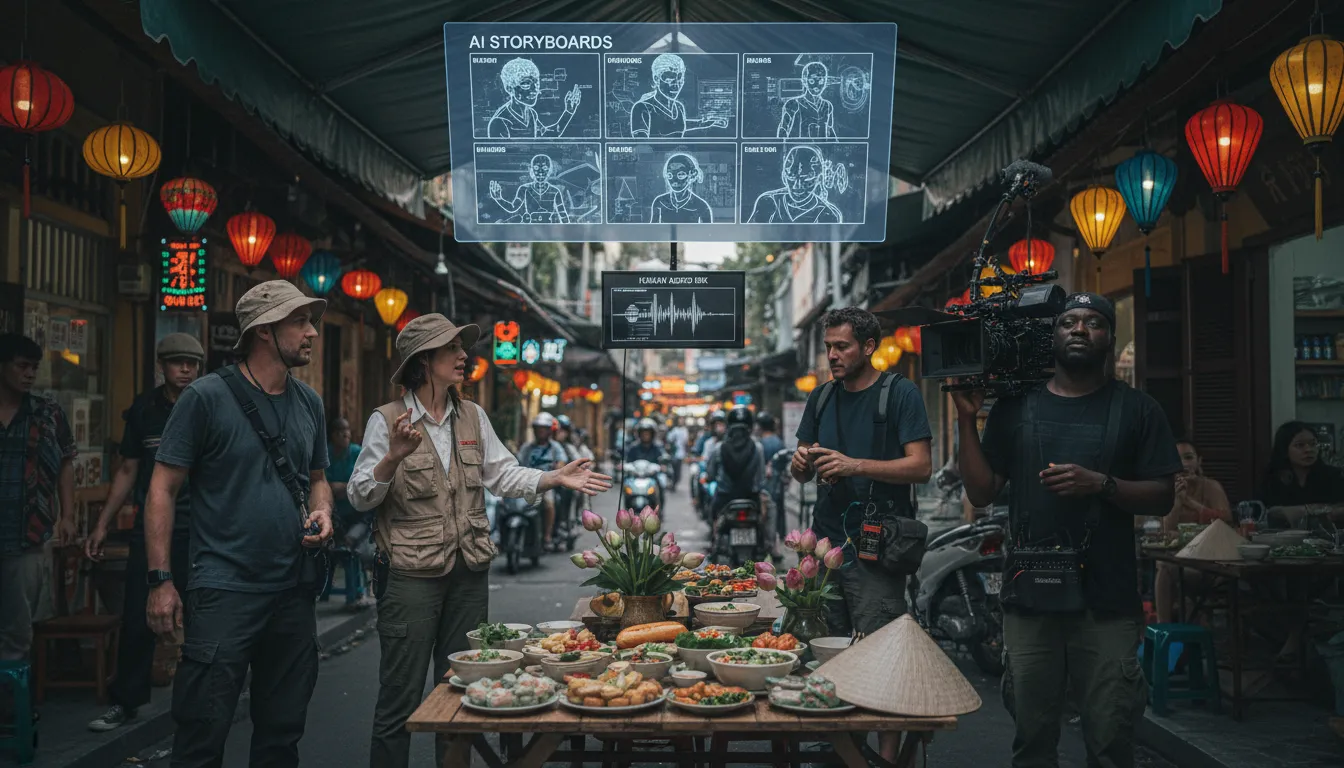
The allure of AI in video production often begins with its promise of significant cost reduction. AI tools can automate numerous tasks, from generating initial scripts and storyboards to creating basic animations, voiceovers, and even generating entire video clips from text prompts. For quick, transactional content, or for businesses with extremely tight budgets, this can seem like an undeniable advantage.
Imagine a small e-commerce brand wanting to churn out dozens of short product explainers for a new line of goods, perhaps like Vinchoco or Vipep. AI could rapidly produce these, iterating on different styles and voice tones at a fraction of the cost of hiring a full human crew. This efficiency allows for rapid experimentation and a high volume of content, which is particularly attractive for agile digital marketing strategies.
However, the perceived cost savings of AI often mask hidden trade-offs, especially when it comes to quality and brand resonance. While AI can generate visuals, it struggles with the nuanced decision-making and artistic judgment that a seasoned human director or cinematographer brings. I recall once trying to capture the intricate process of making traditional Vietnamese bánh xèo with a basic camera setup; the results were passable, but they utterly lacked the warmth, the aroma, and the cultural context a professional crew would have conveyed.
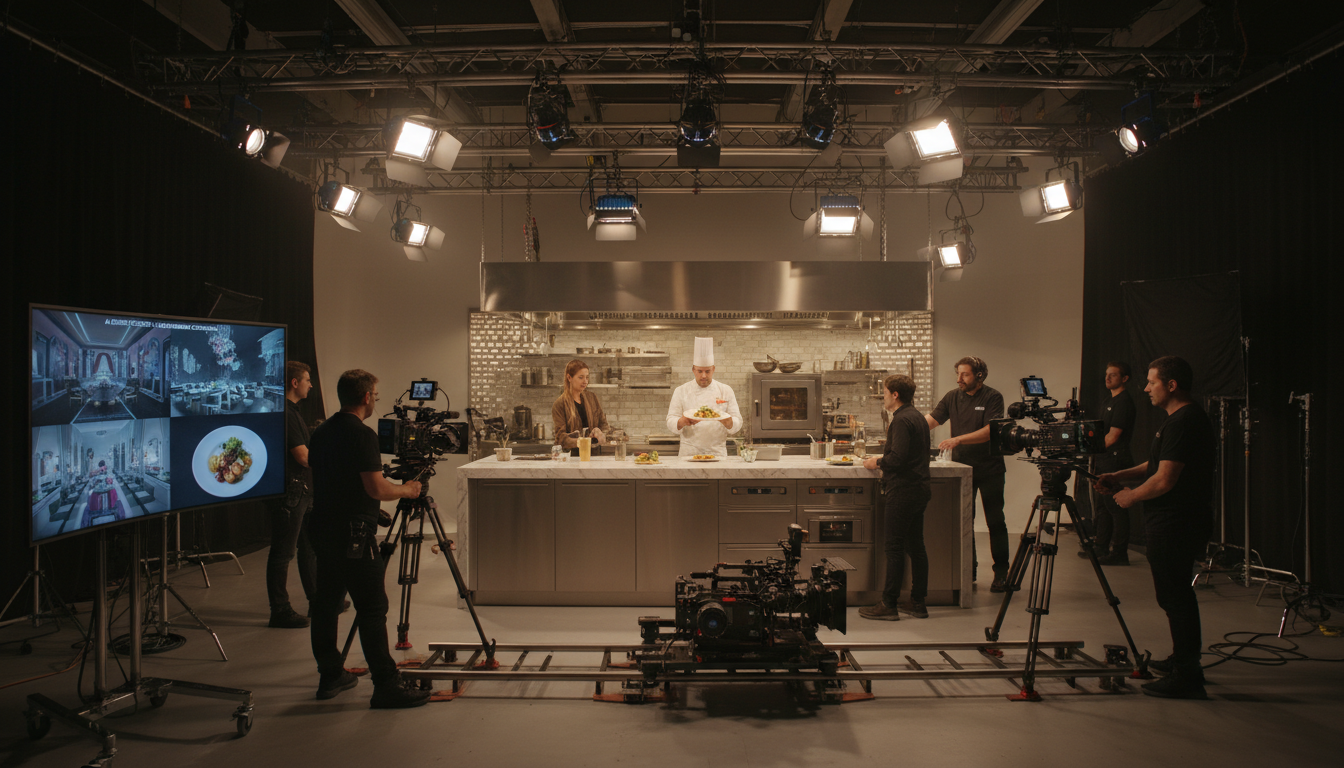
Traditional crews, like those assembled by M&M Communications, represent an investment in expertise and artistry. A team of skilled professionals—director, cinematographer, sound engineer, editor—brings years of experience to interpret a brand's vision, troubleshoot on set, and capture genuine emotion. Their ability to adapt to unforeseen circumstances, like changing weather during an outdoor shoot for Ly Son - Ky Bi Dao Nui Lua, or capturing the perfect candid moment at an event, adds immeasurable value.
This human touch ensures that every frame, every sound, and every edit contributes to a cohesive, high-quality narrative that truly reflects the brand's identity. For M&M, optimizing an affordable budget means delivering good values through integrated services, not just cutting corners. It's about ensuring the investment translates into a powerful, memorable story that deeply connects with the audience, something often beyond the current capabilities of AI.
The initial outlay for a human crew might be higher, but the return on investment through superior quality, authenticity, and emotional impact often far outweighs the superficial savings of a purely AI-generated piece. A professionally produced commercial video, like those M&M creates for Shiseido or The Body Shop, is not just a video; it's a carefully crafted experience designed to build lasting customer relationships.

Creative Soul: Can AI Replicate Human Emotion?
This is where the debate truly deepens, touching upon the very essence of M&M Communications' motto: emphasizing experiences when choosing you, and making people stick with you by feeling. Can an algorithm truly understand, much less create, the complex tapestry of human emotion that underpins compelling storytelling? My own journey through diverse cultures has shown me that true connection stems from shared feelings, from moments of vulnerability, joy, and wonder.
Human creativity is intrinsically linked to empathy, intuition, and lived experience. A human director can interpret a script, understanding the subtle nuances of dialogue, body language, and cultural context. They can guide actors to deliver performances that evoke genuine emotion, like the warmth of a family meal depicted for Cơm Nhà Thoa or the sophisticated elegance of a Lotte Hotel Saigon commercial. This goes beyond mere technical execution; it's about connecting with the audience on a profoundly human level.
Consider the challenge of creating a documentary about a historical site or a cultural event. I've spent countless hours researching, interviewing, and observing to grasp the soul of a place, the unspoken stories embedded in its architecture, or the rhythm of daily life. An AI might compile facts and generate visuals, but can it perceive the lingering spirit of a place like the University of Social Sciences and Humanities in Ho Chi Minh City, or the quiet dignity of an artisan crafting a traditional product?
Currently, AI excels at mimicking existing patterns and styles. It can generate music in the style of a famous composer, or visuals that resemble a renowned painter's work. However, true originality – the spark of an entirely new concept, a groundbreaking narrative structure, or a joke that lands perfectly due to its cultural relevance – remains largely the domain of human intelligence. AI can iterate, but it struggles to innovate in the truly unexpected, emotionally resonant ways that define artistic genius.
For brands that rely heavily on emotional connection and unique identity, such as beauty brands like Shiseido or luxury hospitality like Sofitel Saigon Plaza, the creative soul of human storytelling is irreplaceable. Their campaigns are not just about showing a product; they are about selling a feeling, an aspiration, a way of life. M&M Communications understands this deeply, focusing on "inspirational and magical storytelling that resonates deeply with their insights."
While AI can assist in generating creative concepts or visual mood boards, the final interpretation, the injection of authentic emotion, and the crafting of a narrative that truly moves people still require the human touch. It's the difference between a technically perfect rendition of a folk song and the soulful, heartfelt performance by a local musician who lives and breathes its tradition.
Speed of Turnaround: The 2026 Benchmark
In the fast-paced digital landscape of 2026, speed is undeniably a critical factor. The demand for fresh content across multiple platforms, from TikTok to traditional broadcast, is insatiable. Here, AI offers a compelling advantage, boasting the ability to generate video content at speeds that human teams simply cannot match.
Imagine needing to produce fifty variations of a short social media ad for a new product launch, testing different taglines, visual styles, and calls to action. AI can rapidly generate these iterations, allowing marketers to A/B test and optimize campaigns with unprecedented agility. This rapid prototyping and deployment capability is a game-changer for businesses requiring high volumes of quick, disposable content. For brands like Gạo AAn or Vipep needing quick market responses, AI's speed can be incredibly beneficial for certain types of content.
AI-powered editing tools can also significantly accelerate post-production, automating tasks like color correction, audio mixing, and even identifying optimal cuts based on viewer engagement data. This streamlines workflows and reduces the time spent on tedious, repetitive tasks, freeing up human editors for more creative endeavors. For M&M Communications, this could mean leveraging AI to simplify clients' lives by handling initial drafts or background tasks, allowing their human creatives to focus on high-value, emotionally resonant work.
However, speed without quality or purpose can be a hollow victory. While AI can produce content quickly, the discerning eye of a human professional is often required to ensure that the output aligns with brand guidelines, maintains artistic integrity, and avoids algorithmic biases or errors. A rapidly produced video that fails to connect with the audience, or worse, misrepresents the brand, can be more detrimental than no video at all.
A professional agency like M&M Communications, while perhaps not matching AI's raw speed for volume generation, offers a different kind of efficiency: optimized efficiency. Their integrated services, from strategic planning to asset production and campaign implementation, ensure a streamlined process that minimizes revisions and maximizes impact. They deliver not just speed, but reliable speed for complex projects, ensuring quality at every stage.
My experience navigating complex travel logistics often mirrors this. AI can instantly generate a flight itinerary, but a human travel agent, or my own seasoned planning, ensures seamless connections, contingency plans, and a deep understanding of local customs that prevents costly delays or cultural missteps. The speed of AI is impressive, but the quality of delivery and the comfort of working with a reliable human team who understands your needs are paramount for critical projects, such as a TVC for Colgate & Palmolive or a commercial for Meat & Livestock Australia. In 2026, the benchmark for speed will increasingly include the efficiency of human oversight and strategic planning, not just raw output volume.

Hybrid Models: The Winner for High-End Brands
The dichotomy between human and AI in video production is ultimately a false one. The true power and the "winner for high-end brands" in 2026 lie in the intelligent integration of both. This hybrid model leverages AI for its unparalleled efficiency and analytical capabilities, while reserving human expertise for creative direction, emotional intelligence, and strategic oversight. It’s about creating a synergy where 1+1 equals far more than 2.
For M&M Communications, this means embracing AI as a powerful tool to augment, not replace, their human talent. AI can handle the heavy lifting of repetitive tasks, allowing their expert teams to focus on what they do best: creative ideation, customized concept development, and crafting inspirational and magical stories. Imagine AI generating initial script drafts or compiling vast amounts of visual data for mood boards. This frees up human writers and art directors to refine, innovate, and infuse the project with genuine soul.
Consider a complex documentary project, like one for The National Program One Commune One Product (OCOP), which requires extensive research and footage compilation. AI could rapidly scan hours of raw footage, categorize clips, and even generate initial rough cuts based on predefined themes. However, the human director and editor would then step in to weave these elements into a coherent, emotionally resonant narrative, ensuring historical accuracy and cultural sensitivity. They would choose the perfect shot, the poignant interview snippet, and the evocative music that truly tells the story.
High-end brands, such as Sofitel Saigon Plaza or Lotte Hotel Saigon, demand perfection and a unique brand voice that resonates with their discerning clientele. While AI might assist in creating initial promotional concepts or optimizing ad placements, the final execution – capturing the luxurious ambiance, the impeccable service, the culinary artistry of Ottimo House Trattoria – requires the artistic eye of a human cinematographer and the nuanced storytelling of a seasoned director.
The hybrid model allows M&M to offer integrated services that are both efficient and deeply creative. AI can streamline the production pipeline, from initial strategic planning assistance to asset management. This allows the human team to dedicate their energy to creating captivating TVCs/iTVCs, commercial videos, and key visuals that truly make you wonder at all things we do. It’s about using technology to enhance the human capacity for magic, ensuring that your voice is heard and your need is met with cutting-edge solutions.
My own writing process often employs a hybrid model. I might use AI for initial research, to quickly generate bullet points on a topic, or even to help overcome writer's block by suggesting different angles. But the core narrative, the personal anecdotes, the cultural insights, and the emotional arc of the story – these are entirely my human contribution, shaped by years of travel and experience. The AI serves as a powerful assistant, allowing me to focus my creative energy where it truly counts. This blend of technological assistance and human artistry is the future of storytelling.
When to Hire a Studio vs. Using Software
The decision to hire a full-service studio like M&M Communications versus relying solely on AI software hinges entirely on the project's goals, desired quality, and the depth of emotional connection required. Understanding this distinction is crucial for any brand navigating the "State of Video Production in 2026 vs alternatives."
When to Lean on AI Software:
* Rapid, Low-Stakes Content: For quick social media posts, internal communication videos, or basic product demonstrations where volume and speed are prioritized over high artistic merit. Think of short, explanatory clips for new features of a product from Vipep or Cafe’In.
* Budget Constraints: When resources are extremely limited, AI tools can provide a foundational level of video production that might otherwise be unaffordable. This is for initial market testing or proof-of-concept videos.
* Repetitive Tasks & Variations: For generating multiple versions of an ad for A/B testing, or creating standardized templates where human input for each iteration is impractical.
* Data Analysis & Optimization: AI software is excellent for analyzing video performance data and suggesting optimizations for future content, helping to refine distribution strategies.
When to Hire a Studio (like M&M Communications):
* Brand-Defining Campaigns: For TVCs/iTVCs, commercial videos, or key visuals that are central to a brand's identity and long-term strategy, such as those for Shiseido, The Body Shop, or the University of Social Sciences and Humanities. These demand a unique voice and high production values.
* Emotional Storytelling & Lasting Connections: When the goal is to evoke deep feelings, build brand loyalty, and create inspirational and magical stories that resonate profoundly. This includes documentaries, narratives, and campaigns for clients like Ly Son - Ky Bi Dao Nui Lua or Meat & Livestock Australia, where authenticity and cultural understanding are paramount.
* Customized Concepts & High Production Value: For projects requiring bespoke creative concepts, professional video and photo shooting (e.g., customized concepts, product features, architecture/interior collections for Casa Living or Ariel Furniture), and meticulous post-production.
* Complex Narratives & Problem Solving: When the story is intricate, requires on-the-fly problem-solving during shoots, or involves nuanced direction of talent. A human director can adapt and pivot in ways AI cannot.
* Integrated Marketing Solutions: When you need a one-stop agency that offers strategic planning, creative ideation, asset production, and campaign implementation. M&M Communications’ commitment to simplifying your life and being a helping hand ensures a cohesive and effective campaign from start to finish.
* Documentary & Event Coverage: For capturing the authenticity of a business introduction, the energy of an event (like CafeShow Vietnam or Taste Of Australia), or the depth of a documentary, human empathy and journalistic integrity are essential.
Ultimately, the choice reflects a brand's strategic priorities. For those aiming for mere visibility, AI software might suffice. But for brands striving for lasting connections, emotional resonance, and true differentiation—the very core of M&M Communications’ philosophy—a professional studio remains an indispensable partner.
Conclusion: The Enduring Power of Human-Centric Storytelling in 2026
The "State of Video Production in 2026 comparison" reveals a landscape shaped by both revolutionary technology and timeless human needs. While AI undoubtedly offers unparalleled efficiency, speed, and cost-effectiveness for certain types of content, it currently falls short in replicating the nuanced creative soul, emotional depth, and genuine connection that only human artistry can provide.
The future, particularly for high-end brands and those seeking profound customer relationships, lies in the intelligent integration of these two forces: the hybrid model. AI will serve as a powerful assistant, automating tedious tasks, generating rapid iterations, and providing data-driven insights. This frees human creatives—directors, writers, cinematographers, editors—to focus on their core strength: crafting compelling, emotionally resonant stories that truly move people.
At M&M Communications, this understanding is deeply embedded in their approach. They don’t just create videos; they create experiences. Their commitment to inspirational and magical storytelling, to helping brands forge lasting connections by appealing to feeling, transcends the mere technical capabilities of any tool, human or AI. They prioritize understanding their clients and their customers to deliver solutions that differentiate and deeply resonate.
As a writer who has journeyed through countless cultures and tasted myriad cuisines, I know that the most memorable experiences are those touched by human passion, insight, and authenticity. A recipe can be replicated, but the chef’s soul infused into the dish, the story behind the ingredients, the shared laughter around a table – these are the truly unforgettable elements.
In 2026, the challenge and opportunity for video production will be to harness AI's power while preserving and elevating the unique, irreplaceable spark of human creativity. It’s about creating content that doesn't just inform or entertain, but truly connects, inspires, and makes people stick with you by feeling. This is the enduring promise of M&M Communications, ensuring that every story they tell, whether augmented by AI or purely human-crafted, resonates deeply and leaves a lasting wonder. The future of storytelling is not just smart; it is heartfelt.