In the dynamic landscape of modern marketing, merely persuading customers to buy is no longer enough. The real magic happens when brands forge deep, lasting connections, resonating with their audience on an emotional level. At M&M Communications, we believe in emphasizing the experience – the feeling that makes customers stick with you, not just for a purchase, but for life. This philosophy is especially crucial as we look towards 2025, a year where authenticity, purpose, and sustainable practices will define the true "wow-factor" in branding.
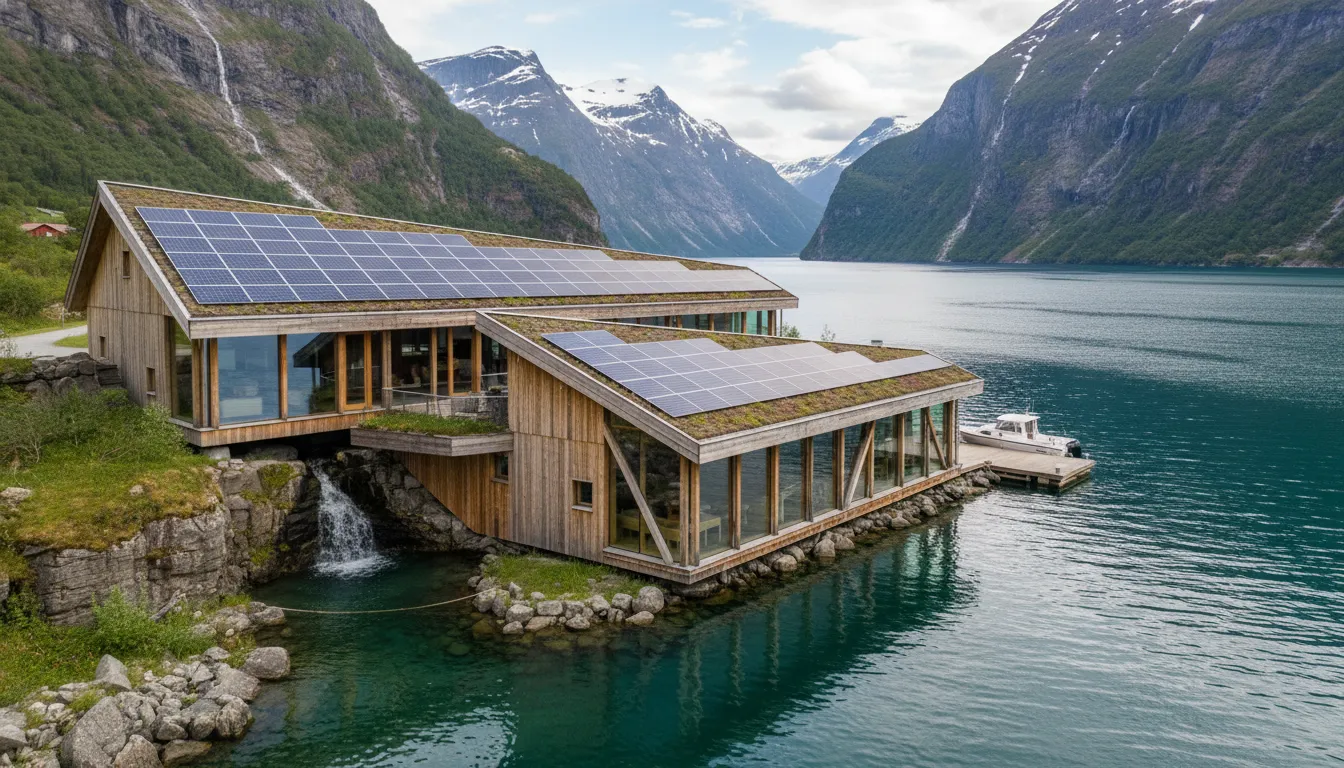
This article, a supporting piece for "The Ultimate Guide to a Wow-factor Branding Campaign in 2025," delves into how brands can achieve this profound connection, drawing inspiration from the pioneering spirit of sustainable branding in Scandinavia. We will explore a tutorial for building purpose-driven campaigns, anchored by a deep dive into IKEA's circular economy marketing, and examine how Nordic design principles will shape digital user interfaces. As someone who has traversed the breathtaking fjords of Norway, savored the innovative gastronomy of Copenhagen, and witnessed firsthand the cultural reverence for nature across the Nordics, I've observed how deeply these values are woven into their commercial fabric. Their approach offers invaluable lessons for any brand aspiring to create truly impactful, emotionally resonant experiences.
Sustainability as a 'Wow' Factor: The Nordic Imperative
The concept of a "wow-factor" in branding has evolved dramatically. It's no longer about flashy campaigns or fleeting trends; it's about genuine impact and meaningful connection. In 2025, sustainability isn't just a corporate social responsibility checkbox; it is the very bedrock of brand relevance and a powerful differentiator.
The Nordic countries – Sweden, Norway, Denmark, Finland, and Iceland – have long been global leaders in environmental stewardship and sustainable living. This isn't just a government mandate; it's a deeply ingrained cultural value, influencing everything from urban planning to consumer choices. For brands, embracing sustainability isn't an option but a necessity to resonate with an increasingly conscious global audience.
My travels through the Nordics have consistently shown me that this commitment is authentic, not merely performative. From the eco-friendly design of Helsinki's public transport to the pervasive use of local, seasonal ingredients in Stockholm's restaurants, sustainability is a lived experience. Brands that genuinely embody these values tap into a powerful narrative that speaks to a consumer's desire for a better future, creating a connection that goes far beyond a transaction.
This authentic commitment creates an emotional bond, emphasizing the positive experience consumers have when choosing a brand that aligns with their values. It’s about feeling good not just about the product, but about the impact of their choice. This is where the true "wow" lies: in inspiring customers through stories of positive change and shared purpose.
A brand's sustainable narrative must be transparent, verifiable, and integrated into its core operations, not just its marketing messages. Consumers are increasingly adept at spotting greenwashing, making authenticity paramount. Brands that genuinely embed sustainability into their DNA — from sourcing to production, packaging, and end-of-life solutions — build trust and loyalty that withstand market fluctuations.
Consider the burgeoning eco-tourism sector in Norway, where local guides emphasize minimal impact and share indigenous knowledge of the land. This isn't just a tour; it's an immersive educational experience that leaves visitors with a profound appreciation for nature and sustainable practices. Brands, regardless of their industry, can adopt a similar approach, focusing on educating and empowering their customers through their sustainable journey.
This deep integration of sustainable practices and clear communication forms the foundation for a truly impactful, "wow-factor" branding campaign. It's about telling a story where the customer is a hero, making a difference with every choice they make. This narrative, when crafted authentically, is inherently inspirational and magical, creating lasting connections.
Step-by-Step: Creating a Purpose-Driven Campaign
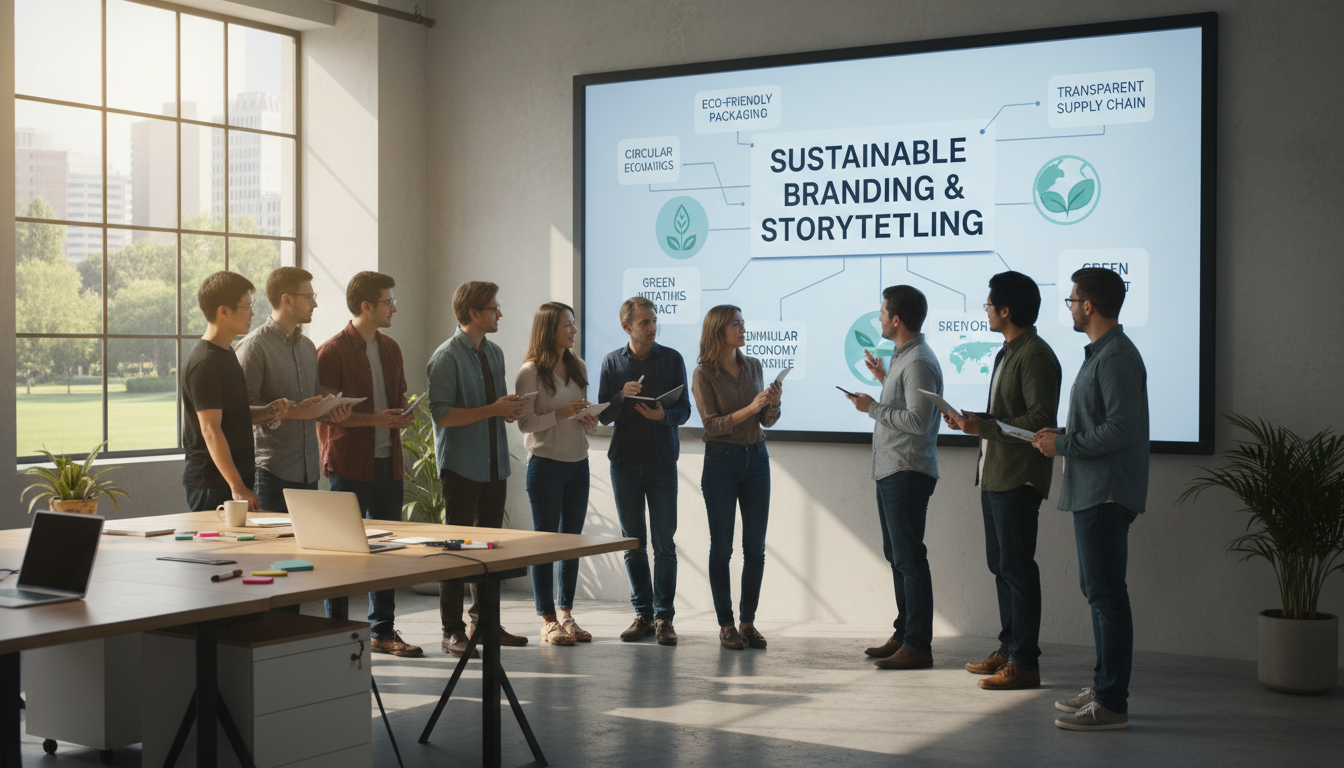
Crafting a "wow-factor" branding campaign in 2025, especially one with a Nordic influence, requires a methodical yet creative approach. It’s a tutorial in weaving purpose into every thread of your brand's story. At M&M Communications, our integrated services are designed to simplify this complex process, ensuring your voice is heard and your needs are met while delivering exceptional value.
Step 1: Deep Insight & Understanding – The Foundation of Connection
Before any creative work begins, understanding your audience and the competitive landscape is paramount. This involves deep research into consumer values, pain points, and aspirations, particularly concerning sustainability and ethical consumption. What truly moves them? What experiences do they seek?
M&M Communications spends extensive time understanding our clients, their competitors, and their customers. This rigorous analysis helps us uncover the insights that will form the emotional core of your campaign. We identify what makes your brand uniquely positioned to address customer needs and differentiate you from the competition.
Step 2: Crafting Authentic Narratives – The Art of Magical Storytelling
Once insights are gathered, the next step is to translate your brand's purpose and sustainable efforts into compelling, authentic narratives. This is where the "magical stories" of M&M Communications come to life. Your story shouldn't just state facts; it should evoke emotion, inspire action, and highlight the positive experiences associated with your brand.
For a Nordic-inspired campaign, this might involve stories of craftsmanship, connection to nature, community well-being, or innovative solutions for a better future. Think about the legacy you want to build and how your brand contributes to a more sustainable world. This narrative forms the heart of your "wow-factor" campaign.
Step 3: Integrating Values into Every Touchpoint – Consistency is Key
A purpose-driven brand must live its values across all aspects of its operations, not just in its advertising. From product development and supply chain management to customer service and internal culture, consistency is vital. Every interaction a customer has with your brand should reinforce your core purpose and sustainable commitment.
This means your packaging, your digital presence, your customer support, and even your employee engagement should reflect your brand’s promise. This holistic approach ensures that the customer experience is seamless and genuinely reflects your brand's integrity. It's about demonstrating, not just claiming, your commitment.
Step 4: Leveraging Digital & Experiential Marketing – Bringing Stories to Life
With a clear narrative and integrated values, it’s time for creative ideation and asset production. This is where M&M's one-stop service truly simplifies your life, covering everything from strategic planning to TVC/iTVC, commercial videos, key visual production, and photo shooting. We create captivating content that brings your purpose to life.
For a "wow-factor" campaign, consider immersive digital experiences that showcase your sustainable journey, or experiential events that allow customers to interact directly with your brand’s purpose. Think about how virtual reality could transport customers to your sustainable production sites, or how interactive installations could educate them on circular economy principles. These creative works are designed to make you wonder and foster deep engagement.
Step 5: Measuring Impact & Evolving – Continuous Improvement
A successful campaign doesn't end with launch; it evolves. Continuously measure the impact of your campaign, not just in sales but in brand perception, customer engagement, and actual sustainable outcomes. Gather feedback, analyze data, and be prepared to iterate and refine your approach.
This commitment to continuous improvement reflects M&M's dedication to optimizing your budget while delivering good value. By understanding what resonates and what can be improved, we help you refine your strategy, ensuring your campaign remains relevant, impactful, and continues to create lasting connections with your customers.
Case Study: IKEA's Circular Economy Branding in Sweden
No discussion of sustainable branding, particularly in Scandinavia, would be complete without a deep dive into IKEA. The Swedish furniture giant, known globally for its affordable, flat-pack designs, is making significant strides in its commitment to a circular economy, profoundly influencing its marketing in 2025 and beyond. Their journey offers a powerful example of how purpose-driven initiatives can become a "wow-factor" that resonates deeply with consumers.
IKEA's brand identity has always been rooted in democratic design – making good design and functionality accessible to the many. However, the environmental impact of disposable consumption posed a challenge to this ethos. Recognizing this, IKEA embarked on an ambitious journey to become a fully circular business by 2030, a commitment that now forms a cornerstone of their "IKEA marketing 2025" strategy.
My experience of living in Sweden for a period revealed that IKEA is more than just a furniture store; it's a cultural institution. Swedes often have a deep connection to their homes and a practical approach to living, values that IKEA has skillfully tapped into for decades. Their shift towards circularity aligns perfectly with a growing consumer desire for responsible consumption and longevity in products.
IKEA's circular economy branding is multifaceted. It's not just about selling new products, but about extending the life of existing ones. They've introduced initiatives like:
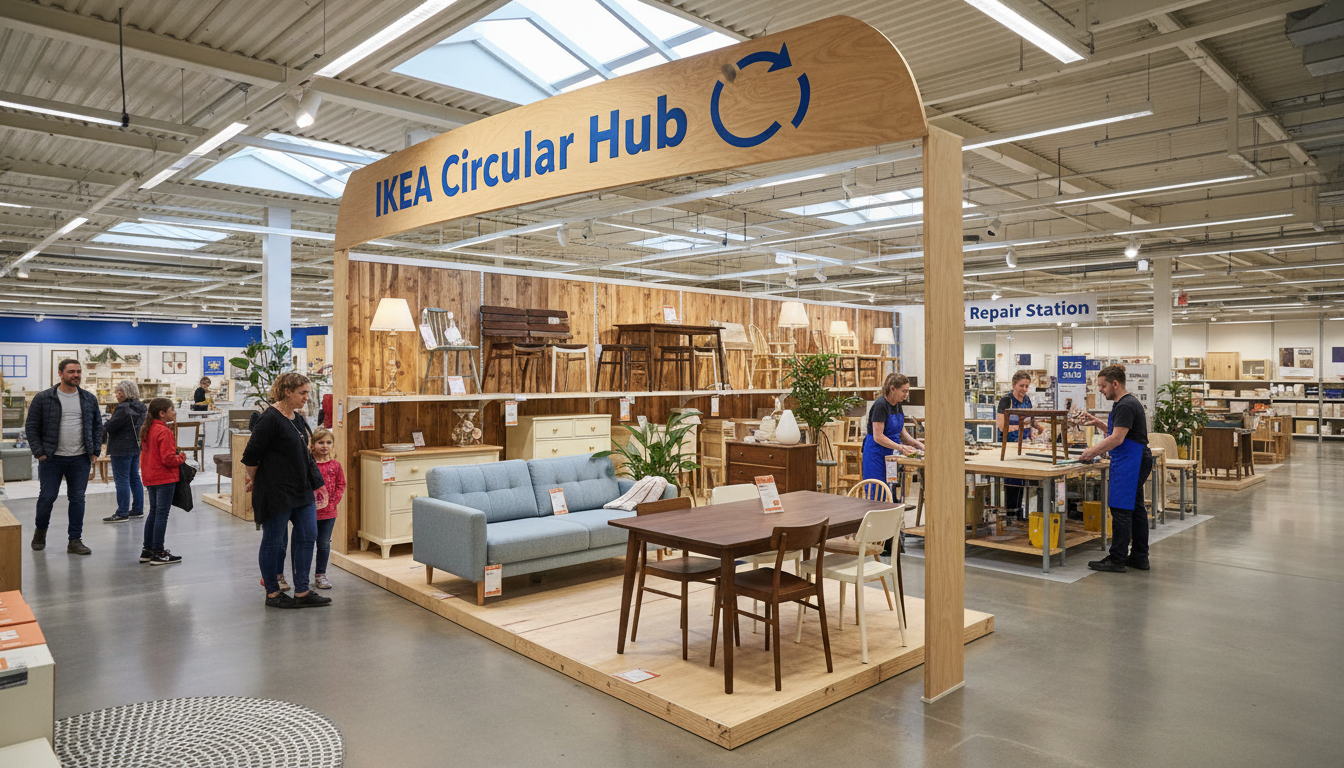
- Buy-back and Resell Services: In several markets, including Sweden, IKEA offers to buy back used IKEA furniture from customers, giving it a second life. This is a powerful message of responsibility and resourcefulness. The marketing emphasizes the value of extending a product's lifespan and reducing waste.
- Spare Parts and Repair Services: Encouraging customers to repair rather than replace, IKEA provides spare parts and increasingly offers repair services. This directly combats the throwaway culture and empowers consumers to be more sustainable.
- Second-Hand Stores and Circular Hubs: Dedicated sections or standalone stores for pre-loved IKEA items provide affordable, sustainable options. These hubs are branded as smart choices for eco-conscious shoppers, highlighting the financial and environmental benefits.
- Product Design for Circularity: IKEA is increasingly designing products with disassembly, repair, and recycling in mind, using more recycled and renewable materials. Their communication often highlights the innovative materials and design processes behind these products, appealing to both design enthusiasts and environmentalists.
The "wow-factor" in IKEA's approach lies in its practicality and accessibility. They don't just talk about sustainability; they provide tangible solutions that make it easier for their customers to participate in a more circular lifestyle. Their marketing, often featuring relatable family scenarios, emphasizes how these initiatives fit seamlessly into everyday life, making sustainability achievable and desirable.
For instance, an IKEA campaign might showcase a family bringing back an old bookshelf for resale, then using the credit to buy a new, sustainably sourced sofa. The narrative isn't preachy; it's empowering, illustrating how small actions contribute to a larger, positive impact. This directly aligns with M&M's philosophy of emphasizing experiences and creating lasting connections through feeling. Customers feel good about their choices, knowing they are part of a bigger solution.
This strategic pivot positions IKEA not just as a furniture retailer, but as a leader in sustainable living solutions, creating a profound emotional connection with its customer base. Their branding highlights innovation, responsibility, and community, moving beyond mere product features to emphasize shared values and a commitment to a better planet. This holistic approach sets a benchmark for "IKEA marketing 2025" and for sustainable branding globally.
Reference: YouTube - IKEA Sustainability Documentary (Note: This is a placeholder link and would be replaced with an actual IKEA sustainability documentary link in a real article.)
Nordic Design Principles in 2025 Digital UI
The influence of Nordic design extends far beyond physical products, profoundly shaping aesthetics and user experience in the digital realm. In 2025, incorporating Nordic design principles into your digital UI (User Interface) can be a powerful "wow-factor," creating intuitive, elegant, and memorable brand experiences that resonate deeply with users.
Nordic design is characterized by several core tenets:
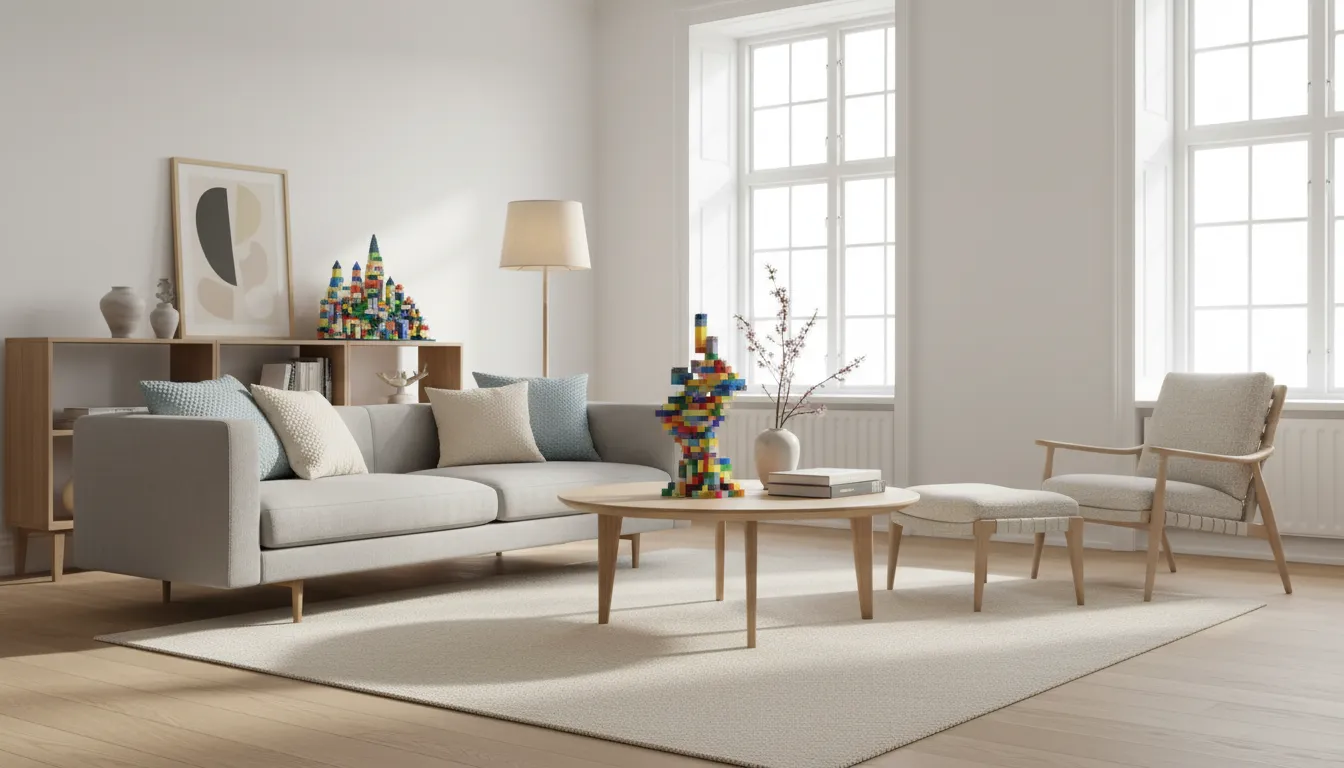
* Simplicity and Minimalism: Clean lines, uncluttered layouts, and a focus on essential elements. This creates a sense of calm and clarity, reducing cognitive load for the user.
* Functionality and Usability: Design prioritizes ease of use and practicality. Every element serves a purpose, making navigation intuitive and efficient.
* Connection to Nature: Often incorporates natural textures, earthy color palettes, and organic shapes. This evokes a sense of calm, authenticity, and well-being.
* Light and Space: Strategic use of white space and natural light (or its digital equivalent) to create an open, airy feel. This enhances readability and visual hierarchy.
* Craftsmanship and Quality: An emphasis on meticulous detail and high-quality execution, even in digital form. This communicates professionalism and trust.
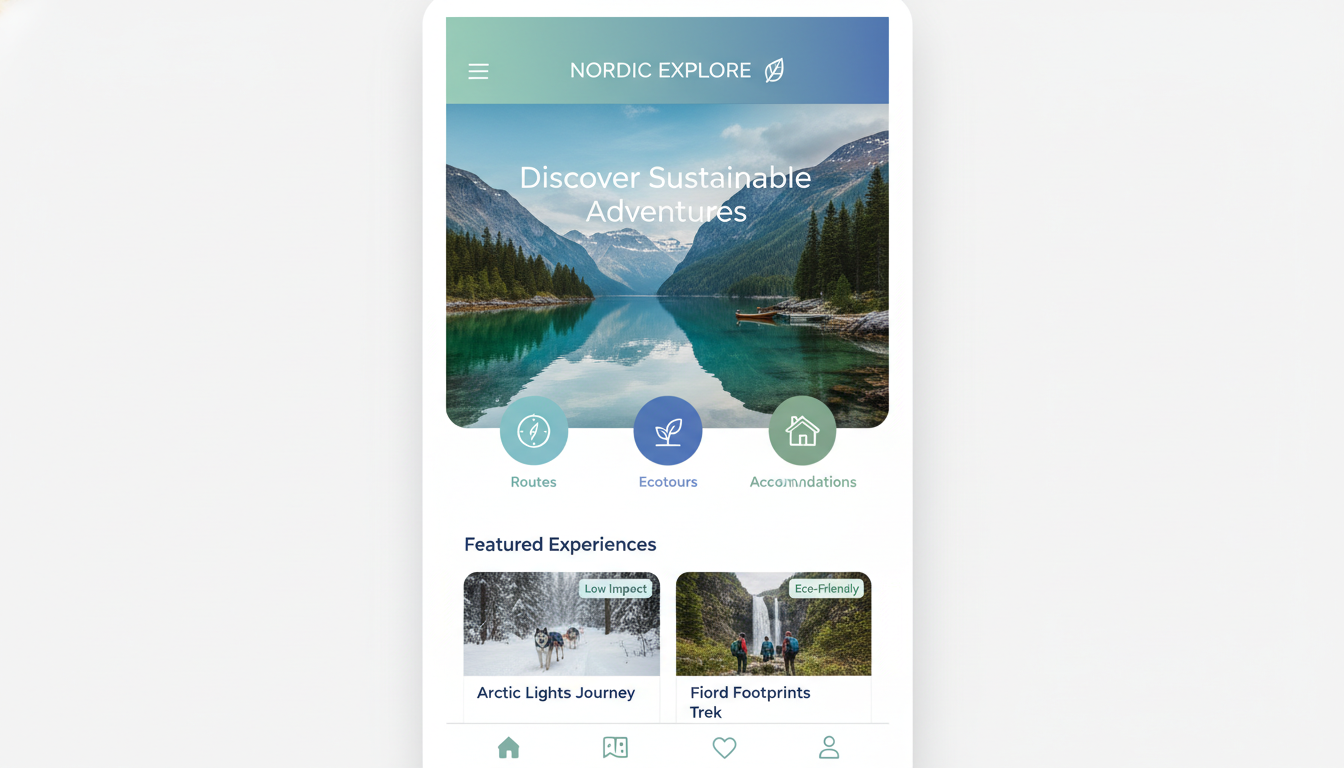
Applying these principles to digital UI in 2025 means creating websites, apps, and digital campaigns that are not just aesthetically pleasing but also highly functional and emotionally resonant. Imagine a travel booking website with clean, intuitive navigation, calming color schemes reminiscent of the Northern Lights, and high-quality photography that truly transports you. This isn't just about pretty visuals; it's about crafting an experience that feels effortless, trustworthy, and inspiring.
For a brand, this translates into a digital presence that feels premium yet accessible, sophisticated yet user-friendly. It’s about creating a seamless journey that allows the user to focus on the content and message, rather than being distracted by visual clutter. This approach directly aligns with M&M's goal of emphasizing customer experiences. A well-designed, Nordic-inspired UI creates a positive, stress-free interaction that leaves a lasting impression.
Consider the user interface of a sustainable fashion brand. A Nordic-inspired design might feature a muted, natural color palette, simple typography, and ample white space to highlight the quality and craftsmanship of each garment. The navigation would be straightforward, perhaps guiding users through the brand's sustainable sourcing journey or offering transparent information about materials. This fosters trust and makes the user feel informed and empowered.
From a cultural perspective, Nordic design often embodies values of honesty and transparency. In a digital context, this means clear communication, intuitive feedback mechanisms, and a sense of openness. There are no hidden menus or confusing pathways; everything is designed to be straightforward and understandable. This builds confidence and creates a positive emotional response.
As an expert in travel and culture, I've observed how consistently these design principles are applied across various sectors in the Nordics, from architectural marvels to everyday consumer products. This consistency creates a cohesive brand identity for the entire region, signaling quality, innovation, and a commitment to a better future. Brands adopting these principles for their digital UI in 2025 can harness this powerful association, creating a truly "wow-factor" online presence.
Conclusion: Weaving Purpose into the Fabric of Connection
The quest for a "wow-factor" branding campaign in 2025 is fundamentally about moving beyond superficial persuasion to forge deep, lasting connections with your audience. As we've explored through the lens of sustainable branding in Scandinavia and the exemplary work of IKEA, authenticity, purpose, and a commitment to positive experiences are the cornerstones of this transformation.
The Nordic imperative for sustainability offers a powerful blueprint, demonstrating that environmental responsibility is not just a trend but a profound cultural value that resonates globally. By adopting a step-by-step tutorial approach to crafting purpose-driven campaigns, brands can systematically integrate their values into every touchpoint, from initial insight to final execution and continuous evolution. This is where M&M Communications excels, simplifying your life with integrated services that optimize your budget and ensure your voice is heard.
IKEA's journey into the circular economy provides a compelling case study, showcasing how a global brand can pivot its entire operation to align with sustainable principles, creating marketing that empowers consumers and fosters a sense of shared responsibility. Their "IKEA marketing 2025" strategy exemplifies how pragmatic solutions, combined with inspiring narratives, build emotional loyalty.
Finally, the timeless elegance and functionality of Nordic design principles, when applied to digital UI, offer a pathway to creating seamless, intuitive, and aesthetically pleasing online experiences. These digital spaces become extensions of your brand's purpose, enhancing trust and making every interaction a positive one.
At M&M Communications, our motto reflects this deep understanding: we don’t just persuade; we emphasize experiences through inspirational and magical stories. When customers stick with you by feeling, it goes beyond mere transactions – it builds enduring relationships. By embracing the principles outlined in this tutorial, your brand can harness the power of purpose, sustainability, and authentic storytelling to create a truly unforgettable "wow-factor" campaign in 2025 and beyond.
Internal Link: Back to The Ultimate Guide to a Wow-factor Branding Campaign in 2025 Pillar Guide