The advertising landscape in Asia is a vibrant tapestry, constantly reweaving itself with threads of innovation, cultural pride, and technological marvel. As a seasoned observer of global trends, particularly across Asia's travel, food, and cultural scenes, I've witnessed firsthand how brands are moving beyond mere persuasion. They are now striving to create deeply resonant experiences, building connections that linger long after the initial impression. This pursuit of the unforgettable—the true "wow-factor"—is not just about fleeting spectacle; it's about crafting stories that touch the heart and stir the imagination, a philosophy that deeply aligns with M&M Communications' vision.
In this dynamic environment, where consumers are savvier and more connected than ever, a simple advertisement no longer suffices. Brands must create moments of genuine wonder, drawing audiences into narratives that reflect their values, aspirations, and cultural identities. This article will delve into several key industry trends shaping "wow-factor advertising campaigns in Asia," exploring how they are explained through innovation and deep cultural understanding. We will see how these trends are not just fads, but strategic shifts designed to build lasting emotional bonds, transforming consumers into passionate advocates rather than just purchasers.
The Rise of 'Guochao' in China: Pride in Local Culture
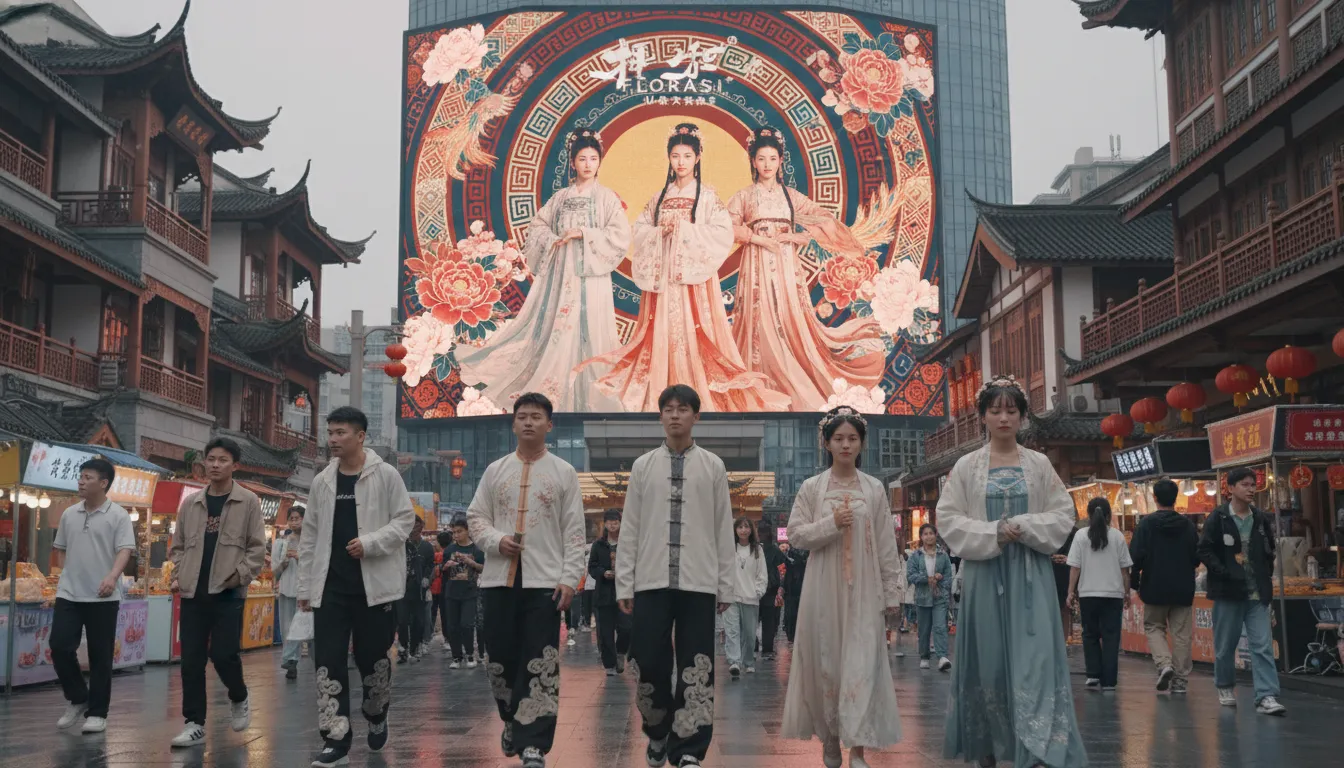
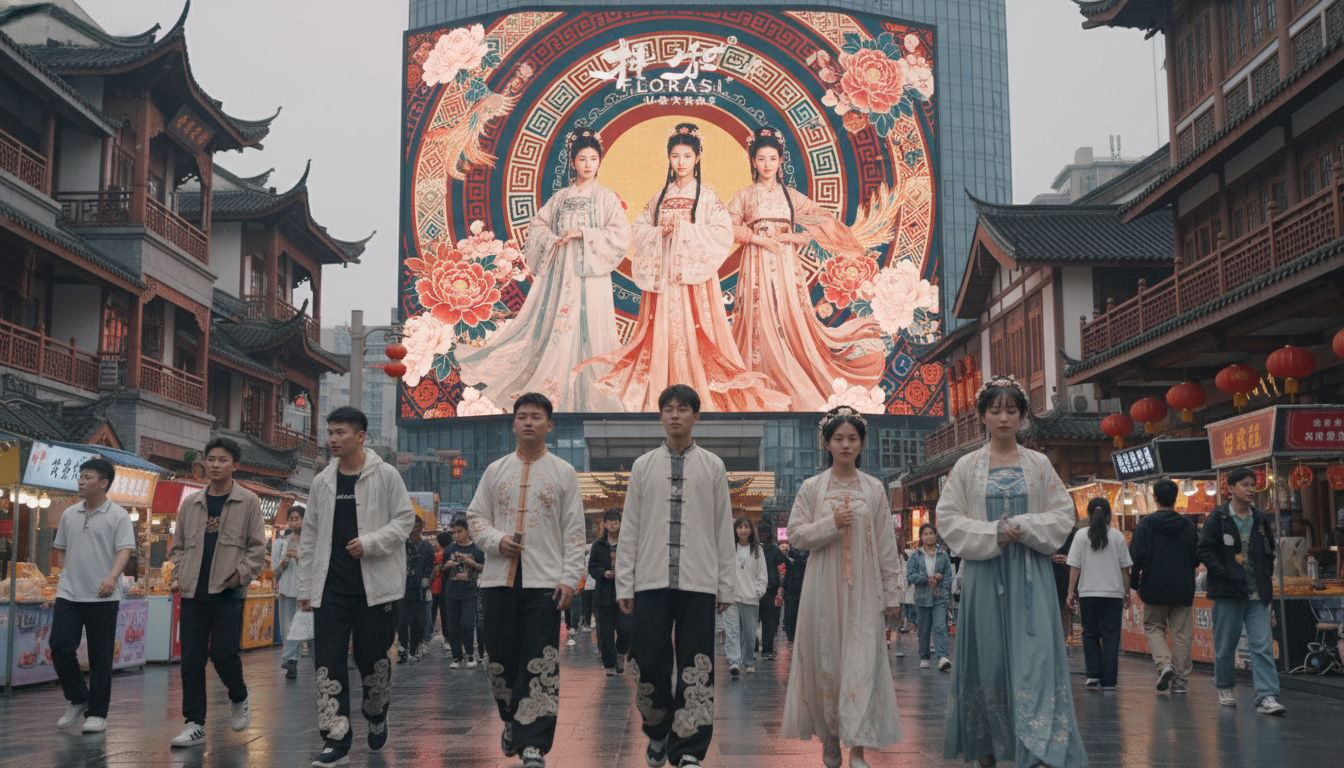
One of the most compelling "wow-factors" to emerge from China's advertising scene is the phenomenon of Guochao, or "national trend." This movement represents a powerful resurgence of national pride, where traditional Chinese aesthetics, craftsmanship, and cultural narratives are reinterpreted through a modern lens. It's a striking counter-narrative to the long-standing preference for Western brands, signaling a profound shift in consumer sentiment.
I recall my visits to bustling Beijing markets and the modern art districts, where I first noticed the subtle yet undeniable shift. Suddenly, young people were proudly sporting sneakers from domestic brands like Li-Ning, which incorporated traditional ink wash painting motifs or intricate embroidery inspired by ancient dynasties. These weren't just clothes; they were statements of identity, worn with a pride that was palpable.
Brands are now leveraging Guochao to create campaigns that resonate deeply with local audiences, particularly the younger generations. They are moving away from simply localizing foreign concepts and instead are drawing authentic inspiration from China's rich history, art, and philosophy. This creates a powerful emotional connection, tapping into a collective sense of heritage and belonging.
Consider the success of beauty brands like Florasis (Huaxizi), which crafts exquisite makeup products inspired by ancient Chinese cosmetics and traditional artistry. Their packaging often features intricate carvings and designs reminiscent of classical Chinese art, transforming a simple lipstick into a cultural artifact. This approach offers not just a product, but a piece of heritage, a tangible link to a glorious past.
The "wow-factor" here lies in the authenticity and the celebration of unique cultural identity. When a brand genuinely embraces and elevates local culture, it speaks directly to the hearts of its consumers, fostering a loyalty that transcends mere product features. It's about feeling seen, understood, and proud of one's own roots, creating an advertising campaign that truly embodies an experience.
Short-form Video Dominance: The TikTok/Douyin/Reels Effect
The proliferation of short-form video platforms like TikTok, Douyin, and Instagram Reels has irrevocably reshaped the advertising landscape across Asia. These platforms have introduced a new paradigm of content consumption: bite-sized, highly engaging, and often user-generated. For brands, mastering this format is no longer optional; it's essential for creating a "wow-factor" that captures fleeting attention.
My own travel planning often begins with a scroll through short videos, uncovering hidden cafes in Seoul or breathtaking viewpoints in Ha Long Bay, shared by enthusiastic locals or fellow explorers. The immediacy and authenticity of these snippets are incredibly powerful, often influencing my itinerary more than polished, long-form documentaries. This personal connection underscores the format's profound impact.
The "wow-factor" in this realm comes from rapid-fire storytelling, visual creativity, and the potential for virality. Campaigns on these platforms thrive on challenges, trending sounds, and authentic user-generated content (UGC). Brands are leveraging influencers to create relatable narratives, or initiating challenges that encourage audience participation, turning viewers into active co-creators of the brand's story.
For example, a tourism board might launch a "Dance Your Way Through [City Name]" challenge, inviting users to perform a trending dance at iconic landmarks. This doesn't just showcase the destination; it transforms viewers into participants, building a personal connection and generating organic buzz. Similarly, food brands might create quick, visually appealing recipe videos using their products, inspiring immediate action.
The beauty of short-form video lies in its democratizing effect, allowing even smaller brands to achieve massive reach with a truly creative concept. It demands a different kind of creative thinking—less about grand narratives and more about impactful micro-stories that can be consumed and shared in seconds. This format perfectly embodies M&M Communications' focus on "creative performance content" and "viral video," crafting campaigns that are not just seen, but felt and shared.
Metaverse Events: Virtual Concerts and Product Launches
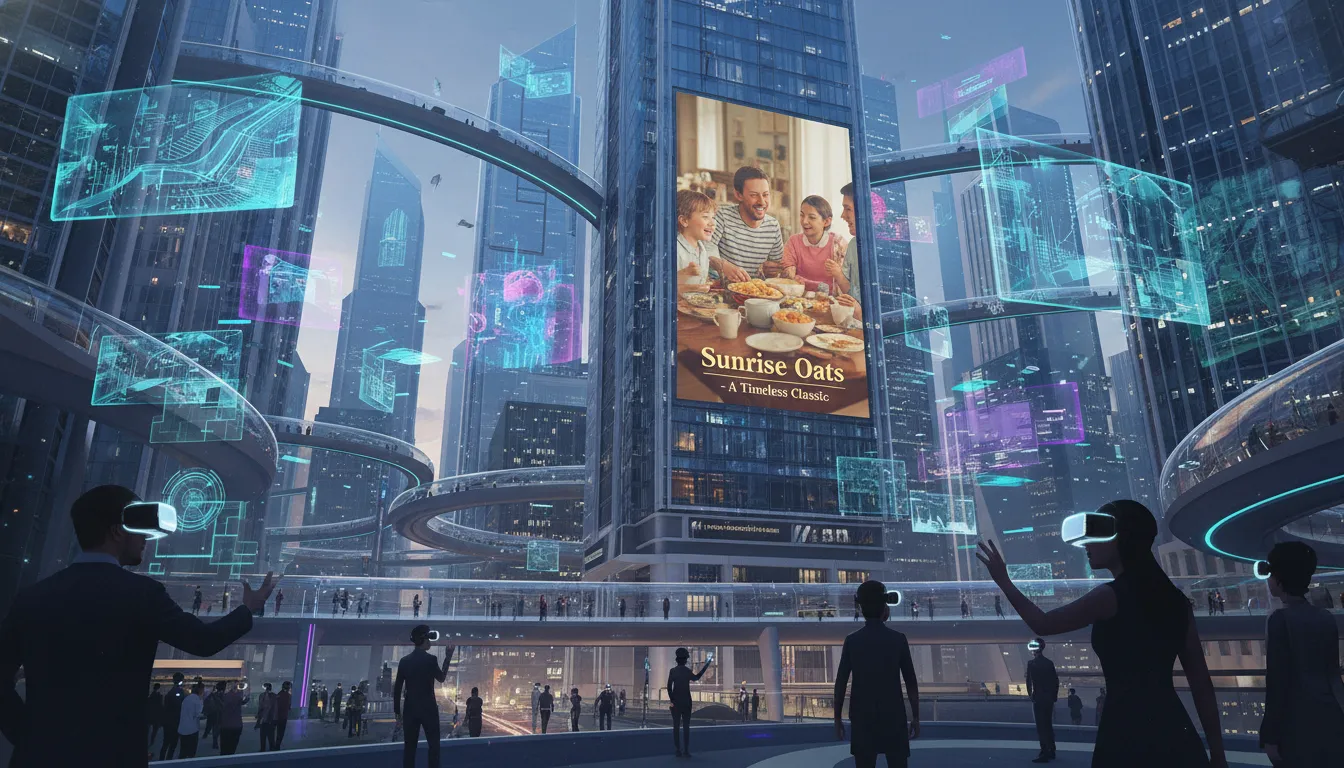
As technology continues its relentless march, the concept of the metaverse has emerged as a fertile ground for truly innovative "wow-factor" advertising campaigns. While still in its nascent stages, the metaverse offers an unprecedented canvas for immersive, interactive experiences that transcend physical limitations. From virtual concerts to digital product launches, brands are exploring new dimensions of engagement.
I remember attending a virtual reality art exhibition a few years ago, a nascent form of what the metaverse promises. The sensation of "walking" through galleries, interacting with digital sculptures, and even conversing with other avatars felt remarkably real and utterly novel. It hinted at a future where geographical barriers could dissolve, offering boundless opportunities for connection and experience.
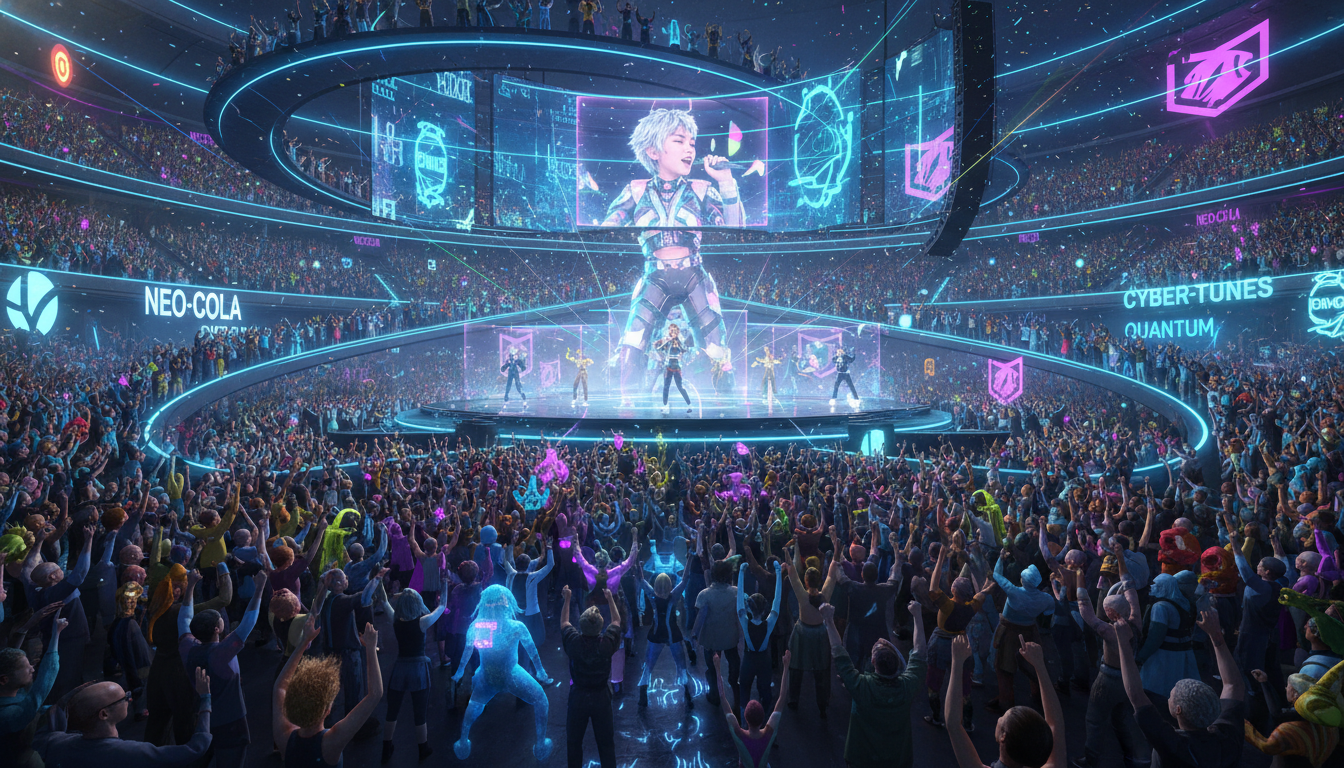
The "wow-factor" of metaverse events stems from their ability to offer unparalleled immersion and global accessibility. Imagine a luxury fashion brand launching its new collection in a hyper-realistic virtual runway show, where avatars of attendees can interact with the designs, customize virtual outfits, and even purchase NFTs linked to physical products. This isn't just advertising; it's creating an entirely new form of brand interaction.
Music artists in Asia, for instance, have already experimented with virtual concerts, drawing millions of global fans into a shared digital space. Brands can integrate seamlessly into these experiences, sponsoring virtual stages, offering exclusive digital merchandise, or creating interactive brand zones within the metaverse environment. This allows for deep engagement in a context that feels cutting-edge and exclusive.
While the metaverse presents technical challenges and requires significant investment, its potential for creating truly magical and memorable brand experiences is immense. It allows brands to build fantastical worlds, host global events without logistical constraints, and foster communities around shared virtual experiences. This pushes the boundaries of "customized concept" and "event production," offering a glimpse into the future of experiential marketing.
Sustainability as a 'Wow' Factor: Green Marketing in Asia
In an era of increasing environmental awareness, sustainability has transcended its role as a mere corporate social responsibility initiative to become a genuine "wow-factor" in advertising. Across Asia, consumers, particularly younger demographics, are increasingly conscious of their ecological footprint and are actively seeking out brands that align with their values. Green marketing, executed authentically, creates a powerful emotional connection.
During my travels through Southeast Asia, I've observed a growing number of eco-lodges and community-based tourism initiatives that prioritize local conservation and sustainable practices. These aren't just selling a stay; they're selling a philosophy, an opportunity to travel responsibly and contribute positively. This shift reflects a broader consumer appetite for purpose-driven experiences.
The "wow-factor" of sustainability in advertising lies in its ability to inspire trust, admiration, and a sense of shared purpose. When a brand genuinely commits to ethical sourcing, sustainable production, or environmental conservation, it speaks volumes about its integrity. This goes beyond product benefits; it touches upon a consumer's desire to make responsible choices and feel good about their purchases.
Consider brands that openly communicate their efforts to reduce plastic waste, use renewable energy, or support local farming communities. Shiseido, a brand with a strong presence in Asia, has been active in promoting sustainable practices in its product development and packaging. Similarly, local food brands might highlight their farm-to-table initiatives, emphasizing freshness and reduced carbon footprint.
For a "wow-factor" campaign, it’s not enough to simply state a commitment; brands must demonstrate it through transparent communication and tangible actions. Documentaries showcasing their sustainable practices, or campaigns inviting consumers to participate in eco-friendly initiatives, can create deep, lasting connections. This approach resonates with M&M's philosophy of emphasizing experiences and building connections through shared values, going beyond transactional relationships.
AI-Generated Content (AIGC) in Commercial Photography
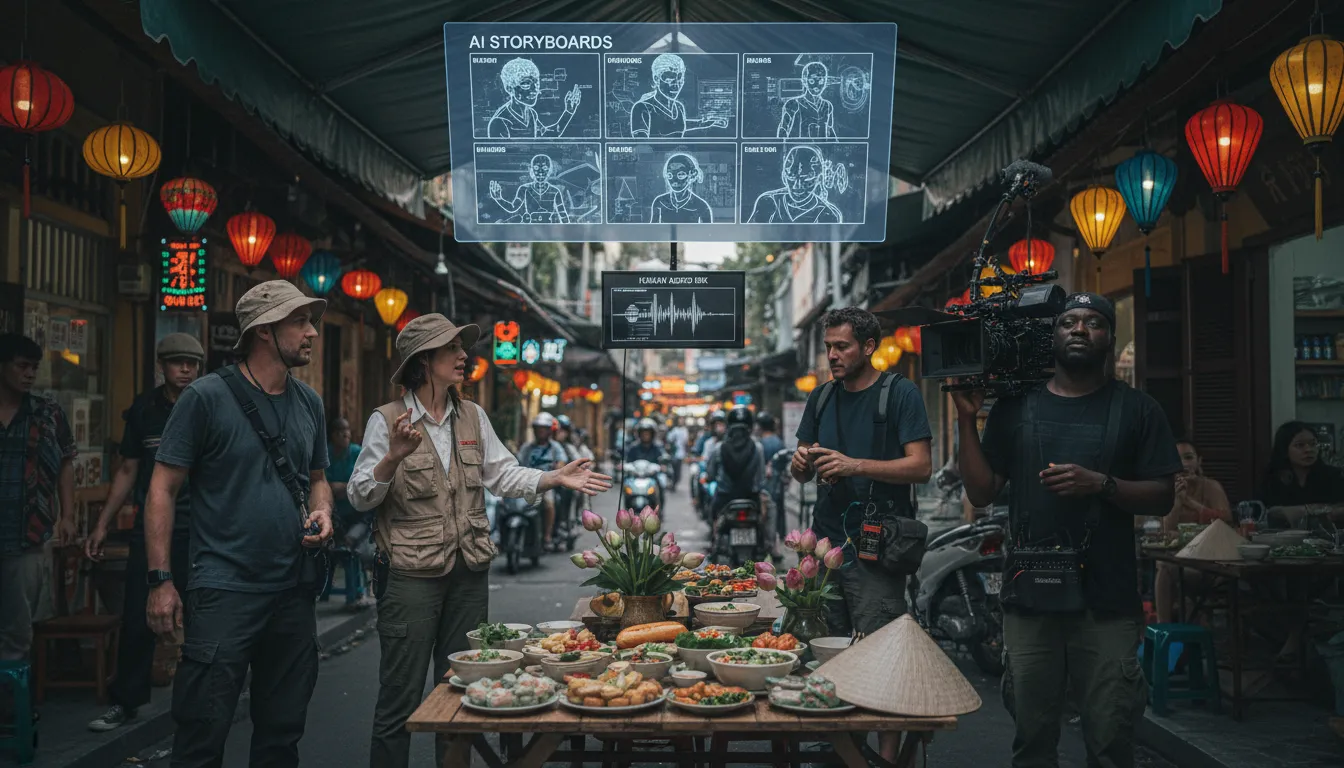
The advent of Artificial Intelligence-Generated Content (AIGC) is poised to revolutionize commercial photography and visual advertising, offering an unprecedented "wow-factor" through hyper-creativity and efficiency. AI tools can now generate photorealistic images, manipulate existing visuals, and even create entire visual campaigns from text prompts, opening up a world of possibilities previously limited by budget or imagination.
As someone who has extensively documented cultures and landscapes through photography, I've always appreciated the human eye's ability to capture nuanced beauty. However, witnessing the rapid advancements in AI image generation has been truly astonishing. The precision and imaginative scope of what AI can now produce, from fantastical landscapes to highly specific product shots, is genuinely mind-bending.
The "wow-factor" of AIGC in commercial photography is multi-faceted. Firstly, it offers unparalleled speed and cost-effectiveness. Brands can rapidly generate a multitude of visual options for A/B testing, or create highly personalized ad visuals tailored to specific audience segments without the overhead of traditional photoshoots. This optimizes affordable budgets while delivering good values.
Secondly, AIGC allows for limitless creative exploration. Imagine a campaign for a new beverage that needs to depict it being enjoyed on the moon, or a historical reenactment for a cultural tourism ad. AI can bring these concepts to life with stunning realism, pushing the boundaries of visual storytelling. This aligns perfectly with M&M's commitment to "customized concepts" and making clients "wonder at all things we do."
However, the "wow-factor" also comes with a caveat: authenticity. While AI can create breathtaking visuals, the most impactful campaigns will likely find a balance between AI-generated creativity and human touch. Leveraging AI to augment human artistry, perhaps by generating initial concepts or refining details, could be the key to truly stand-out visuals that still resonate with genuine emotion. This fusion will ensure that while the visuals are cutting-edge, the underlying story remains deeply human.

Conclusion: Weaving 'Wow' into Asia's Advertising Tapestry
The pursuit of the "wow-factor" in Asian advertising is a dynamic journey, constantly evolving with technological advancements and shifting cultural currents. From the deep cultural resonance of 'Guochao' to the instant virality of short-form video, the immersive potential of the metaverse, the ethical appeal of sustainability, and the boundless creativity of AIGC, brands are finding myriad ways to captivate and connect with their audiences. These trends are not isolated phenomena but interconnected threads in a rich tapestry, shaping how "wow-factor advertising campaign in Asia industry trends" are explained and executed.
What ties these diverse trends together is a fundamental shift towards experiential storytelling and emotional connection, a core tenet of M&M Communications. It's no longer enough to simply present a product; brands must offer an experience, evoke a feeling, and build a relationship that transcends the transactional. As an expert in navigating the complexities of culture, history, and consumer behavior across Asia, I've seen firsthand how these deeply felt connections drive true loyalty.
The future of advertising in Asia will undoubtedly be defined by those who can master these emerging trends, translating technological prowess and cultural insights into truly unforgettable campaigns. For brands seeking to create a lasting impression, to inspire wonder, and to forge enduring connections with their customers, understanding and embracing these "wow-factor advertising campaign in Asia industry trends" is not just an advantage—it's an imperative. M&M Communications stands ready to guide clients through this exciting landscape, transforming innovative ideas into inspirational, magical stories that resonate deeply and set them apart from the competition.