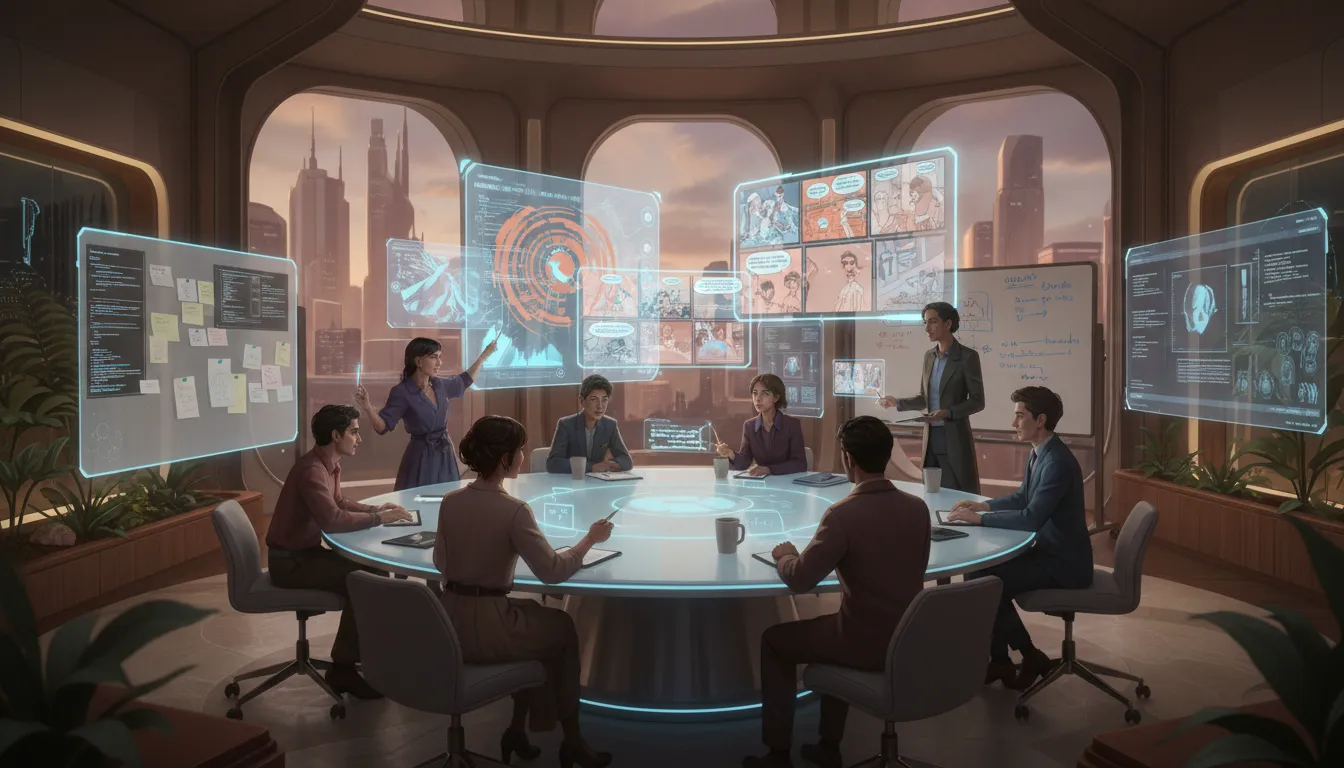
The world of video production is a dynamic, ever-evolving canvas, constantly reshaped by technological leaps and shifting audience desires. As an observer and participant in the grand narrative of human culture, from ancient historical sites to bustling modern markets, I've witnessed firsthand how stories transcend time and medium. In 2026, the essence of powerful storytelling remains paramount, yet the tools and techniques for its delivery have transformed dramatically.
This is a pivotal moment where technological innovation, especially in artificial intelligence, converges with an enduring human need for connection and authentic experience. The challenge for content creators and brands alike is to navigate this complex landscape, leveraging cutting-edge methods while never losing sight of the heart of the message. This guide explores the best practices defining the state of video production in 2026, offering insights into how to craft compelling, resonant narratives that truly stick with your audience.
Ethical AI Usage and Disclosure Standards
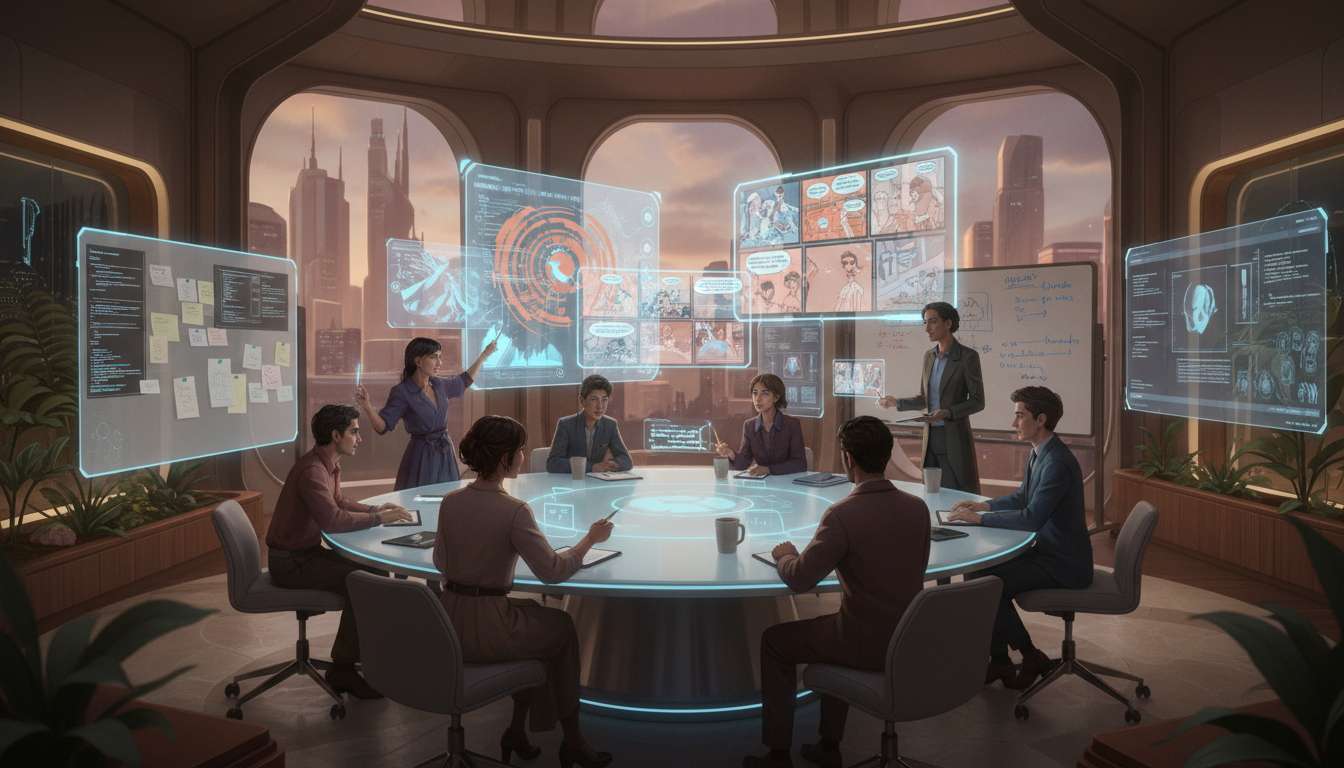
The integration of Artificial Intelligence into video production has moved beyond novelty to become a fundamental aspect of the workflow in 2026. From AI-powered scripting assistants that help refine narratives based on audience demographics to sophisticated deepfake technologies capable of generating photorealistic virtual presenters, AI's presence is pervasive. However, with this immense power comes an equally immense responsibility, demanding clear ethical guidelines and transparent disclosure.
My travels have often revealed the profound impact of authenticity; whether it’s a chef’s genuine passion for a traditional dish or a local guide's unvarnished history of their village. In video production, this translates to maintaining trust, which AI can either enhance or erode depending on its application. The ethical use of AI requires producers to be acutely aware of potential biases embedded within algorithms and to actively work to mitigate them, ensuring diverse and equitable representation in content. Transparency is the cornerstone of trust, and audiences in 2026 expect to know when AI has played a significant role in content creation.
Best practices dictate that creators must clearly disclose the extent of AI involvement, especially when it pertains to generating human likenesses, voices, or fabricating elements that viewers might otherwise perceive as real. This could involve on-screen disclaimers, metadata tags, or dedicated sections in credits, similar to how special effects are credited today. Agencies like M&M Communications play a crucial role in guiding clients through these ethical complexities, leveraging AI to enhance inspirational stories without compromising their authenticity or audience trust. For instance, using AI to analyze vast archives of historical footage for a documentary can be incredibly efficient, but presenting AI-generated reconstructions must always be explicitly stated, allowing viewers to differentiate between fact and interpretation.
Consider a scenario where an AI is used to create a virtual tour guide for a historical site, perhaps for a client like USSH HCM or Ly Son – Ky Bi Dao Nui Lua. While the AI can provide accurate historical data and even mimic human expressions, disclosing its synthetic nature is vital for maintaining credibility and preventing viewer deception. This ethical framework ensures that the "magical stories" we create remain grounded in integrity, fostering deeper, more honest connections with audiences. Ultimately, AI should serve as a powerful creative partner, extending human capabilities rather than replacing the human element of ethical judgment and genuine connection.
Mobile-First Cinematography: The New Standard
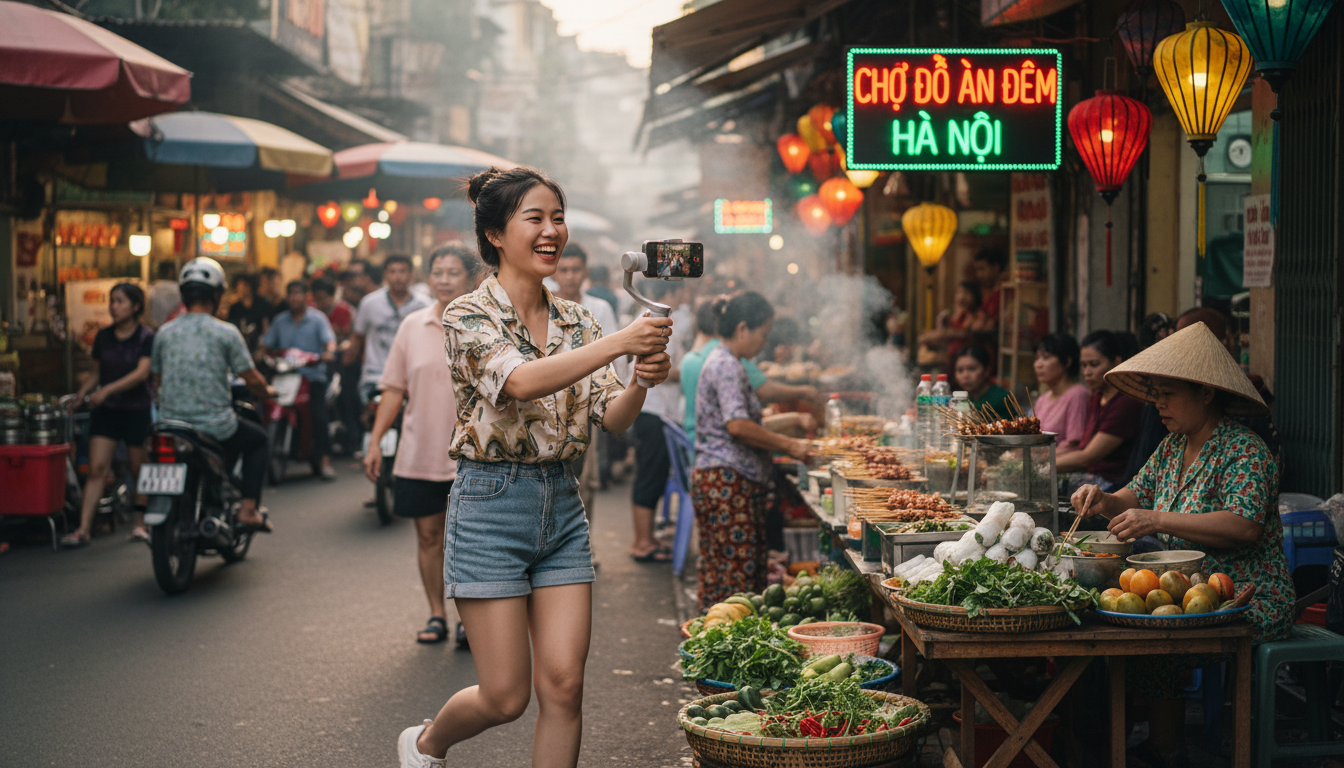
The smartphone is no longer just a communication device; it has definitively become the primary screen for video consumption globally, fundamentally reshaping cinematography in 2026. My own experiences, often capturing spontaneous moments of local life – a vibrant street market in Ho Chi Minh City or the serene beauty of a fishing village – have shown me the raw power and intimacy of mobile-shot footage. This "mobile-first" paradigm means that content isn't merely viewable on mobile; it is conceived and optimized for the mobile experience from its very inception.
This shift prioritizes vertical video formats, engaging visuals, and crystal-clear audio, understanding that a significant portion of the audience will be watching on smaller screens, often in noisy environments. The intimacy of mobile cinematography fosters a sense of immediacy and authenticity that can be incredibly powerful, breaking down traditional barriers between creator and viewer. Think of the dynamic, engaging short-form content M&M creates for clients like Shiseido or The Body Shop; these narratives are often designed to immediately grab attention within a user's rapidly scrolling feed.
Best practices for mobile-first cinematography extend beyond just shooting vertically; they encompass a holistic approach to storytelling. This includes framing shots tightly to maximize visual impact on a small screen, ensuring text overlays are readable, and utilizing quick, dynamic cuts to maintain engagement. High-quality audio is paramount, as poor sound can instantly detract from even the most visually stunning mobile footage. From pre-production planning to post-production editing, every decision must consider the mobile viewer first, ensuring the story translates effectively to their preferred device.
For instance, when documenting a product feature for Ariel Furniture or creating a lookbook for a beauty brand, understanding how details will appear on a phone screen dictates everything from lighting choices to product placement. M&M's expertise in "Video Shooting & Photo Shooting" with a "Customized concept" ensures that content resonates with a mobile-centric audience, creating effective solutions that connect deeply. This mobile-first mindset allows brands to deliver inspirational and magical stories directly into the hands of their customers, fostering a more personal and immersive experience that traditional horizontal formats often struggle to achieve.
Data-Led Creative: How Algorithms Dictate Edits
In 2026, the days of purely intuitive creative decisions in video editing are largely behind us, replaced by a sophisticated integration of data analytics. My background in understanding cultural preferences and historical patterns has always underscored the importance of insight, but now, algorithms provide unparalleled granular detail into audience behavior. This data-led approach allows producers to understand precisely what resonates with viewers, where engagement peaks, and where interest wanes, transforming post-production into a science as much as an art.
Algorithms meticulously track viewer engagement, drop-off rates, replay patterns, and even emotional responses inferred from interactions, providing a rich tapestry of insights. This analytical feedback directly influences editing decisions, from the optimal pacing of cuts and the selection of background music to the strategic placement of visual effects and even the restructuring of narrative arcs. For example, if data reveals a consistent drop-off at a specific point in a commercial video, editors can experiment with different sequences or introduce new elements to re-capture attention.
Best practices for data-led creative involve a continuous feedback loop: produce content, analyze performance metrics, and iterate based on the findings. A/B testing different intros, musical scores, or call-to-action placements has become standard, allowing creators to optimize videos for maximum impact and retention. This rigorous, analytical approach ensures that every creative choice is informed, moving beyond mere guesswork to deliver content that demonstrably performs. It's about finding the sweet spot where artistic vision meets audience preference.
M&M Communications, through its "strategic planning" and "creative ideation" services, exemplifies this data-driven philosophy. For clients like Meat & Livestock Australia or Taste Of Australia, understanding consumer engagement with specific cooking demonstrations or cultural narratives is paramount. Data helps fine-tune these stories, ensuring they resonate deeply with target audiences and set clients apart from the competition. It's not about letting algorithms completely dictate creativity, but rather about using data as an incredibly powerful tool to refine and amplify human storytelling, making it more impactful and efficient than ever before.
Optimizing for 2-Second Hook Retention
In the lightning-fast digital landscape of 2026, the average attention span is measured in mere seconds, making the opening moments of any video absolutely critical. Drawing from my experiences in diverse cultures, I've learned that first impressions are everything, whether it's the aroma of a street food stall instantly drawing you in or the striking architecture of an ancient temple demanding immediate awe. In video, this translates to the absolute necessity of optimizing for a 2-second hook retention.
This incredibly tight window demands that the most compelling, intriguing, or visually stunning element of your video be placed right at the beginning. The goal is to immediately grab the viewer's attention and provide a compelling reason for them to continue watching, preventing them from scrolling past. This isn't just a best practice; it's a survival mechanism for content in an oversaturated market. For instance, M&M's work on "Creative performance content" for TVC/iTVC or "Viral Video" inherently understands this need for immediate impact.
Techniques for achieving this rapid engagement are varied and powerful. They include visually striking shots, often with high production value or unexpected elements; immediate emotional resonance, perhaps through a relatable scenario or a surprising reveal; or a clear, concise value proposition presented within the first couple of seconds. Dynamic motion graphics, intriguing questions, or a quick montage of the video's highlights can also serve as effective hooks. It's about front-loading the "wow" factor.
Best practices involve rigorous testing of different opening sequences to identify which ones perform best in terms of initial engagement and subsequent watch time. This data-led approach to the first two seconds is crucial, ensuring that creative efforts are not wasted on content that viewers never get to see. By mastering the 2-second hook, brands can ensure their inspirational and magical stories have the chance to unfold, creating the lasting connections that M&M Communications champions. It's about making every single frame, especially the very first ones, count with unparalleled intensity.
Accessibility and Global Localization Practices
The digital realm has dissolved geographical boundaries, allowing video content to reach a truly global audience in 2026. My extensive travels have profoundly emphasized the importance of cultural understanding and inclusive communication. Just as a perfectly translated menu in a local Vietnamese restaurant makes a world of difference to a traveler, ensuring video content is both accessible to individuals with disabilities and thoughtfully localized for diverse cultures is no longer optional; it is an imperative.
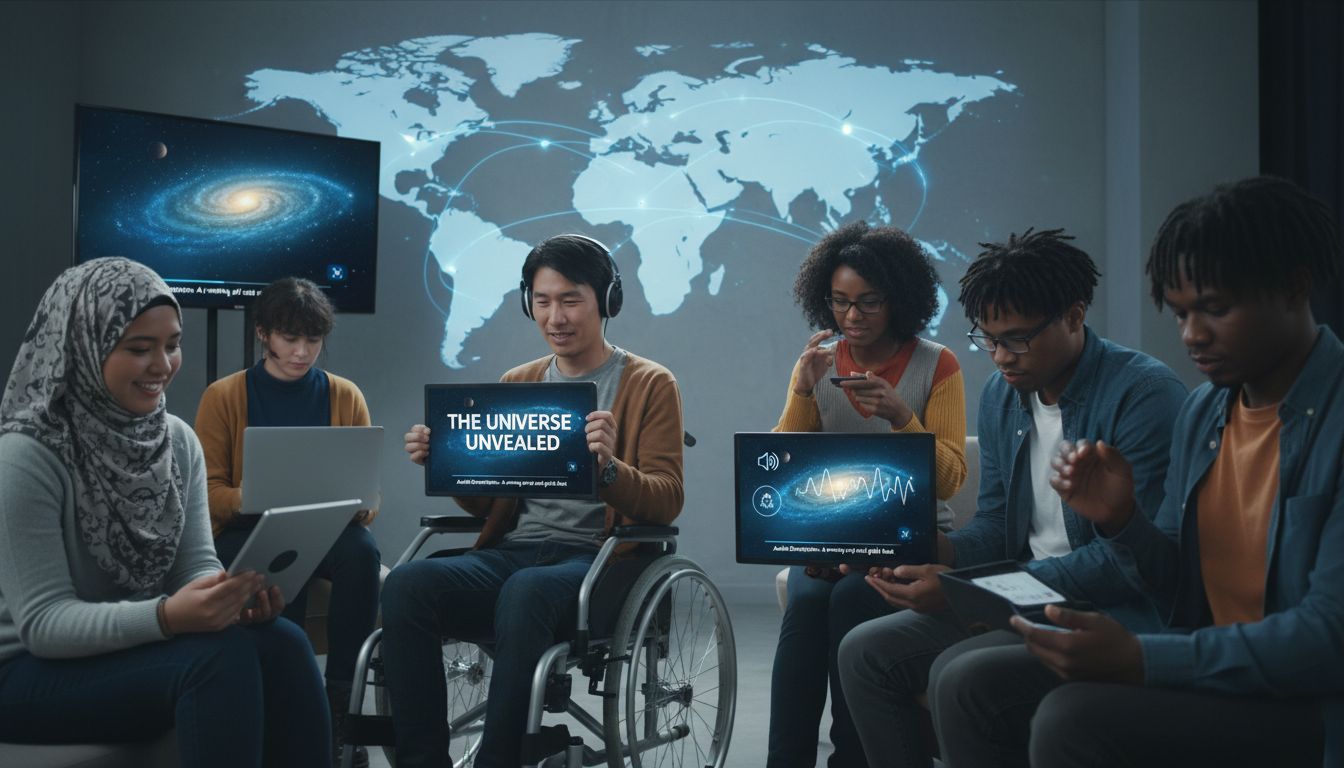
Accessibility practices ensure that content is usable by everyone, regardless of physical or sensory limitations. This includes providing accurate closed captions and subtitles for the hearing impaired, audio descriptions for the visually impaired, and ensuring clear, legible text overlays that meet WCAG (Web Content Accessibility Guidelines) standards. Integrating these features early in the production pipeline, rather than as an afterthought, is a hallmark of best practice, reflecting a commitment to inclusivity and broader reach.
Localization, on the other hand, involves adapting content to resonate authentically with specific cultural, linguistic, and regional audiences. This goes far beyond mere translation; it encompasses understanding local idioms, cultural references, sensitivities, and even visual preferences. A piece of content that performs brilliantly in one market might fall flat or even offend in another if not properly localized. For instance, when M&M works with international clients like Colgate & Pamolive or Bundaberg Beer, they navigate these nuances to ensure the message is universally understood and locally embraced.
Best practices for global localization include working with native speakers and cultural consultants, conducting thorough market research, and being mindful of visual metaphors, color symbolism, and even humor that may not translate universally. Agencies like M&M, with their deep understanding of the Vietnamese market and experience with diverse international clients, are uniquely positioned to advise on these crucial aspects. By prioritizing both accessibility and localization, brands can create truly inclusive and globally resonant stories, fostering deeper connections and ensuring their message reaches every corner of the world. This commitment transforms video into a powerful bridge, connecting diverse communities through shared experiences and understanding.
Conclusion: The Enduring Power of Story in a Digital Age
The state of video production in 2026 is defined by a thrilling confluence of technological advancement and an unwavering commitment to human connection. As we've explored, ethical AI usage, mobile-first cinematography, data-led creative decisions, and robust accessibility and localization practices are not mere trends, but the foundational pillars of effective video content. My journey through countless cultures and histories has consistently shown me that while the medium may evolve, the human desire for compelling narratives remains constant.
Technology, in its most powerful form, is a tool to amplify these narratives, to make them more immediate, more inclusive, and more impactful. It enables us to craft "inspirational and magical stories" that transcend geographical and linguistic barriers, touching hearts and minds across the globe. The ultimate goal, now more than ever, is not just to capture attention but to forge lasting connections, to evoke feelings, and to create experiences that resonate deeply with audiences.
M&M Communications stands at the forefront of this exciting evolution, embodying the very principles outlined in this guide. Their integrated approach, from strategic planning to asset production, ensures that every creative endeavor is optimized for today's complex digital landscape. By prioritizing customer service and consistently delivering solutions that "make you wonder," M&M helps brands build enduring relationships that go far beyond transactional exchanges. The future of video production is not just about what we can create with technology, but about how we can leverage it to tell stories that truly matter, fostering a world where every voice can be heard and every experience can be shared.