
White background product photography with proper lighting and clean composition is a fundamental requirement in ecommerce. However, images that are technically correct and visually clear may still fall short of driving purchasing decisions, especially when users scroll quickly and compare multiple options at the same time.
The issue is rarely about equipment or technique. It often lies in the inability of the image to help viewers visualize the product in real life. This is when many brands begin to ask: Should we incorporate models into product photography? And when is it truly effective?
Below are the situations where M&M Communications typically advises whether businesses should or should not use models in product photography.
1. Why product photography with models improves conversion rates
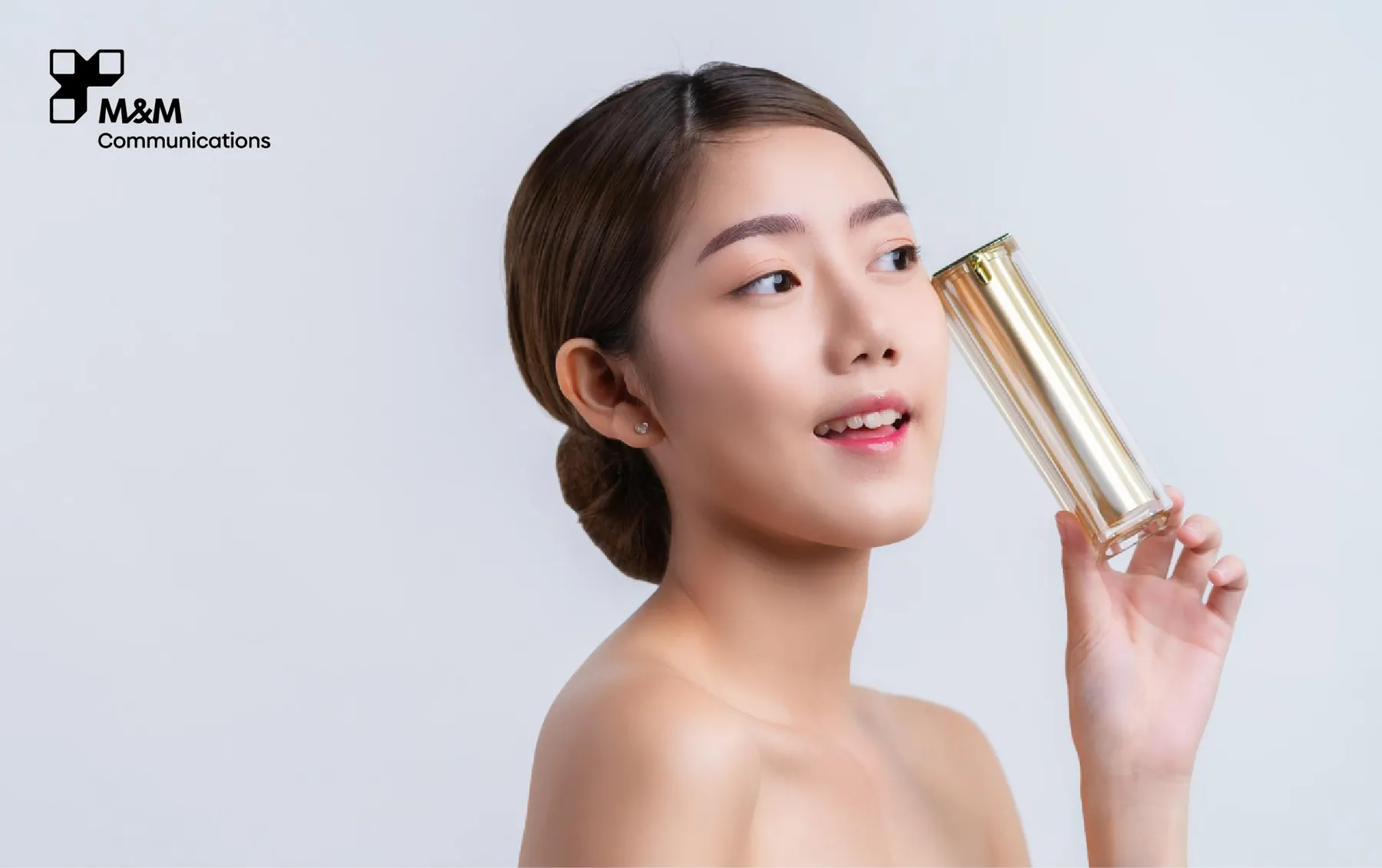
Packshot images clearly present product design, color, and details. Images featuring models, on the other hand, allow customers to see how the product is used, understand real life proportions, and imagine their own experience with it. This helps shorten the gap between viewing and purchasing.
For industries such as fashion, cosmetics, accessories, home goods, and lifestyle products, user experience plays a critical role. Customers care about how the product looks and also about how it feels and performs in daily use.
2. When businesses should use models?
When the product requires demonstration in real use
For categories such as fashion, cosmetics, or home appliances, visuals become more persuasive when customers see the product in action. Instead of leaving viewers to imagine, images should clearly present:
The fit and proportions when worn for fashion products
Texture and visible results on skin for cosmetics
How the product operates and the context of use for home appliances
When customers are required to visualize too much on their own, the likelihood of leaving the page or postponing the purchase decision increases.

When the brand aims to build a clear identity
Models can represent the target audience and help shape brand positioning. Images should clearly communicate the age group and lifestyle of the target segment, reflect brand personality through posing and facial expression, and present a setting aligned with product positioning.
This is particularly important for businesses investing in long term brand building across websites and social media platforms.

When the objective is to enhance advertising performance
In advertising, visuals must capture attention quickly and communicate messages clearly. Images with models create a more dynamic presence and increase the likelihood of stopping the scroll on digital platforms. When executed with a defined strategy, model based imagery can contribute to higher conversion rates and more efficient advertising spend.
3. Common mistakes that reduce conversion impact
Using models does not automatically lead to increased sales if there is no clear strategy. An unclear concept, styling that does not align with brand positioning, or compositions where the product is no longer the focal point can all reduce communication effectiveness.
An effective photo set requires clarity on who the product is for, the context in which it appears, and the objective it serves. Lighting, posing, and camera angles must be carefully controlled to ensure the product remains prominent and aligned with the intended message.
>>> Top 5 popular product photography concepts in 2026
4. Product photography services at M&M Communications
At M&M Communications, we develop product photography solutions based on business objectives rather than focusing solely on aesthetics. Visual content must support sales performance, not simply look appealing.
Our workflow includes:
Product and target audience analysis
Image strategy development aligned with sales goals
Concept planning aligned with brand positioning
Production and quality control
Image optimization for website, social media, and advertising
Conclusion
Incorporating models into product photography is a strategic decision that should be based on communication objectives and product characteristics. When executed effectively, visuals help customers visualize usage, build trust, and improve conversion rates.
If your business is investing in marketing but product images are not delivering proportional results, it may be time to implement a more structured visual strategy. M&M Communications is ready to support the development of professional photography solutions optimized for websites, social media, and advertising, with a clear focus on sustainable revenue growth.
>>> Professional product photography with M&M Communications