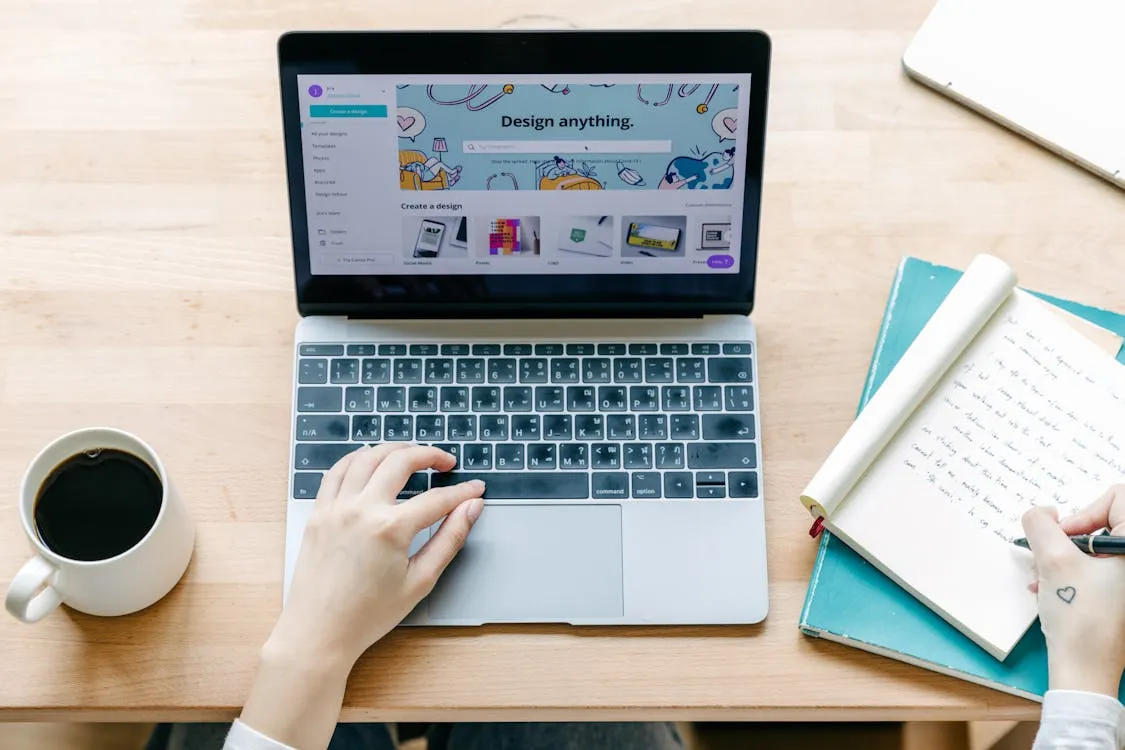
In today’s omnichannel business environment, a logo extends far beyond storefront signage or business cards. It appears across websites, social media platforms, e-commerce marketplaces, packaging, and digital advertising. Therefore, logo design must be developed with a multi-platform mindset from the outset to ensure brand consistency and flexible application across all touchpoints.
1. Prioritize simplicity for scalability
Logos are often displayed at very small sizes, such as Facebook avatars, TikTok profile images, or website favicons. Excessive detailing, complex typography, thin strokes, or heavy shadow effects can compromise clarity and recognition when scaled down.
Implementation guidelines:
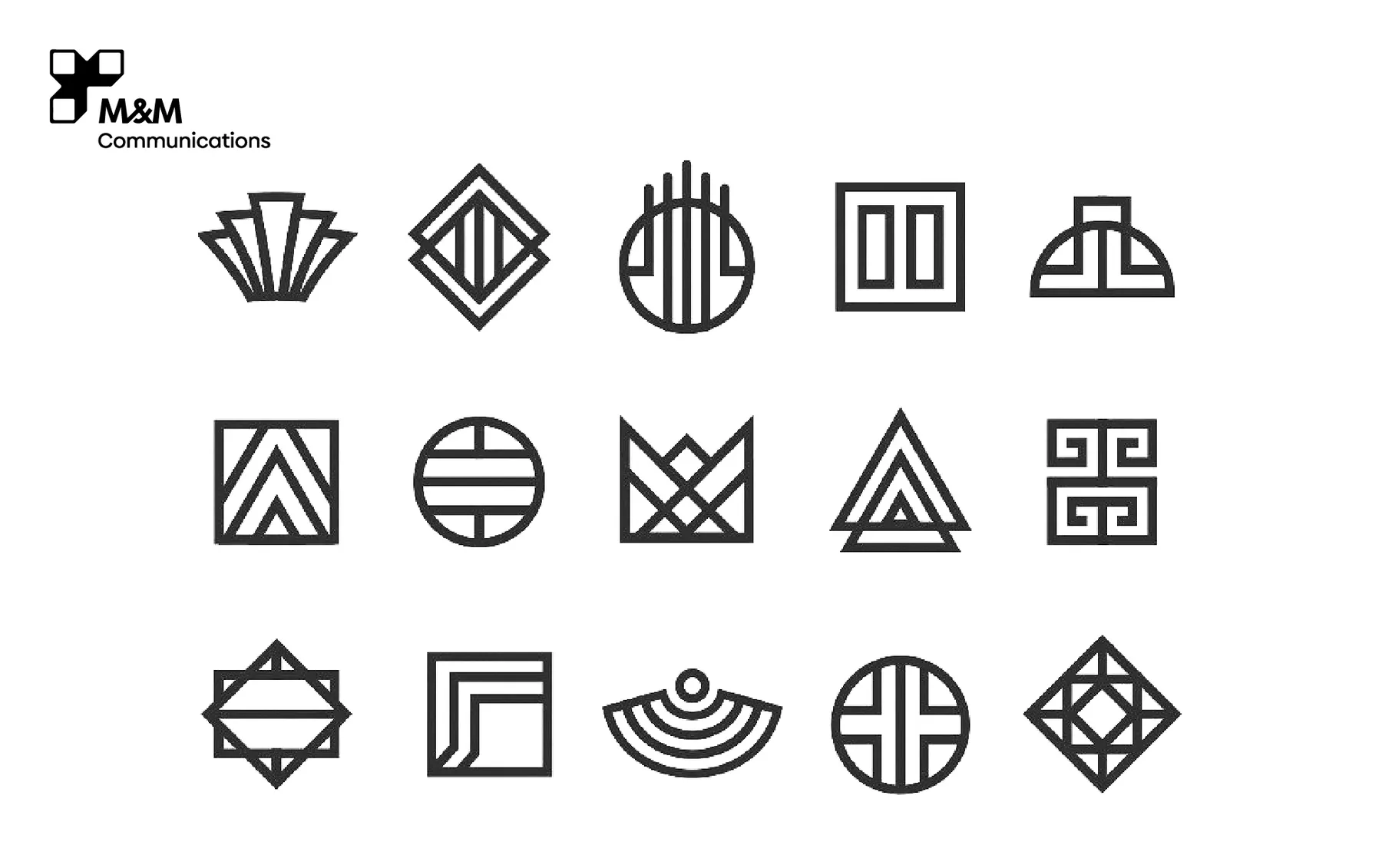
Use clean, well-defined shapes that are instantly recognizable
Avoid intricate details and ultra-thin lines
Select simple, highly legible typography
Maintain appropriate spacing for visual balance
2. Develop a comprehensive logo system
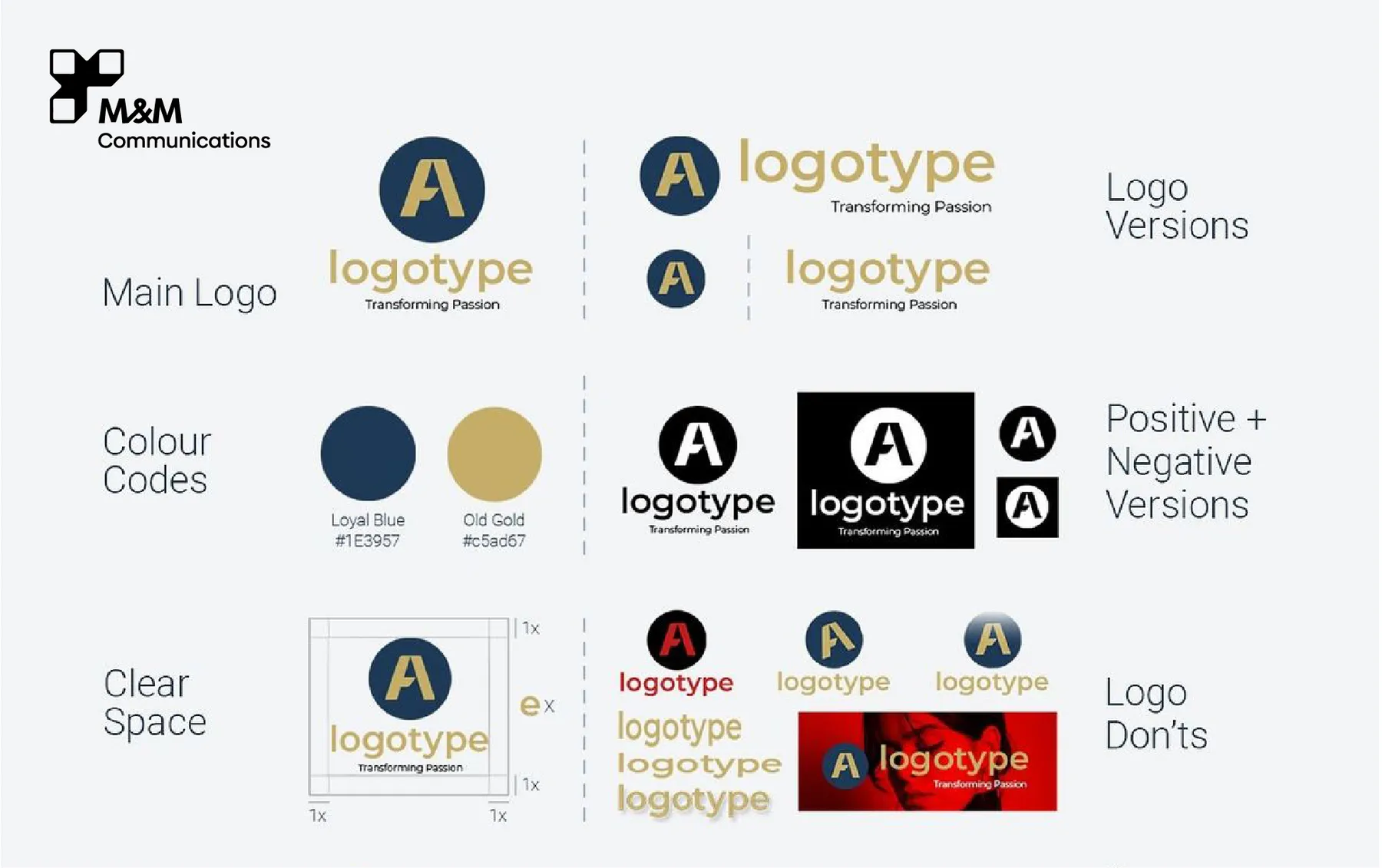
A professional logo should not exist as a single static version. In real-world applications, different platforms require different aspect ratios: horizontal banners, square avatars, vertical packaging layouts, and more.
A complete logo system should include:
Primary logo (full version)
Horizontal version
Vertical version
Simplified icon (logomark)
Black and white versions
Building a structured logo system enables businesses to apply their brand identity flexibly while maintaining visual consistency across channels.
3. Ensure strong visibility across backgrounds
Logos are rarely placed on plain white backgrounds. In digital campaigns and social media environments, logos frequently appear on brand-colored backgrounds, dark surfaces, or photographic imagery. Without properly prepared variations, visibility and contrast may be compromised.
Best practices:
Design versions optimized for light and dark backgrounds
Prepare a negative (inverted color) version
Test contrast levels on real photographic backgrounds
>>> 5 common mistakes in logo design and how to avoid them
4. Standardize files for print and digital latforms
Many businesses receive only low-resolution PNG files. When large-scale printing is required for backdrops, signage, or packaging, the logo becomes pixelated and must be recreated.
Essential file deliverables include:
Vector files (AI, SVG, PDF) for unlimited scalability without quality loss
Transparent PNG files for digital applications
Standardized color systems: RGB (digital) and CMYK (print)
Minimum size usage specifications
Standardization from the beginning reduces redesign costs and ensures consistent brand presentation across all media.
5. Test real-world applications before final approval
A logo that looks appealing in a design file may not perform effectively in practical environments. Testing across various use cases helps identify issues related to proportion, visibility, and brand recognition before official delivery.
Recommended test applications:
Desktop and mobile website interfaces
Social media profile images
Product packaging
Digital advertising banners
Event standees or backdrops
Real-world testing ensures the logo maintains impact and recognizability in diverse contexts.
6. Multi-platform logo design with M&M Communications
At M&M Communications, logo design is approached from a strategic brand perspective rather than purely aesthetic considerations. An effective logo must deliver strong recognition, adaptability, and consistent performance across all communication platforms.
Clients receive:
A complete logo system with application-ready versions
Standardized vector files for print and digital use
Defined color codes, proportions, and safe area guidelines
Comprehensive logo usage instructions within the brand guideline
Our objective is to build a sustainable brand identity foundation that supports long-term marketing growth and maintains a professional image across every platform.
>>> Professional logo design 2025: Creating a memorable brand symbol and making an impact