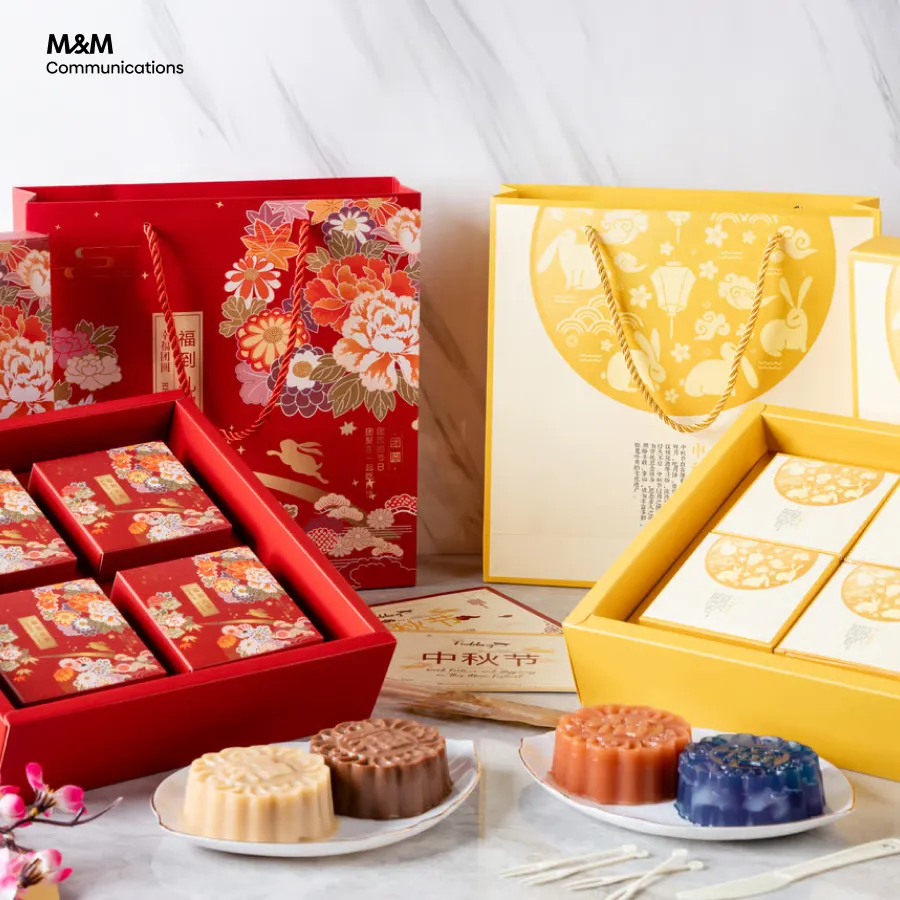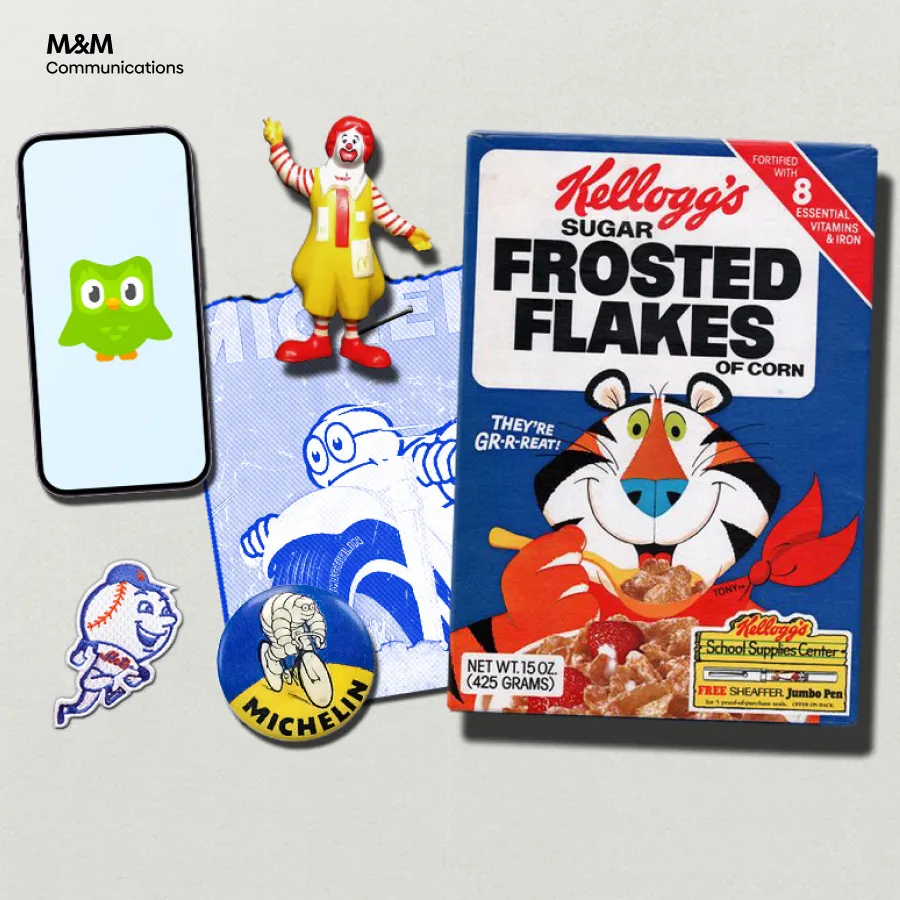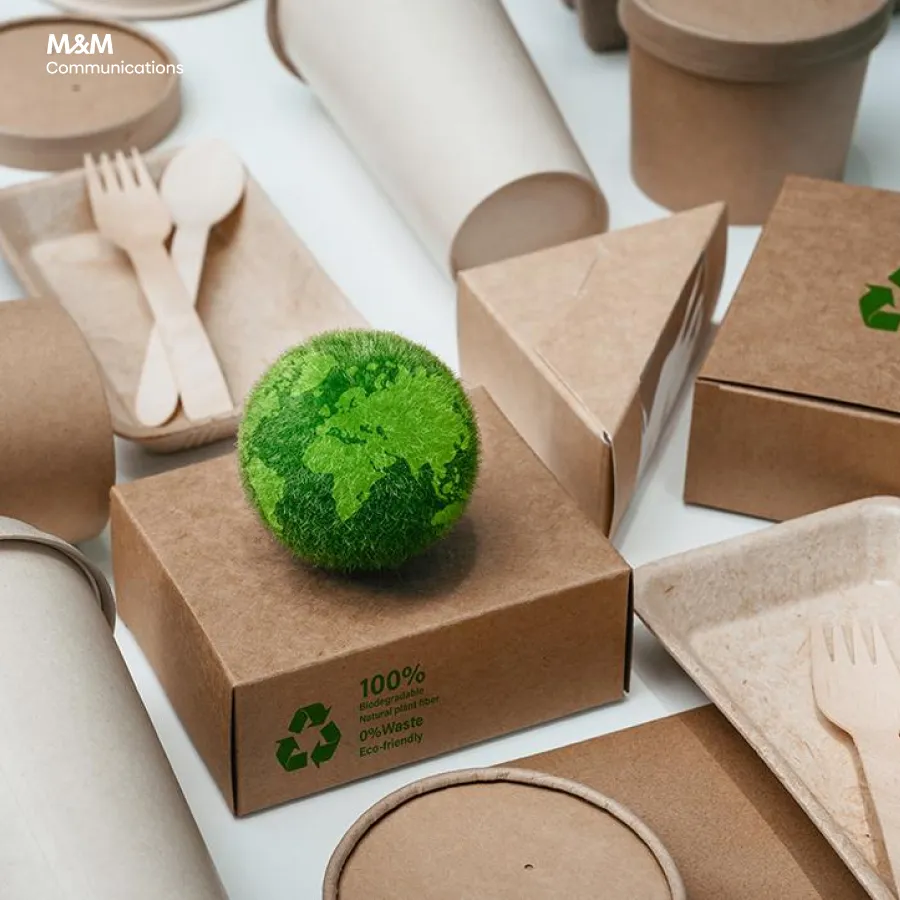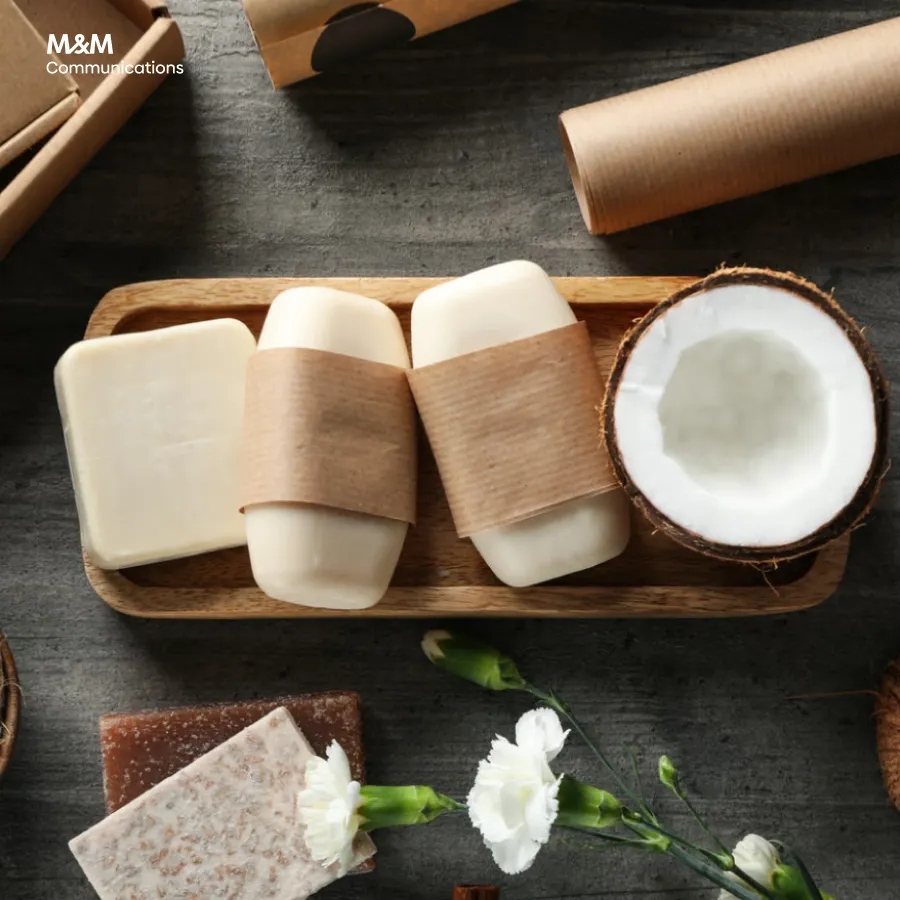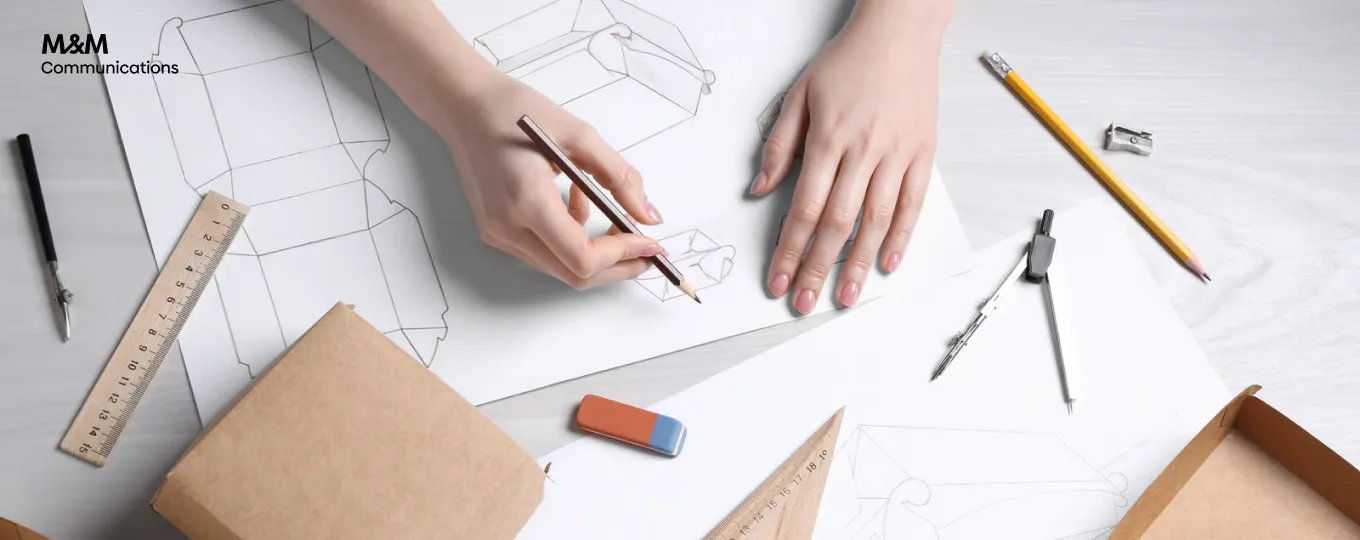
For a new brand, packaging is not just an outer shell but the way a product "introduces" itself to the consumer. In many cases, this is the first touchpoint before customers even delve deeper into the internal quality.
When there is no existing brand recognition, packaging plays the role of conveying the message, positioning, and creating a first impression on behalf of the brand. Therefore, packaging design needs to be carefully considered from the start to avoid discrepancies that could affect the subsequent development process.
1. Clearly define brand positioning before starting the design
One of the most common mistakes is starting a design based on visual inspiration without clearly defining what the brand is aiming for. When positioning is lacking, packaging may be beautiful but not "right," making it difficult to connect with the target customers.
Before diving into design, a business needs to clarify which segment the product belongs to, who the target audience is, and what perception they want to create. The packaging of a luxury brand will be presented differently than a mass-market product, not only in color but also in materials and the way information is displayed.
When positioning is clearly defined, the design process will have a more specific direction, avoiding frequent changes or a lack of consistency.
2. Packaging design must align with user behavior and context of use
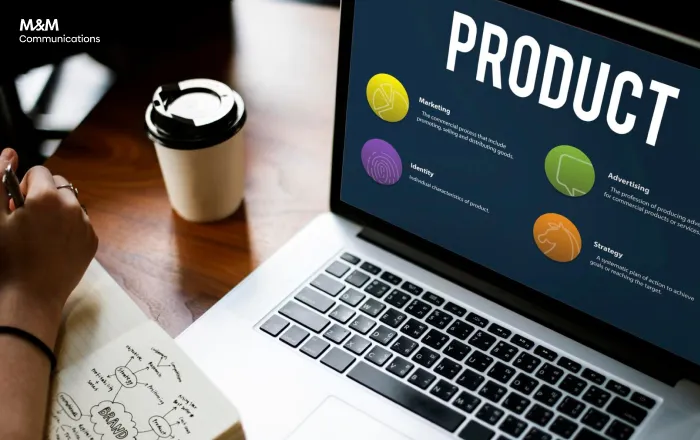
Packaging is not just for looking at, but must be used in real life. An effective design needs to consider how users interact with the product, from gripping and opening the box to storage after use.
If this factor is ignored, packaging can be inconvenient, regardless of how attractive the exterior looks. For example, designs that are difficult to open, inappropriate sizes, or unclearly presented information can all negatively affect the user experience.
For new brands, creating a convenient experience from the start helps form a positive impression and increases the likelihood of customer return.
3. Ensure visibility on shelves or online platforms
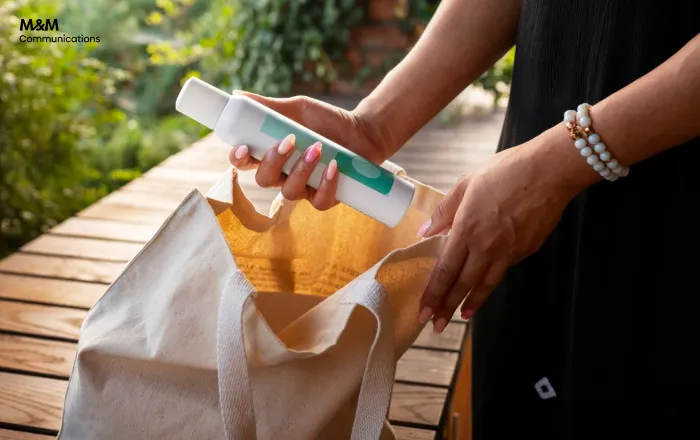
In a highly competitive environment, packaging needs to be distinct enough to attract attention in a very short amount of time. This is even more important for new brands that have not yet established familiarity in the minds of consumers.
Design needs to be considered in a real-world context, such as when placed next to competing products on a shelf or displayed as a thumbnail on e-commerce platforms.
Colors, typography, and layout should be chosen to ensure they are easily recognizable and memorable, while still remaining consistent with the brand positioning. A design that is too safe can cause the product to "blend in," while a design that is too complex may be difficult to approach.

>>> Applying AI to Key Visual Design
4. Building a packaging system with future scalability
For a new brand, products may not be diverse in the initial stage. However, packaging design must account for the ability to expand as the business develops new product lines.
Without a clear system, each product might have a different style, leading to a lack of consistency in brand identity. This makes it difficult for customers to recognize the connection between products within the same system.
A good packaging design should be flexible, allowing for changes in color, information, or identification details while still maintaining the overall spirit of the brand.
Packaging Design with M&M Communications
At M&M Communications, packaging is not designed as a standalone element but as part of the overall brand identity system.
We begin by clearly understanding the positioning, target customers, and actual usage context, from which we develop an appropriate design concept. Packaging is built with flexible applicability, ensuring it is both visually attractive and effective in use.
With a methodical approach, the packaging not only helps the product stand out but also supports the brand's long-term sustainable growth.
Conclusion
Packaging design for a new brand is not just a matter of imagery, but also concerns strategy and user experience.
When invested in correctly from the start, packaging becomes a tool that helps the brand create an impression, build recognition, and connect with customers more effectively.