In an increasingly competitive market, creating a unique imprint in the minds of customers is a challenge for every brand. Beside logos, colors, or slogans, many businesses today choose mascots as a tool to help the brand become more approachable, recognizable, and emotionally resonant.
From food, education, to technology and service brands, mascots are appearing more frequently in communication campaigns and identity systems. So, what role do mascots play in the process of modern branding?
1. What is a mascot?
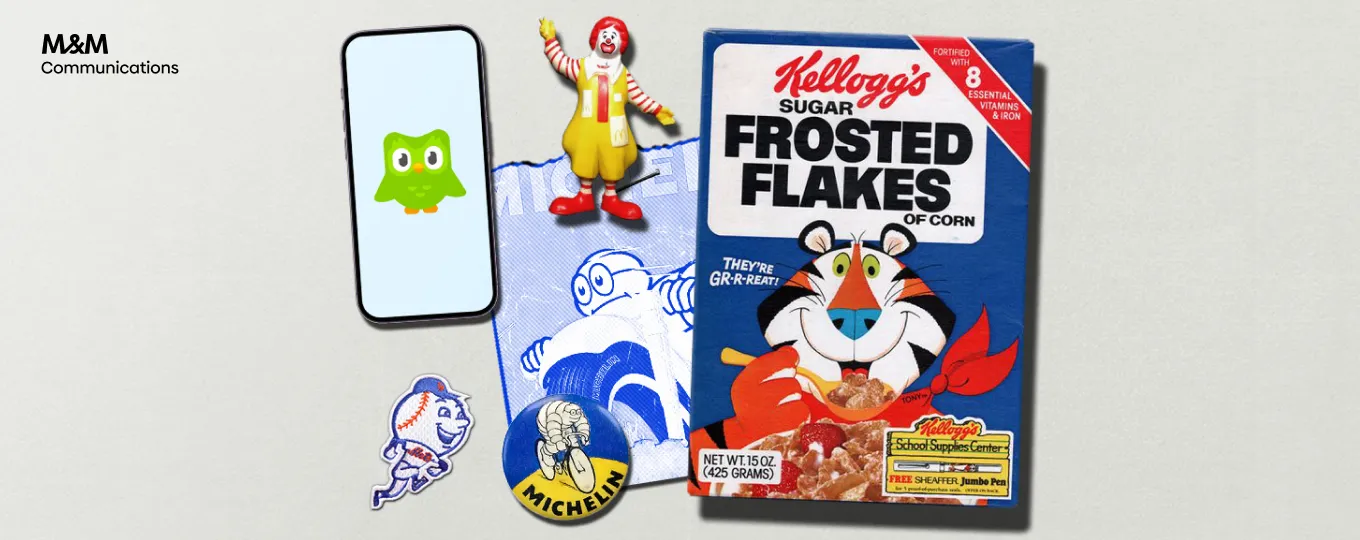
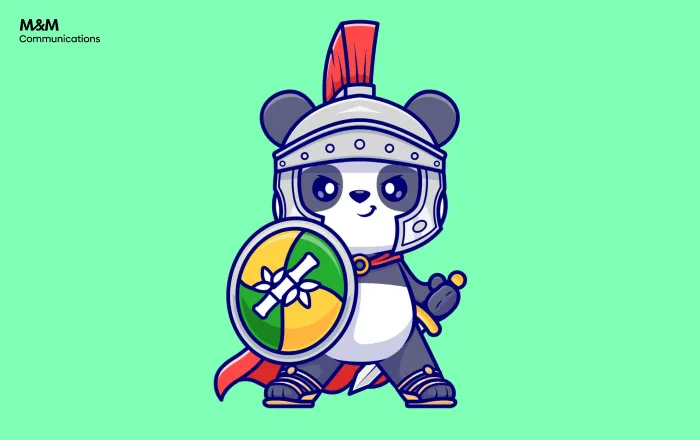
A mascot is a character representing a brand, built based on the image of a human, animal, mythical creature, or specifically created characters.
Unlike logos, which are symbolic, mascots often have their own personality, expressions, and stories, helping the brand communicate with customers more vividly.
An effective mascot typically reflects:
The core values of the brand
The brand personality
The message to be conveyed
Differentiation from competitors
When systematically developed, a mascot can become a valuable long-term brand asset.
2. Making the brand more memorable
People tend to remember images and characters faster than theoretical or descriptive information.
A mascot with a unique design will help customers:
Easily identify the brand
Remember the brand longer
Create an emotional connection with the product or service
Increase market awareness
Especially in the digital environment, where users are exposed to hundreds of pieces of content every day, a mascot can be the factor that helps a brand stand out from the crowd.
>>> 10 essential elements of a professional brand identity system
3. Increasing the ability to connect emotionally with customers
One of the greatest values of a mascot is the ability to provide a sense of closeness and friendliness.
Through expressions, actions, and appearances in communication content, a mascot helps the brand communicate more naturally than traditional identity elements.
This is particularly effective for:
Brands for children
The food and beverage industry
Education
Retail
Community-oriented brands
When customers feel a fondness for a mascot, they are also more likely to develop an affection for the brand behind it.
4. Create consistency across multiple brand touchpoints
Mascots can be flexibly applied across various platforms such as:
Product packaging
Website
Social media
Advertising videos
Events
POSM
Brand gifts
Consistent appearance helps the mascot become a familiar part of the customer experience, thereby strengthening the brand image over time.
Additionally, mascots help businesses build storytelling-based communication campaigns, adding more depth to the brand.
5. Mascots in modern branding trends
Nowadays, customers are not only interested in products but also want to interact with brands that have a clear personality and are approachable.
Mascots help businesses:
Visually express brand identity
Increase interaction on digital platforms
Create more vivid communication content
Building a loyal customer community
Especially on social media platforms, a mascot can become a consistent representative character for communication campaigns, contributing to the brand's differentiation.
However, a mascot is only effective when developed based on a clear brand strategy and is suitable for the target audience.
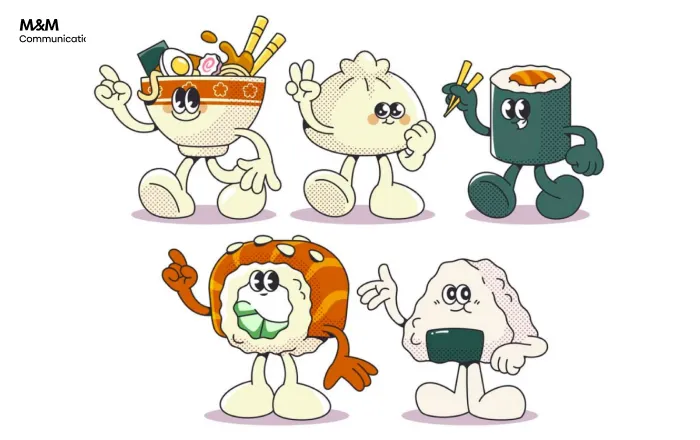
Designing brand mascots with M&M Communications
At M&M Communications, we support businesses in creating mascots based on brand positioning, core values, and communication goals.
The mascot development process does not stop at visual design but also includes building a personality, a story, and application guidelines across communication platforms to ensure consistency within the brand identity system.
A professionally invested mascot can become a bridge that helps the brand leave a deeper impression in the minds of customers.
Conclusion
In a context where brands increasingly need differentiation and the ability to emotionally connect with customers, mascots are becoming a preferred identity tool for many businesses.
Not only helping to increase memorability, a mascot also helps convey brand personality, build familiarity, and create consistent experiences across multiple touchpoints. When developed based on a clear brand strategy, a mascot can become a valuable asset that accompanies the business throughout its long-term development process.
>>> 7 effective ways to apply brand identity to social media