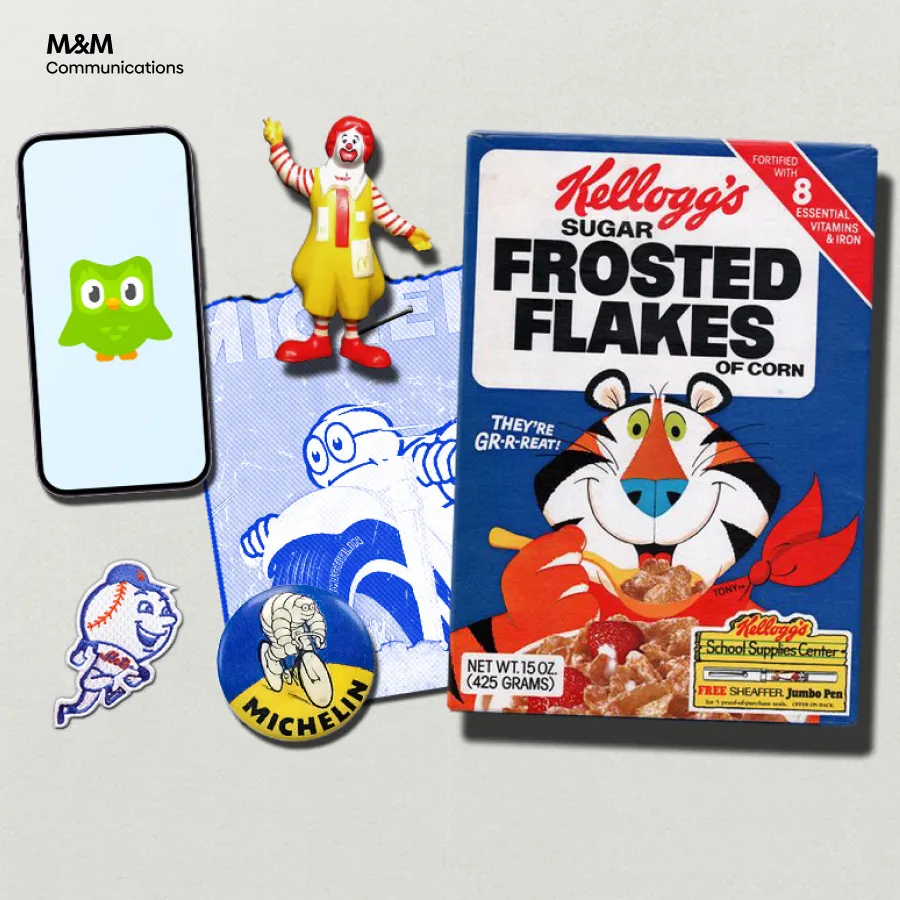
A logo may look impressive on a design draft, but when put into practical use, it doesn't always maintain its initial effectiveness. From phone screens and product packaging to printed materials, every touchpoint imposes different requirements regarding size, color, and visibility.
Therefore, the value of a logo lies not only in its aesthetic elements but also in its ability to adapt to various usage contexts. Without flexibility, a logo can easily become difficult to read, inconsistent, and negatively impact the brand identity experience.
Understanding this is a crucial step for businesses to build an identity system that is both beautiful and operates effectively in reality.
1. A logo is more than just a visual element
In many cases, logos are designed with a focus on aesthetics but are not sufficiently calculated for practical use. Small details, complex lines, or inflexible color schemes may look impressive on a design draft, but they may no longer be effective when applied to different formats.
For example, when scaled down for a social media avatar, a logo may lose detail. When printed on packaging or special materials, the colors may not remain true to the original. These issues reduce the logo's recognizability, even if it was beautifully designed initially.
Therefore, an effective logo needs to be designed with a usability mindset. It must be simple enough to remain clear when scaled down, yet retain its distinctiveness when appearing in large sizes.
2. High versatility helps maintain brand consistency
A brand is built through controlled repetition. The logo plays a central role in the identity system; therefore, if its use is inconsistent, the entire brand image will become fragmented.
When a logo lacks appropriate versions for each platform, implementation teams often have to adjust it themselves for specific cases. This easily leads to deviations in color, proportion, or layout. In the long run, this lack of synchronization reduces user recall and affects brand recognition.
Conversely, a highly versatile logo is usually accompanied by clear guidelines, ensuring that every touchpoint remains unified. This consistency contributes to building a professional image and creating trust with customers.
>>> 5 common mistakes in logo design and how to avoid them
3. Logos must adapt to multiple platforms and materials
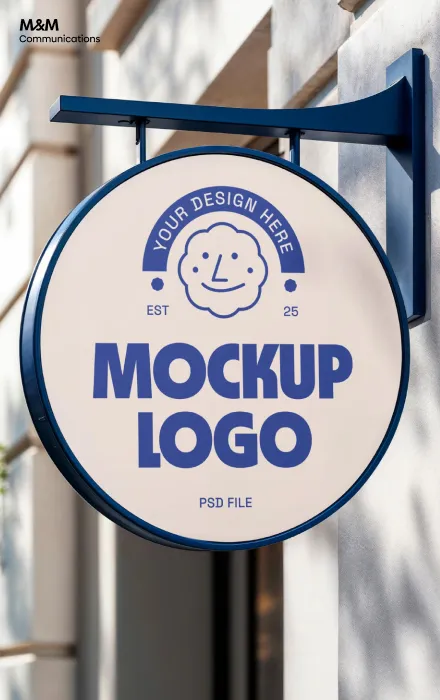
In today's context, logos do not only appear on traditional publications but are also present across various digital platforms and different materials. From websites, social networks, and videos to packaging, fabric, metal, or plastic, each environment has its own display requirements.
If not designed for adaptability, a logo may encounter issues with proportions, contrast, or recognizability when transitioning between platforms. For example, a logo that only fits a horizontal layout may become ineffective when it needs to be used in a square or vertical space.
Therefore, a highly applicable logo is usually developed into multiple flexible versions, including variations in layout, color, and size. This ensures the logo always displays clearly and maintains the brand spirit in every usage situation.
4. Optimizing costs and long-term implementation efficiency
A logo that lacks applicability often leads to many additional expenses during use. Businesses may have to constantly edit, create additional versions, or re-process design files to fit specific platforms.
This not only increases costs but also affects the progress of communications and marketing activities. When the logo usage process becomes complicated, operational efficiency is also significantly reduced.
Conversely, a logo built with high versatility from the start will make the implementation process smoother and more consistent. Businesses can use it flexibly across multiple platforms without needing extensive adjustments, thereby optimizing both costs and long-term efficiency.
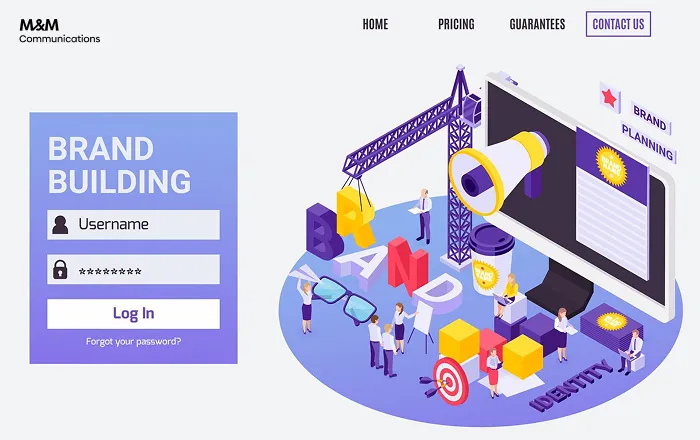
Build a highly versatile logo with M&M Communications
At M&M Communications, logos are not designed solely for visual impression but are placed within the context of practical use. Every project begins by determining how the logo will appear across different platforms, from digital to print and production.
Based on this, we build a logo system with multiple flexible versions, ensuring clear visibility and consistency under all conditions. When a logo can adapt well, the brand also has a firmer foundation for long-term growth.
Conclusion
An effective logo lies not only in its appearance but also in its ability to be used consistently throughout the brand journey.
By possessing a highly versatile logo, businesses can maintain consistency, optimize operations, and build a professional image over time.
>>>> >Logo redesign: when should it be done and how to do it correctly?