
When producing product videos, many businesses ask the same question: should we shoot horizontally or vertically?
In many cases, brands make this decision based on instinct, habit, or simply because “others are doing it.”
However, in today’s multi-platform digital landscape, video aspect ratio directly impacts reach, viewer experience, and conversion performance. Choosing the wrong format can result in visually appealing videos that fail to deliver real results.
Let’s explore with M&M Communications when to use horizontal video, when vertical video works best, and how businesses can make the right choice strategically.
1. Horizontal Video (16:9) - When Is It the Right Choice?
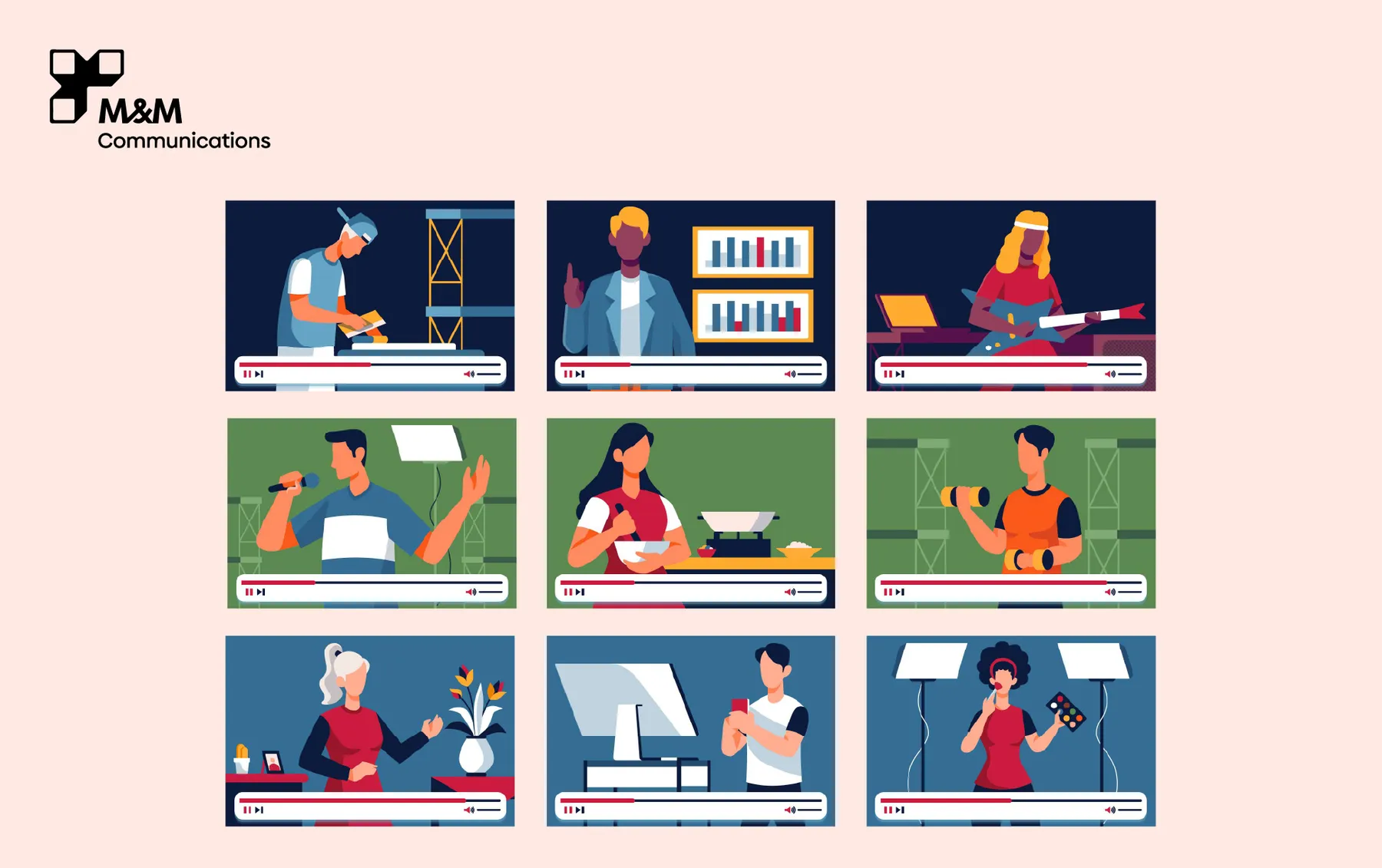
For many years, horizontal video has been the standard format for TV commercials, corporate videos, and YouTube content.
Advantages of Horizontal Video
Wide viewing angle, ideal for storytelling
Suitable for environmental shots and multiple subjects
Optimized for large screens, websites, and TVs
Use horizontal video when:
Producing TVCs or corporate introduction videos
Filming events, documentaries, or brand films
Creating content for conferences, exhibitions, or presentations
Developing long-form, narrative-driven content
Horizontal video delivers a cinematic, professional feel and is well-suited for long-term branding campaigns.
2. Vertical Video (9:16) - The Optimal Choice for Social Media
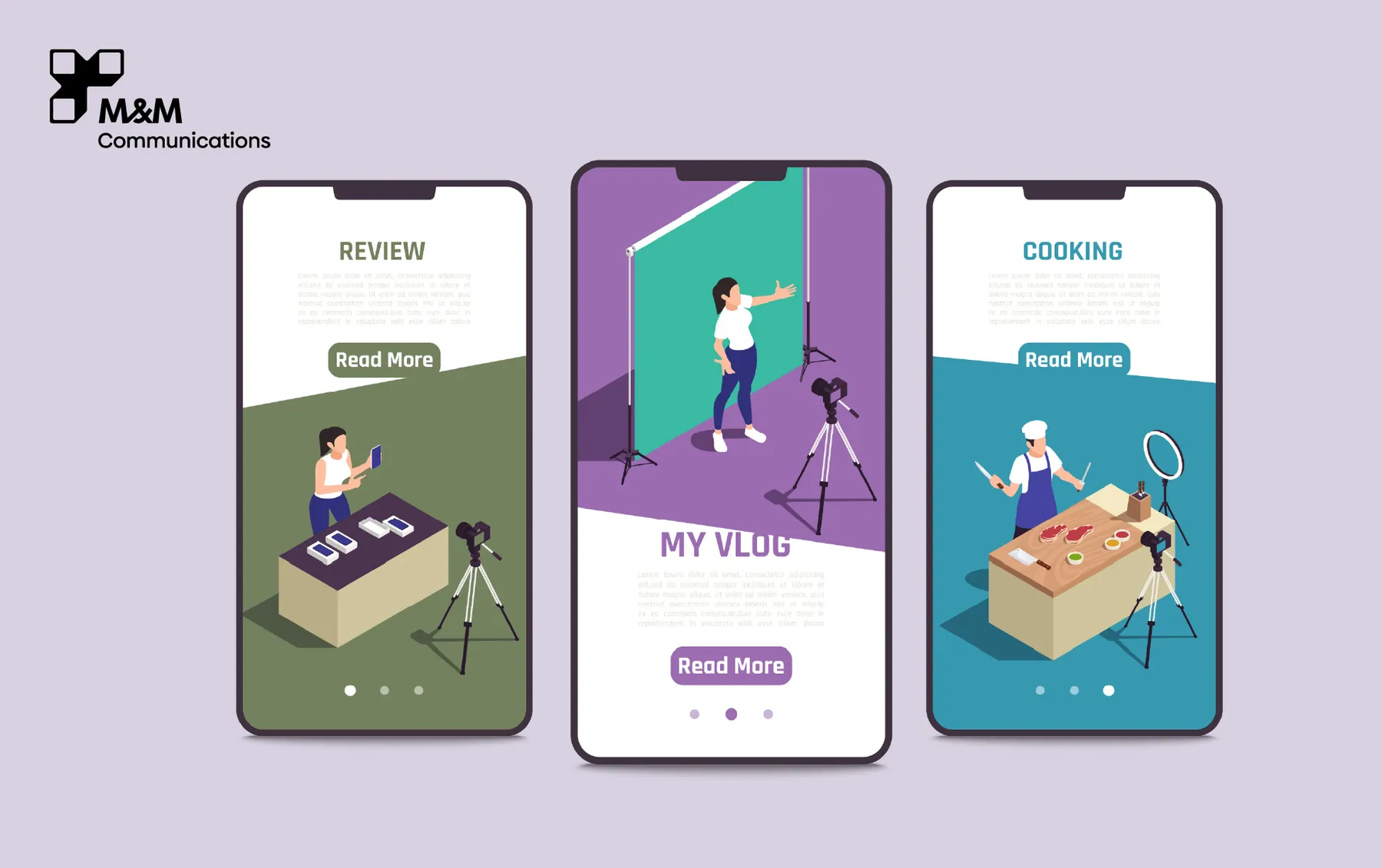
The rise of TikTok, Instagram Reels, and YouTube Shorts has made vertical video the dominant format for mobile-first platforms.
Advantages of Vertical Video
Full-screen mobile experience
Higher viewer focus and completion rates
Matches fast-scrolling user behavior
Use vertical video when:
Producing short product videos
Running social media ads
Creating quick reviews or tutorials
Leveraging trends and real-time content
Vertical video removes friction by eliminating the need for viewers to rotate their devices, improving accessibility and engagement.
3. Don’t Choose the Format Based on Preference - Choose Based on Objectives
A common mistake businesses make includes:
Shooting horizontal videos and cropping them vertically later
Using one video for all platforms
Ignoring viewer behavior and platform requirements
In reality, marketing objectives should determine the video format:
Long-term branding → horizontal
Sales and performance marketing → vertical
Multi-platform distribution → flexible, strategic filming
>>> 5 Camera Angles To Make Your Product Videos Look As Professional As Commercials
4. The Optimal Solution: Multi-Format Planning from the Start
Instead of filming in a single format and adjusting later, businesses should:
Plan scripts for both horizontal and vertical formats from the beginning
Use safe-frame techniques during filming
Produce multiple video versions for different platforms
This approach helps:
Preserve visual quality
Protect key compositions
Maximize content performance across channels
5. Modern Product Videos Must Align with Viewer Behavior

In 2026 and beyond, product videos must be:
Platform-appropriate
Aligned with content consumption habits
Clearly tied to marketing objectives
Choosing the wrong aspect ratio can lead to:
Cropped or lost information
Lower watch rates
Wasted production and advertising budgets
6. M&M Communications: Strategic Aspect Ratio Consultation
At M&M Communications, we don’t start with the question “horizontal or vertical.” Instead, we begin with:
Campaign objectives
Distribution platforms
Target audiences
Viewer journey
From there, our Production and Creative teams develop:
Format-specific scripts
Multi-platform filming strategies
Tailored video versions for each use case
Conclusion: Don’t Decide Video Format by Instinct
There is no absolute right or wrong between horizontal and vertical product videos, only what best serves your goals.
By applying strategic thinking from the production stage, businesses can:
Optimize budgets
Maximize communication effectiveness
Ensure videos deliver their full value
If you’re uncertain about the right video format for your product, M&M Communications is ready to consult and deliver the most effective solution for your brand.
>>> Product Video: The Rising Trend To Boost Engagement And Sales