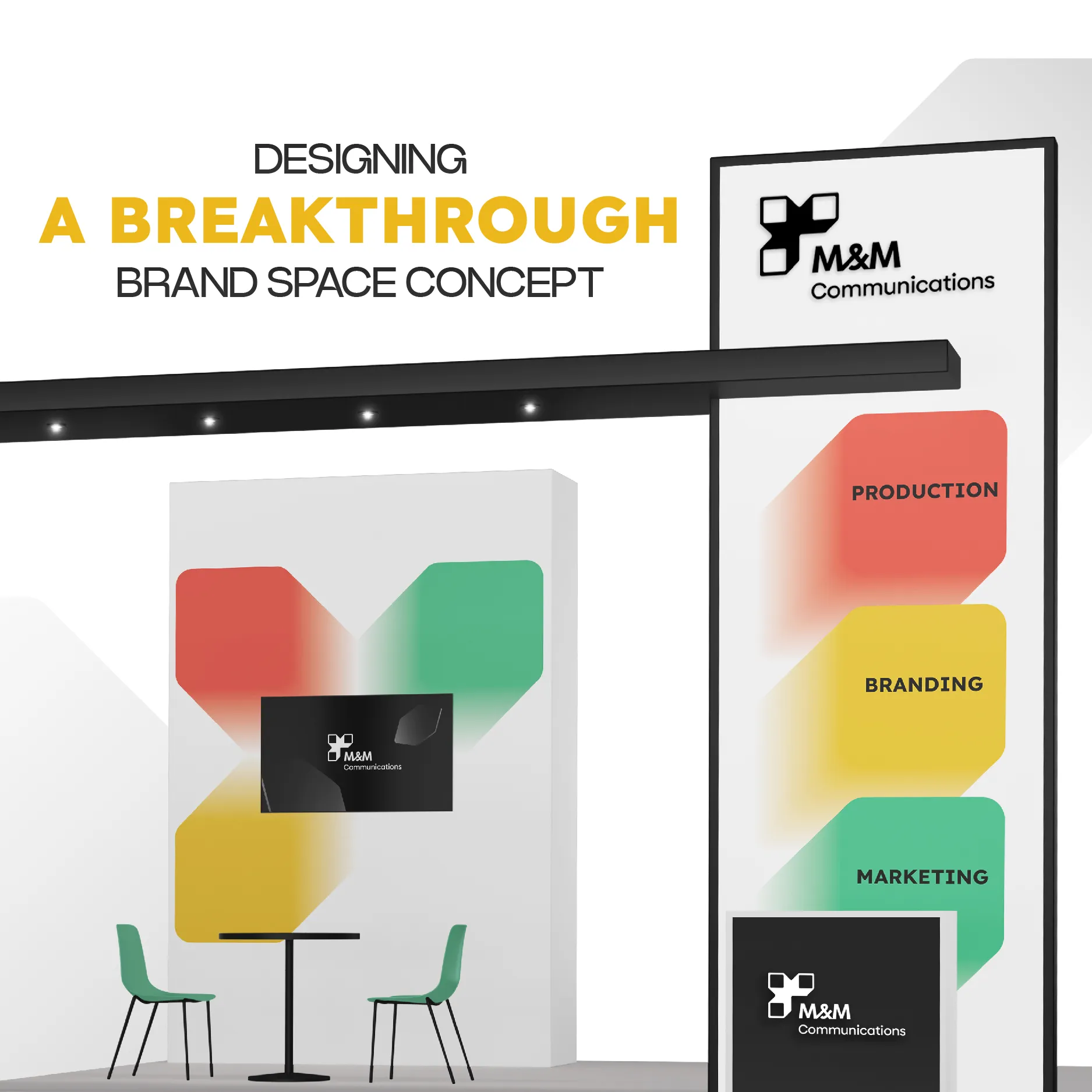
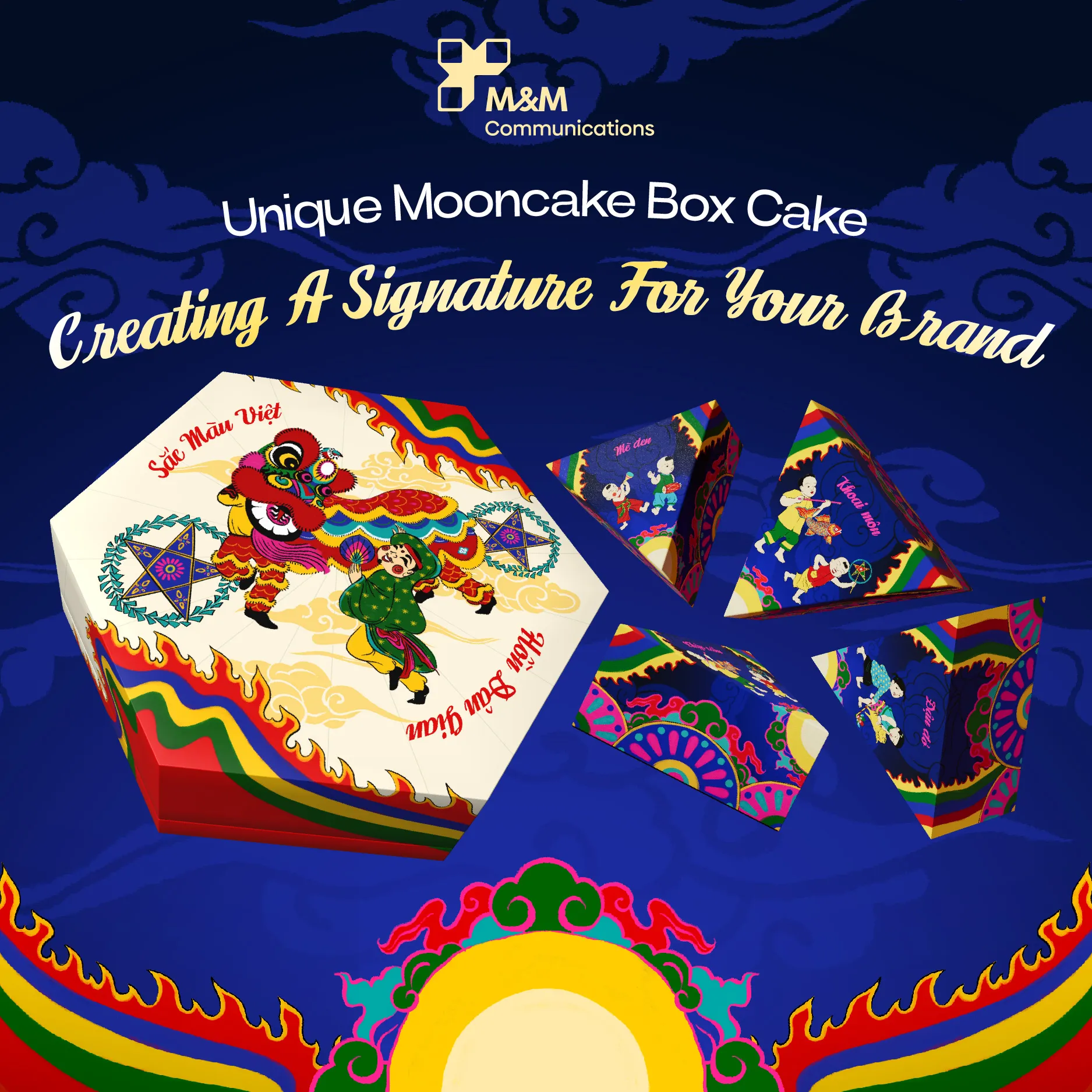
In today’s highly competitive market, a brand identity is not just about a logo or color palette; it represents how a brand communicates its personality, values, and professionalism to customers. A well-structured brand identity helps businesses increase brand recognition, build trust, and grow sustainably.
So what does a professional brand identity development process look like? Let’s explore the complete A–Z journey with M&M Communications.
What Is Brand Identity?
Brand identity is a system of visual and verbal elements that enables a brand to:
Be easily recognized
Clearly express its positioning and personality
Remain consistent across all touchpoints
It typically includes:
Logo
Brand color palette
Typography
Key visuals
Imagery, icons, layouts
Applications across marketing and communication channels
Step 1: Brand & Market Research
Before any design begins, it’s essential to understand:
Vision, mission, and core values
Target audience
Industry landscape and competitors
Business and communication objectives
This foundation ensures the brand identity is strategic and distinctive.
Step 2: Define Brand Positioning & Personality
Businesses need to answer:
What does the brand stand for?
How should customers perceive it?
Is the brand modern, premium, friendly, or creative?
This step establishes:
Brand personality
Tone of voice
Core messaging
A clear brand personality gives design its “soul.”
Step 3: Logo Design – The Heart of Brand Identity
A professional logo should be:
Memorable and recognizable
Relevant to the industry
Flexible across multiple platforms
This includes:
Primary logo
Secondary logo
Monochrome and inverted versions
A strong logo is simple yet meaningful.
>>> 5 Common Mistakes In Logo Design And How To Avoid Them
Step 4: Develop Brand Colors & Typography
Brand Colors
Convey emotions and brand character
Create visual consistency
Adapt well to both print and digital use
Typography
Align with brand personality
Easy to read
Include primary and secondary fonts
Step 5: Create Key Visuals & Graphic System
Key visuals act as the brand’s visual language, including:
Image layouts
Patterns and icons
Photography and illustration style
This system helps the brand stand out while maintaining consistency.
Step 6: Apply the Brand Identity in Practice
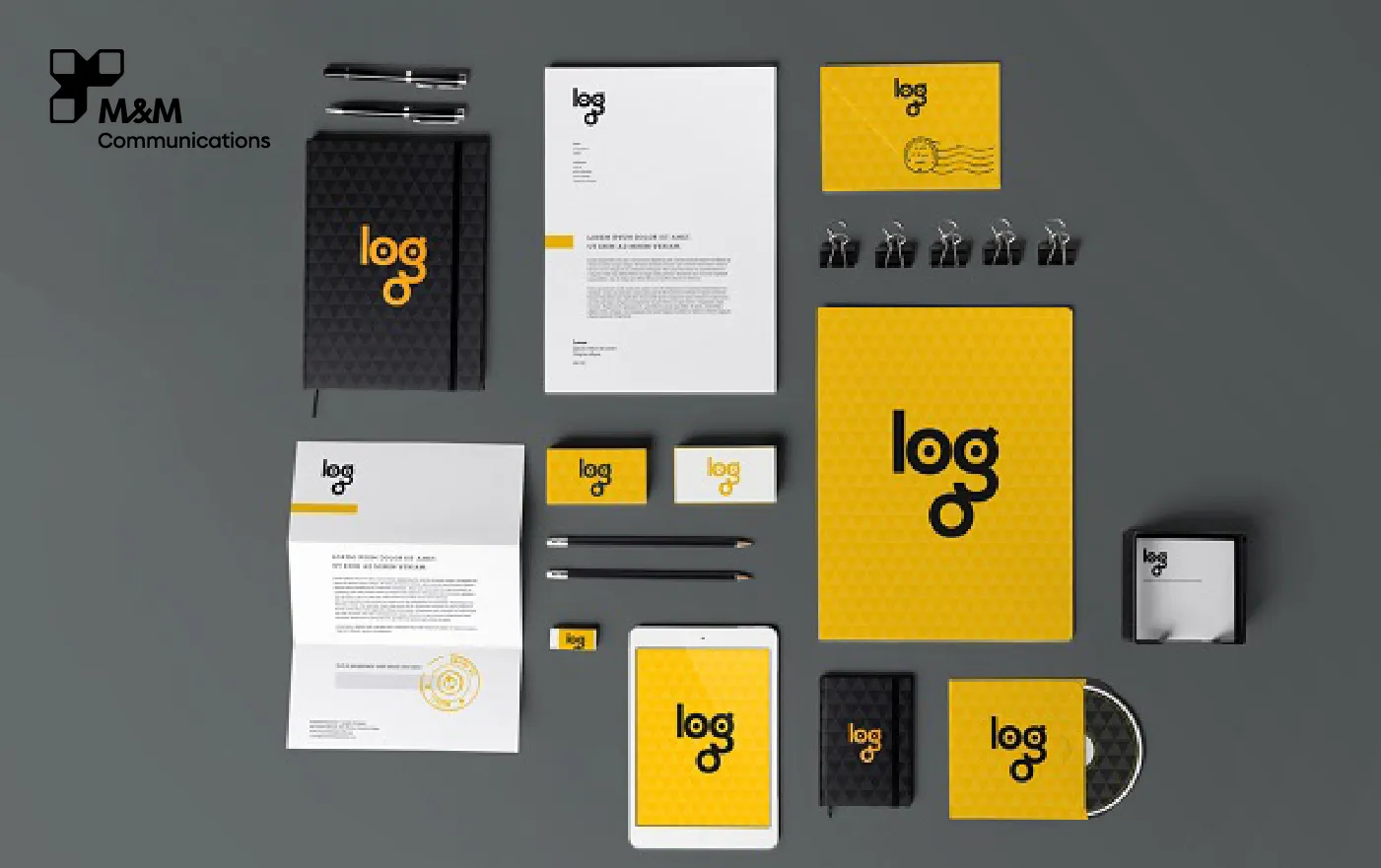
A brand identity should be implemented across:
Business cards, brochures, and company profiles
Website and social media platforms
Product packaging
Uniforms, POSM, and advertising materials
Proper application ensures a cohesive and professional brand presence.
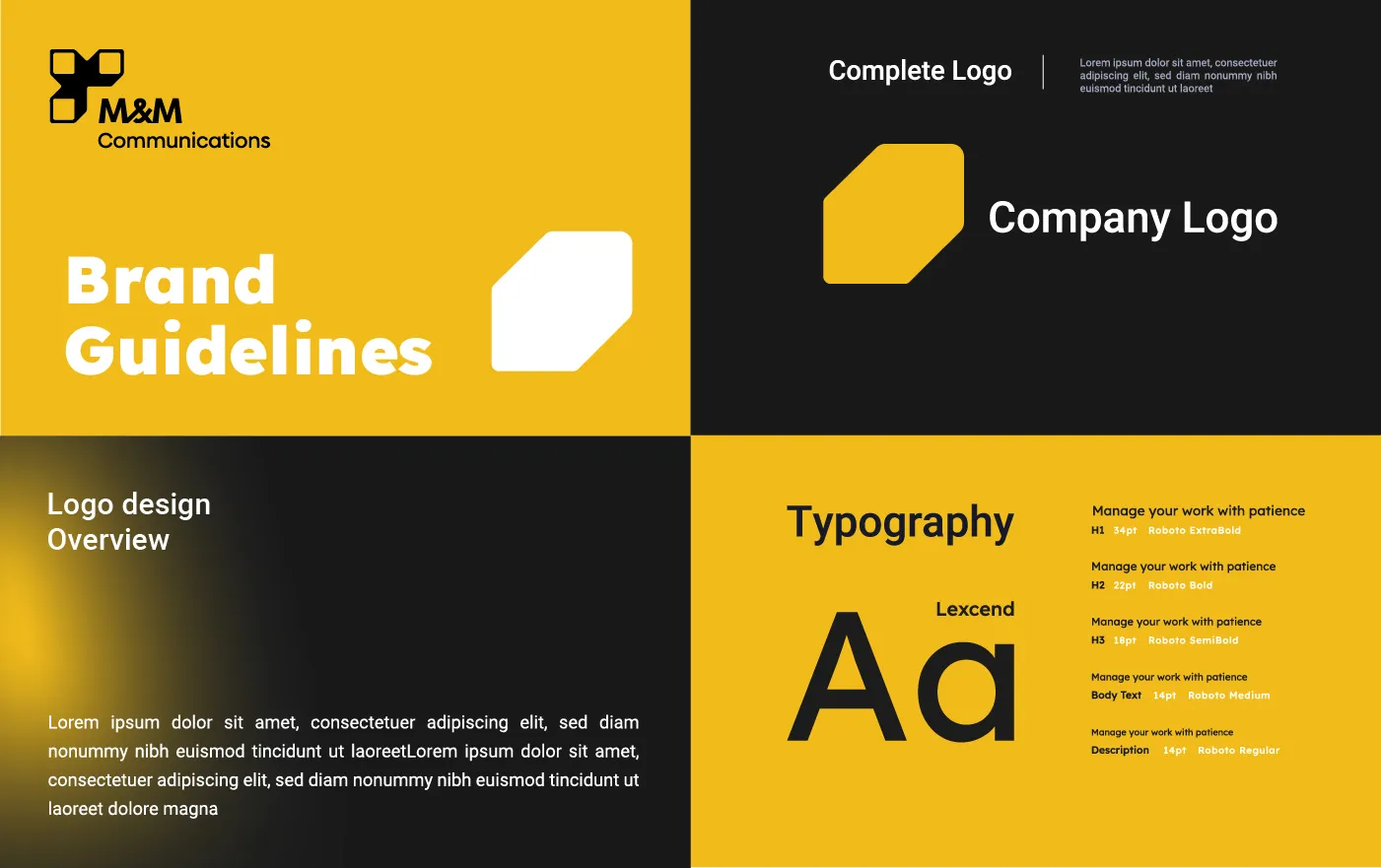
Step 7: Develop Brand Guidelines
Brand guidelines provide clear instructions on how to use the brand identity, including:
Logo usage rules
Color and typography standards
Visual application examples
Do’s and don’ts
This ensures consistency even when teams or partners change.
Why Businesses Need a Professional Brand Identity
Stronger brand recognition and recall
Increased customer trust
A more professional image
Greater support for marketing and sales efforts
M&M Communications – Your Comprehensive Branding Partner
At M&M Communications, we:
Provide brand strategy consulting
Design complete brand identity systems from A–Z
Integrate visuals, video, and communication strategies
Partner with businesses for long-term growth
Conclusion
Building a brand identity is a strategic journey, not a one-off design task. When executed professionally, a brand identity becomes a powerful intangible asset that drives long-term business value.
Contact M&M Communications to start building a professional brand identity for your business today.
>>> How To Synchronize Fanpage, Website, And Print Designs According To Brand Guidelines
Related news
7 ELEMENTS THAT MAKE AN EFFECTIVE KEY VISUAL FOR YOUR BRAND
HOW TO SYNCHRONIZE FANPAGE, WEBSITE, AND PRINT DESIGNS ACCORDING TO BRAND GUIDELINES
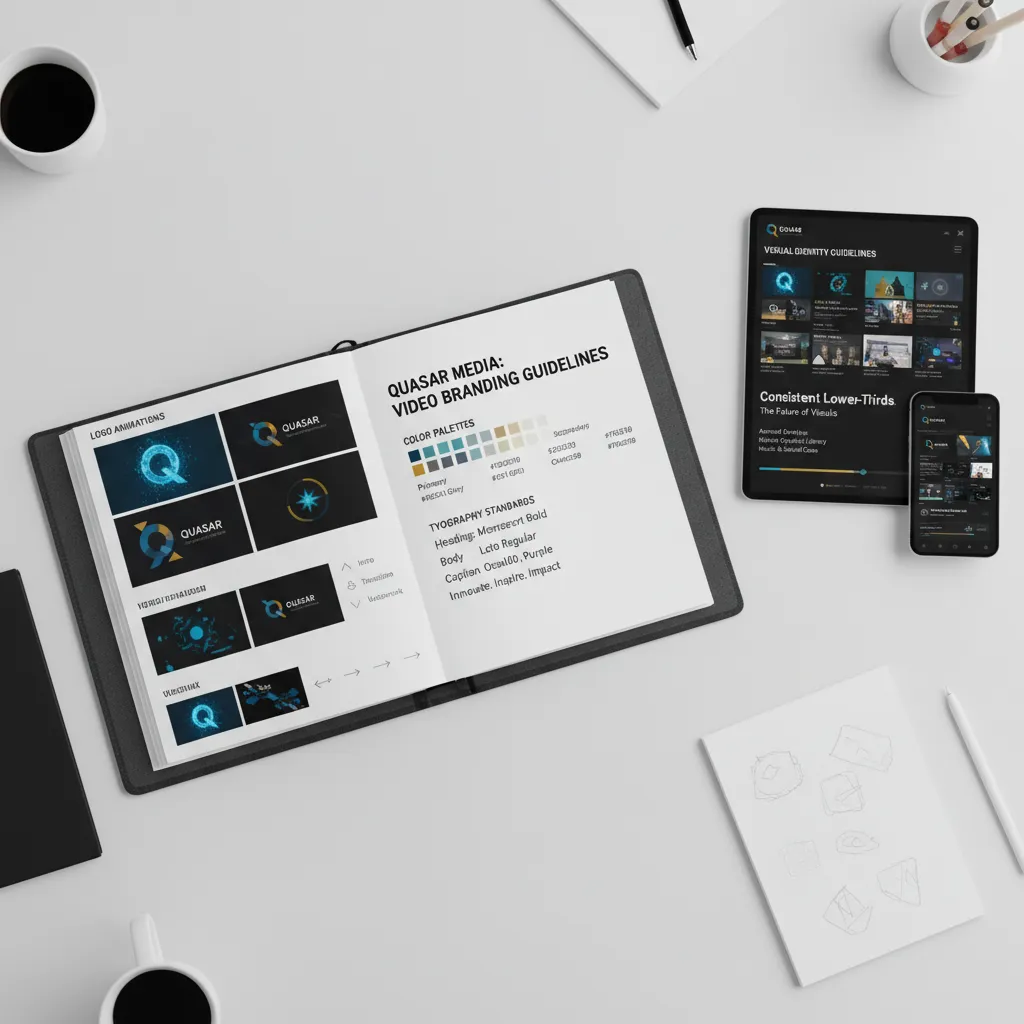
Video Branding Guidelines: Establishing Consistent Visual Standards for Professional Video Content