The world of branding is constantly evolving, shifting from mere persuasion to profound connection. In an era where consumers seek authenticity and transformative experiences, a "wow-factor" campaign transcends traditional advertising; it becomes a magical story that resonates deeply, forging lasting bonds. As we look towards 2025, the blueprint for such success lies in understanding cultures, celebrating heritage, and crafting narratives that stir the soul.
Spain, a nation steeped in history, vibrant culture, and unparalleled culinary prowess, offers a masterclass in achieving this very "wow-factor." From its sun-drenched costas to its snow-capped mountains, its ancient Roman ruins to its avant-garde architecture, Spain has masterfully branded itself not just as a destination, but as an experience. It's a country that doesn't just sell its products; it invites you to feel its passion, taste its traditions, and live its stories.
At M&M Communications, we believe in emphasizing these experiences, crafting narratives that go beyond transactions to create emotional loyalty. Spain's approach to tourism, gastronomy, and cultural exports provides invaluable insights into how brands can achieve this same deep resonance. Let us embark on a journey through Spain's branding triumphs, exploring the strategies that elevate mere marketing into unforgettable encounters, setting the stage for what "wow-factor" truly means in 2025.
The Tourism Evolution: Beyond Sun and Sand
For decades, Spain was synonymous with sol y playa – sun and beach tourism. While its magnificent coastlines and islands still draw millions, the country has brilliantly diversified its appeal, understanding that the modern traveler yearns for more profound engagement. This evolution is a prime example of proactive branding, moving beyond a single selling point to embrace a multifaceted identity.
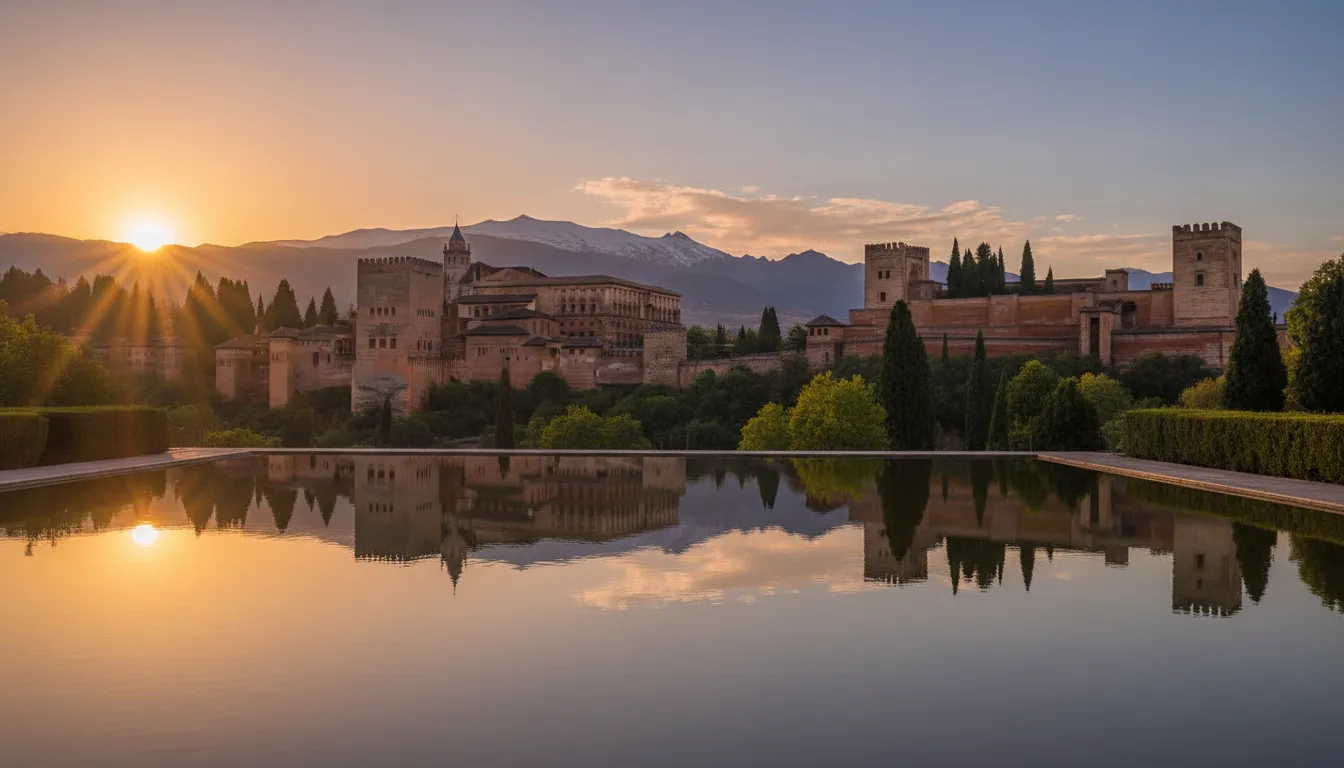
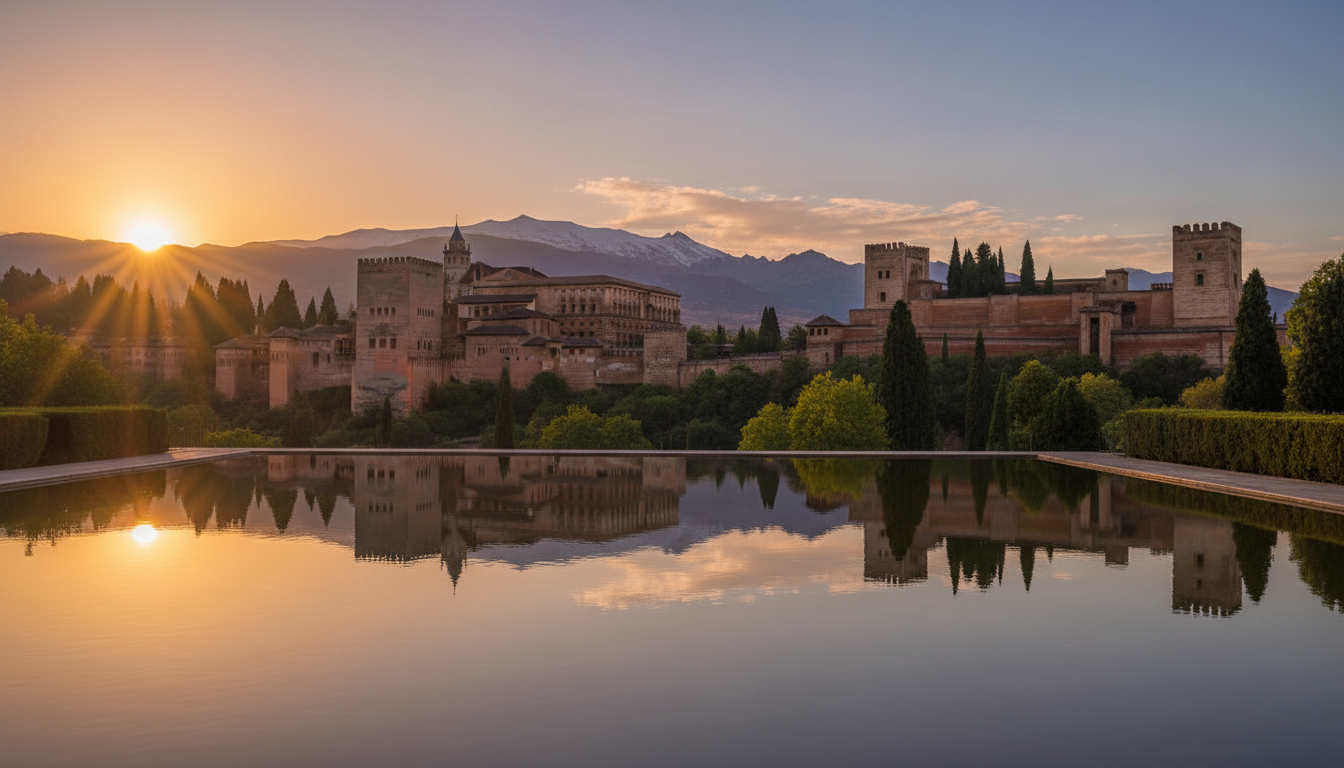
My own travels across Spain have repeatedly affirmed this strategic shift. I recall my first visit to Andalusia, expecting flamenco and tapas, which I found in abundance. Yet, I was equally captivated by the intricate Moorish architecture of the Alhambra, the solemn beauty of Seville's Semana Santa processions, and the rugged, untouched landscapes of the Sierra Nevada. These were experiences that transcended a simple vacation; they were cultural immersions.
Spain's tourism branding has skillfully highlighted its rich historical tapestry. Cities like Toledo, with its UNESCO-listed Old Town, are marketed not just as ancient sites, but as living museums where Christian, Muslim, and Jewish cultures intertwined for centuries. Campaigns for these regions emphasize storytelling, inviting visitors to walk in the footsteps of kings, artists, and mystics. It's about feeling the weight of history in every cobblestone street.
The Camino de Santiago, an ancient pilgrimage route, is another testament to Spain's evolving tourism narrative. It's not sold as a hike, but as a journey of self-discovery, spiritual reflection, and community. The branding focuses on personal transformation, the camaraderie among pilgrims, and the breathtaking natural beauty of northern Spain. This emotionally charged messaging creates a powerful draw, appealing to a deeper human need than just leisure.
Furthermore, Spain has become a magnet for art and culture aficionados. Barcelona, with its Gaudí masterpieces and vibrant art scene, is branded as a hub of creativity and innovation. Madrid boasts world-class museums like the Prado and Reina Sofía, which are marketed not just as repositories of art, but as gateways to understanding Spanish identity and genius. These cultural pillars are central to Spain’s "wow-factor" branding, offering intellectual and aesthetic enrichment.
The country's diverse natural landscapes also play a crucial role. From the volcanic wonders of the Canary Islands to the Picos de Europa mountain range, Spain promotes ecotourism and adventure travel with increasing sophistication. These campaigns highlight sustainability, untouched beauty, and opportunities for exhilarating outdoor activities, appealing to a new generation of conscious travelers. It’s about experiencing nature in its purest form, fostering a sense of wonder and respect.
Spain's mastery lies in creating distinct, yet interconnected, regional brands under one national umbrella. Basque Country, for example, has carved out a niche for avant-garde cuisine and distinctive cultural identity, while Galicia champions its Celtic roots and dramatic Atlantic coastlines. Each region tells a unique story, contributing to Spain's overall image as a country of infinite discovery. This segmentation allows for highly targeted campaigns that resonate deeply with specific interests.
This strategic diversification, moving beyond a singular identity, demonstrates M&M's core philosophy. It's not about persuading tourists to merely visit a beach; it's about emphasizing the profound experiences they will have, the lasting memories they will create, and the emotional connection they will forge with a place. This comprehensive approach ensures that Spain remains a top-tier destination, continually delivering a "wow-factor" that keeps visitors returning.
Case Study: Rosalía x Coca-Cola’s Cultural Impact
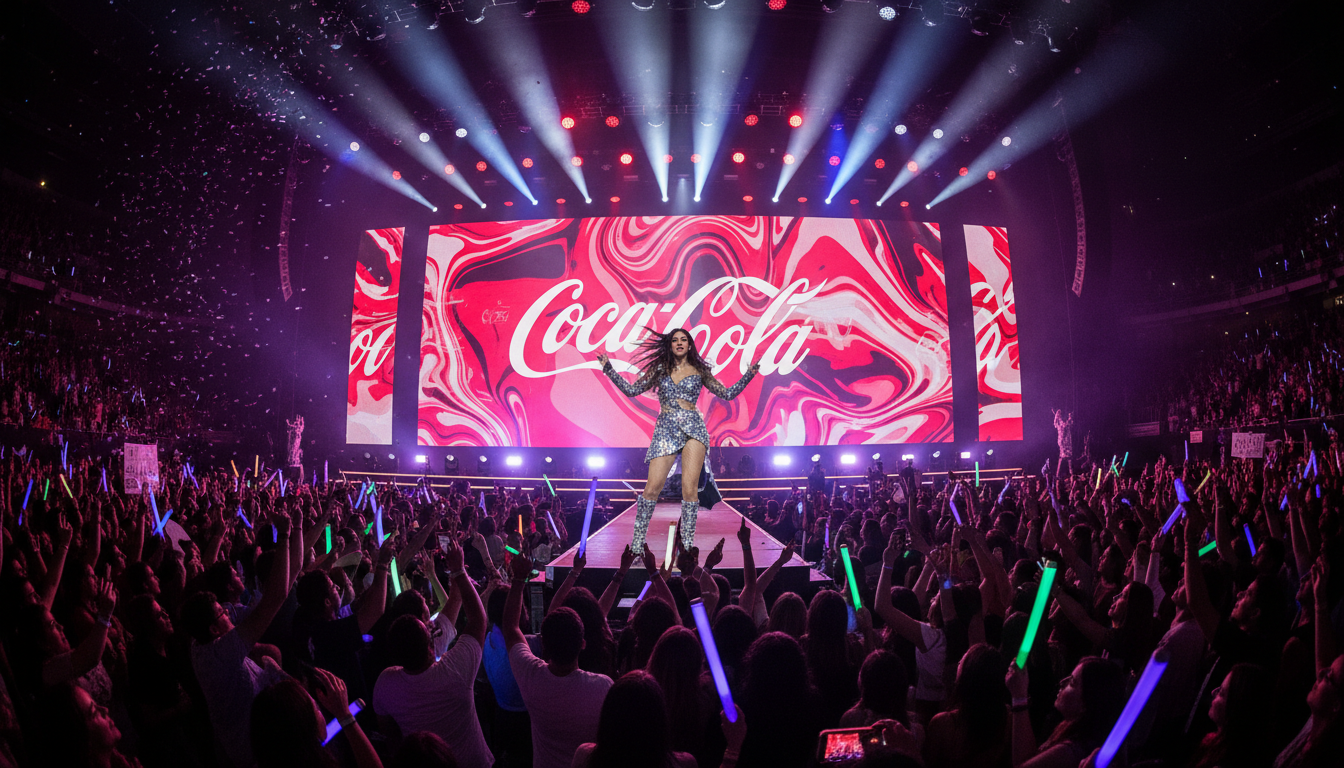
In the realm of modern branding, few collaborations exemplify the "wow-factor" quite like the partnership between global beverage giant Coca-Cola and Spanish music sensation Rosalía. This campaign wasn't merely an endorsement; it was a deeply integrated cultural narrative that spoke volumes about innovation, authenticity, and emotional connection. It perfectly encapsulates how brands can transcend product placement to become part of the cultural zeitgeist in 2025.
Rosalía, a Grammy-winning artist known for her unique blend of flamenco, pop, and reggaeton, represents a new generation of Spanish artistry – rooted in tradition yet boldly experimental. Her appeal crosses linguistic and cultural barriers, making her an ideal partner for a global brand seeking to connect with diverse audiences. This collaboration was a masterclass in leveraging a cultural icon to amplify brand messaging.
The campaign, particularly with the launch of the Coca-Cola Move flavor, wasn't just about a new drink; it was about celebrating transformation and the limitless possibilities of self-expression. Rosalía’s music and persona are all about pushing boundaries, evolving, and embracing change. Coca-Cola tapped into this essence, creating a narrative that resonated with her fanbase's desire for innovation and authenticity.
My observations from the campaign's rollout highlighted its genius. It wasn’t just a TV commercial; it was a multi-platform experience. There were limited-edition cans featuring Rosalía's artwork, a digital "Metamorphosis" experience, and even a new track by the artist, "LLYLM," which became part of the campaign's fabric. This holistic approach ensured that the collaboration felt organic and genuine, not just a fleeting marketing stunt.
The "Metamorphosis" concept, central to the campaign, allowed fans to digitally transform their voices into a unique, AI-generated soundscape inspired by Rosalía's music. This interactive element provided a personalized experience, engaging consumers beyond passive viewing. It moved the brand interaction from consumption to co-creation, a powerful tool for building loyalty. This exemplifies M&M's commitment to creating lasting connections through "magical storytelling."
The choice of Rosalía also demonstrated Coca-Cola's understanding of contemporary Spanish culture and its global influence. Flamenco, once a regional art form, has been reimagined and brought to international stages by artists like Rosalía. By aligning with her, Coca-Cola implicitly celebrated this cultural evolution, showing respect for both heritage and innovation. This cultural sensitivity is paramount for "wow-factor" campaigns targeting diverse markets.
The campaign's success lay in its ability to evoke emotion and inspire. It wasn't just about the taste of a new soda; it was about the feeling of transformation, the excitement of new music, and the pride in cultural representation. It resonated deeply with young, creative audiences who see Rosalía as a symbol of breaking free from conventions. This emotional resonance is precisely what M&M Communications strives for, making people "stick with you by feeling."
Furthermore, the global reach of the campaign, coupled with its distinct Spanish flavor, showcased how local authenticity can drive universal appeal. Rosalía’s Spanish roots were integral to her artistic identity, and Coca-Cola embraced this, proving that cultural specificity can be a powerful asset in global marketing. It demonstrated that true "wow-factor" comes from celebrating unique identities, not homogenizing them.
This collaboration is a perfect example of a brand leveraging strategic partnerships to create inspirational and magical stories. It didn’t try to persuade customers to buy; it emphasized their experience of transformation and cultural celebration when choosing Coca-Cola. For any brand looking to create a "wow-factor branding campaign in 2025," the Rosalía x Coca-Cola partnership serves as a benchmark for authentic, culturally resonant, and deeply engaging marketing.
Reference: While a direct campaign link for Rosalía x Coca-Cola on the main Coca-Cola site may vary or be archived, the broader strategy of cultural integration and innovation is a consistent theme. Brands can explore how Coca-Cola leverages global artists and unique flavors to tell compelling stories that resonate with diverse audiences, as highlighted on their corporate platforms like Coca-Cola Journey.
Gastronomy Branding: How Spanish Chefs Wow Global Audiences
Spain’s culinary landscape is nothing short of revolutionary, and its gastronomy branding is a masterclass in creating a "wow-factor" experience. It’s a story that transcends mere sustenance, elevating food to an art form, a cultural pillar, and a powerful draw for global audiences. As an expert in food and culture, I've seen firsthand how Spain has meticulously crafted its culinary image, turning dishes into destinations.
My first encounter with truly modern Spanish cuisine was at El Bulli, Ferran Adrià's legendary restaurant. It wasn’t just a meal; it was a theatrical performance, an intellectual challenge, and an emotional journey. This groundbreaking approach, often termed "molecular gastronomy," didn't just earn Michelin stars; it rebranded Spanish food on a global scale, shifting perceptions from rustic to avant-garde. Adrià and his peers became cultural ambassadors.
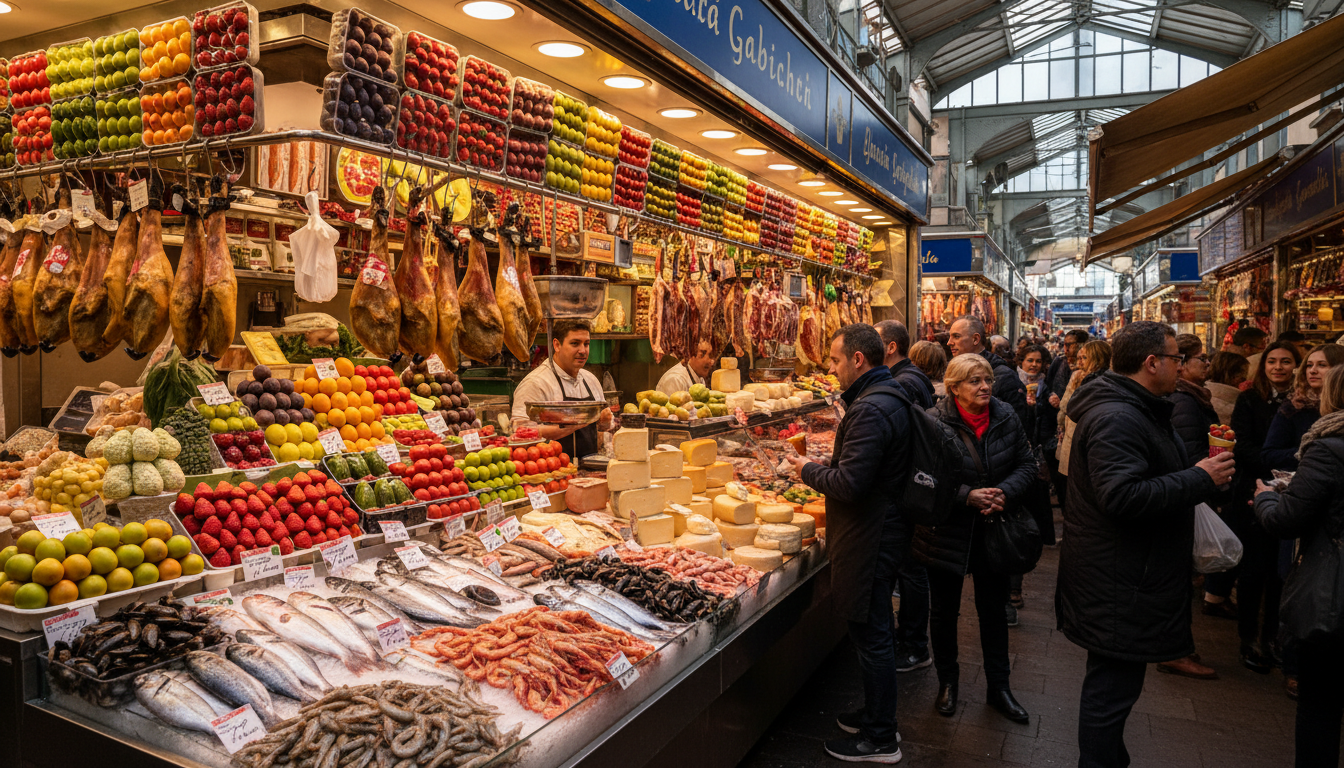
The branding of Spanish gastronomy extends far beyond a few elite restaurants. It encompasses the entire food ecosystem, from humble tapas bars in Seville to the bustling markets of Barcelona, and the world-renowned wineries of La Rioja. Each element contributes to a cohesive, compelling narrative of culinary excellence and innovation, rooted in rich tradition. This layered approach creates an incredibly rich and diverse branding tapestry.
Consider the phenomenon of tapas. What began as small plates served with drinks has been branded as a social ritual, an exploration of flavors, and a quintessential Spanish experience. Campaigns promoting tapas routes and gastronomic tours emphasize community, sharing, and the joy of discovery. It’s not just about eating; it’s about participating in a deeply ingrained cultural practice.
Spanish chefs have become global celebrities, their names synonymous with creativity and quality. The Roca brothers of El Celler de Can Roca, for instance, are celebrated not just for their exquisite dishes but for their philosophy of sustainability, their use of local ingredients, and their seamless blend of tradition and innovation. Their personal stories and culinary journeys are integral to the branding of Spanish fine dining.
Food festivals and gastronomic events play a vital role in this branding strategy. San Sebastián Gastronomika, Madrid Fusión, and various regional wine and olive oil festivals are marketed as international platforms for culinary exchange and innovation. They attract food critics, chefs, and enthusiasts from around the world, generating significant media attention and reinforcing Spain’s position as a culinary leader. These events are curated experiences that leave a lasting impression.
Furthermore, Spain has successfully branded its key agricultural products. Jamón Ibérico, Spanish olive oil, and Sherry wine are not merely commodities; they are luxury items with protected designations of origin, meticulously crafted and marketed with stories of heritage, craftsmanship, and terroir. The branding emphasizes their artisanal quality, their unique production processes, and their role in Spanish culture. It’s about celebrating the provenance and passion behind each product.
The concept of "food as culture" is deeply embedded in Spanish marketing. Campaigns showcase how food is intertwined with festivals, family gatherings, and daily life. Paella is not just a rice dish; it's a symbol of community and celebration. Churros are not just fried dough; they're a beloved morning ritual. This emotional connection to food is what makes Spanish gastronomy so powerfully branded and universally appealing.
For brands aiming for a "wow-factor" in 2025, Spain's gastronomic success offers clear lessons. It’s about more than just a product; it’s about the story behind it, the experience it offers, and the cultural context it embodies. By focusing on authenticity, innovation, and the emotional connection consumers have with food, Spain has created a culinary brand that continually inspires wonder and deep loyalty. This focus on deep insight and lasting connections aligns perfectly with M&M's approach to brand building.
Internal Link: Back to Pillar Guide
As we've explored Spain's remarkable ability to captivate and connect, it becomes evident that the "wow-factor" in branding is not an accident. It's the deliberate result of understanding profound cultural insights, crafting inspirational narratives, and consistently delivering experiences that resonate deeply. These Spanish marketing examples provide a clear roadmap for any brand seeking to achieve similar lasting impact in 2025.
The insights gleaned from Spain's tourism evolution, its groundbreaking cultural partnerships, and its celebrated gastronomy are directly applicable to developing your own unparalleled branding strategies. They underscore the importance of moving beyond mere transactions to create emotional loyalty and unforgettable stories. For a comprehensive guide on how to integrate these principles into your marketing efforts, return to our foundational resource: The Ultimate Guide to a Wow-factor Branding Campaign in 2025.
Conclusion: The Enduring Magic of Spanish Branding
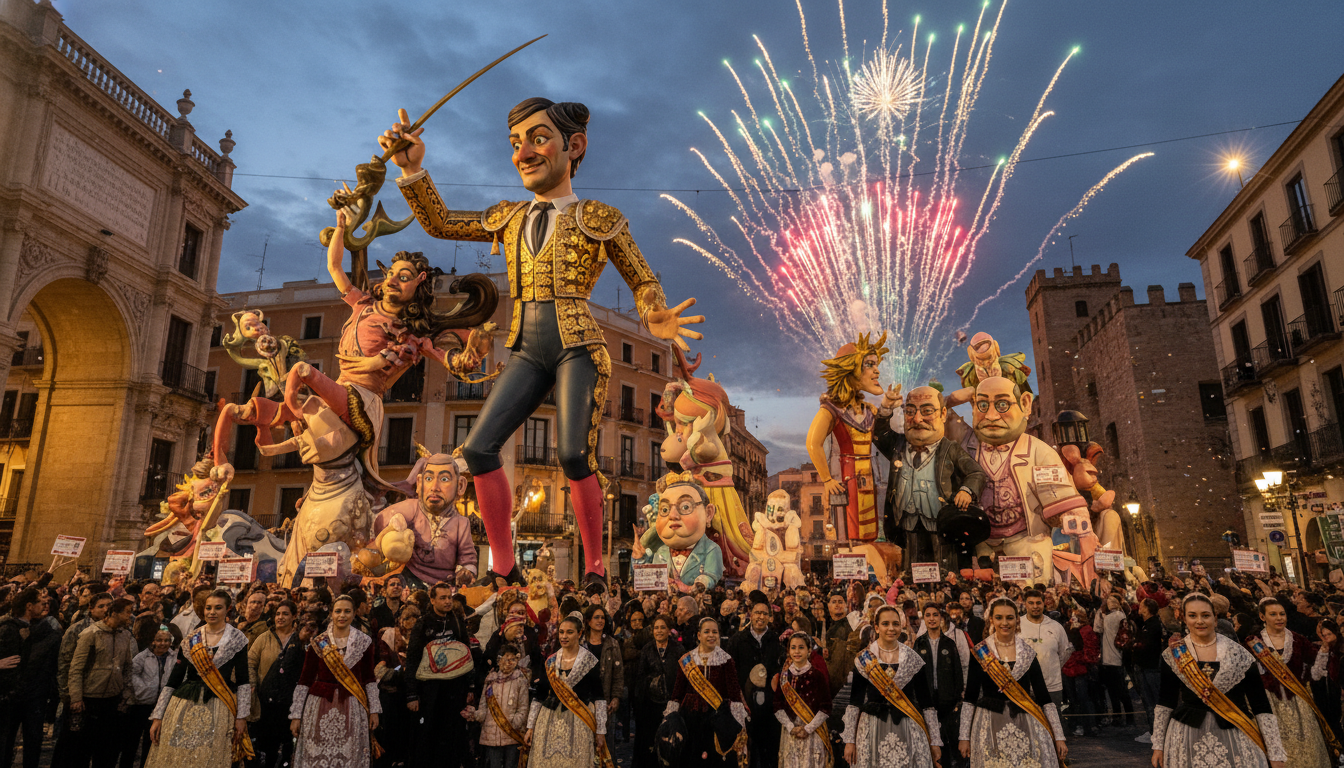
Spain stands as a beacon for what "wow-factor branding" truly means in the modern era. It's a nation that has masterfully leveraged its deep cultural heritage, artistic innovation, and gastronomic excellence to create an identity that is both authentic and universally appealing. My own experiences, from savoring the nuanced flavors of a traditional paella in Valencia to witnessing the electrifying energy of a flamenco show in Seville, have consistently affirmed the power of Spain's storytelling.
The evolution of Spanish tourism, moving far beyond its initial "sun and sand" image, demonstrates a profound understanding of the contemporary traveler's desires for deeper, more meaningful engagement. By highlighting its historical treasures, diverse landscapes, and vibrant cultural expressions, Spain has curated a multifaceted brand that appeals to intellect, emotion, and adventure. It’s not just a place to visit; it’s a world to discover and feel.
The Rosalía x Coca-Cola collaboration serves as a potent reminder that strategic partnerships, when rooted in genuine cultural understanding and shared values, can transcend traditional advertising. It showcased how a global brand could connect with a new generation by celebrating an artist's transformative journey and unique cultural fusion. This campaign wasn't about selling a product; it was about amplifying an experience of self-expression and cultural pride, creating a profound emotional tie.
Furthermore, Spain's gastronomic revolution has transformed its cuisine into a global phenomenon, a testament to the power of culinary branding. From the avant-garde creations of its Michelin-starred chefs to the communal joy of tapas, Spanish food tells stories of tradition, innovation, and passion. It has branded itself as a culinary destination where every meal is an immersive cultural experience, fostering lasting memories through taste and aroma.
At M&M Communications, our motto is to emphasize experiences and create inspirational, magical stories that make customers stick with your brand by feeling. Spain's branding journey perfectly embodies this philosophy. It doesn't just present attractions or products; it invites engagement, sparks curiosity, and forges emotional connections that resonate deeply with individual insights. This approach is what sets brands apart and ensures they remain relevant and beloved.
As we look towards 2025, the lessons from Spain are clear: "wow-factor branding" is about authenticity, cultural resonance, and the relentless pursuit of creating memorable experiences. It's about storytelling that moves beyond features and benefits, touching the heart and inspiring wonder. By embracing these principles, brands can build not just customer bases, but loyal communities who feel a true connection to what you offer. Let Spain's enchanting spell guide your next branding triumph, ensuring your customers don't just buy, but genuinely feel your brand's magic.