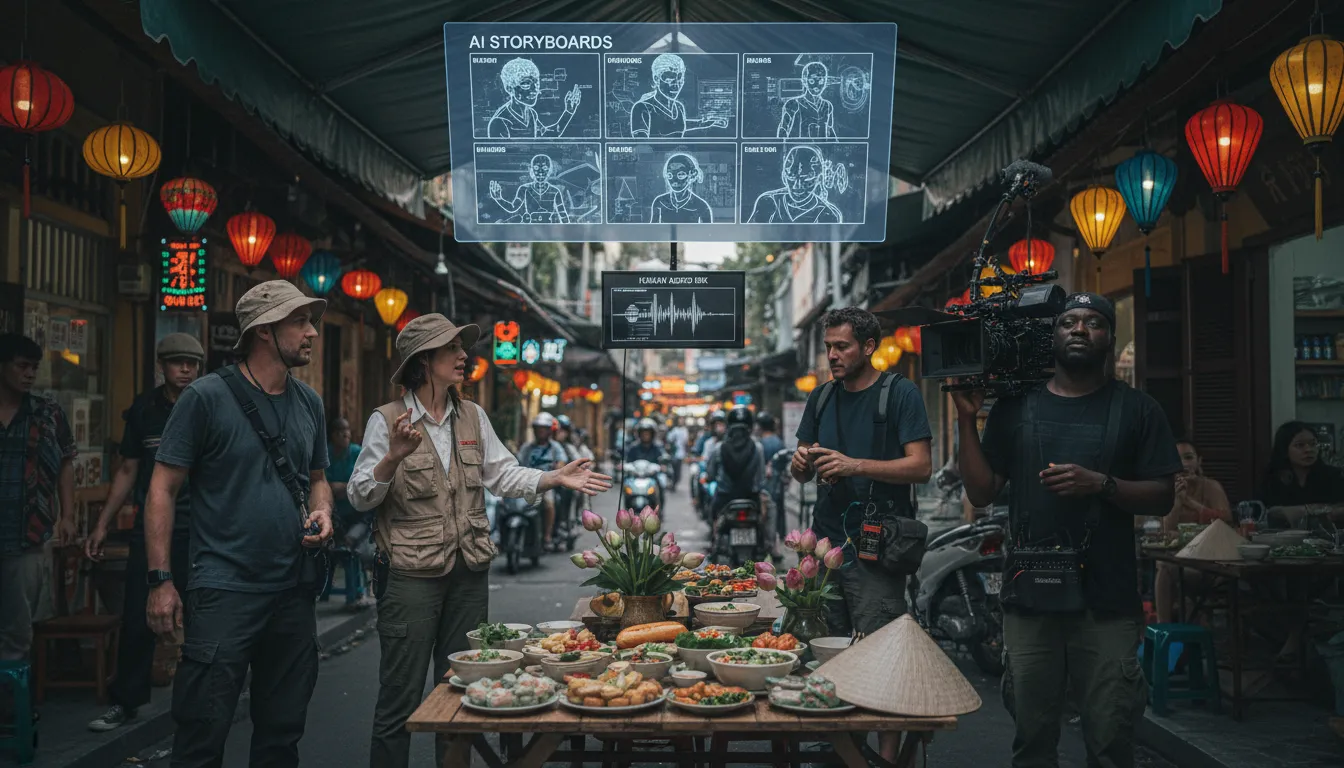
The world of storytelling is in constant flux, evolving with every technological leap. As an expert who has journeyed through countless cultures, savored diverse cuisines, and delved deep into historical narratives, I’ve witnessed firsthand the transformative power of visual media. From capturing the ephemeral beauty of a street food vendor in Hanoi to recreating the grandeur of ancient empires, video has always been our most potent tool for connection.
At M&M Communications, we understand that merely selling a product isn't enough; it's about crafting experiences, weaving inspirational and magical stories that resonate deeply and forge lasting connections. This philosophy will be more critical than ever as we look towards 2026, where the state of video production is poised for a revolution. The very fabric of how we conceive, create, and distribute visual content is undergoing a profound transformation, driven by artificial intelligence, virtual environments, and cloud-native workflows.
This article will embark on a journey through the "how-to" of this exciting future, detailing a step-by-step workflow that defines the state of video production in 2026. We will explore how innovation simplifies life, optimizes budgets, and, most importantly, continues to make clients wonder at all things we do. Join me as we dissect the process, from initial spark to final delivery, exploring how integrated services and cutting-edge technology converge to tell stories that truly transcend.
Phase 1: AI-Enhanced Ideation and Scripting
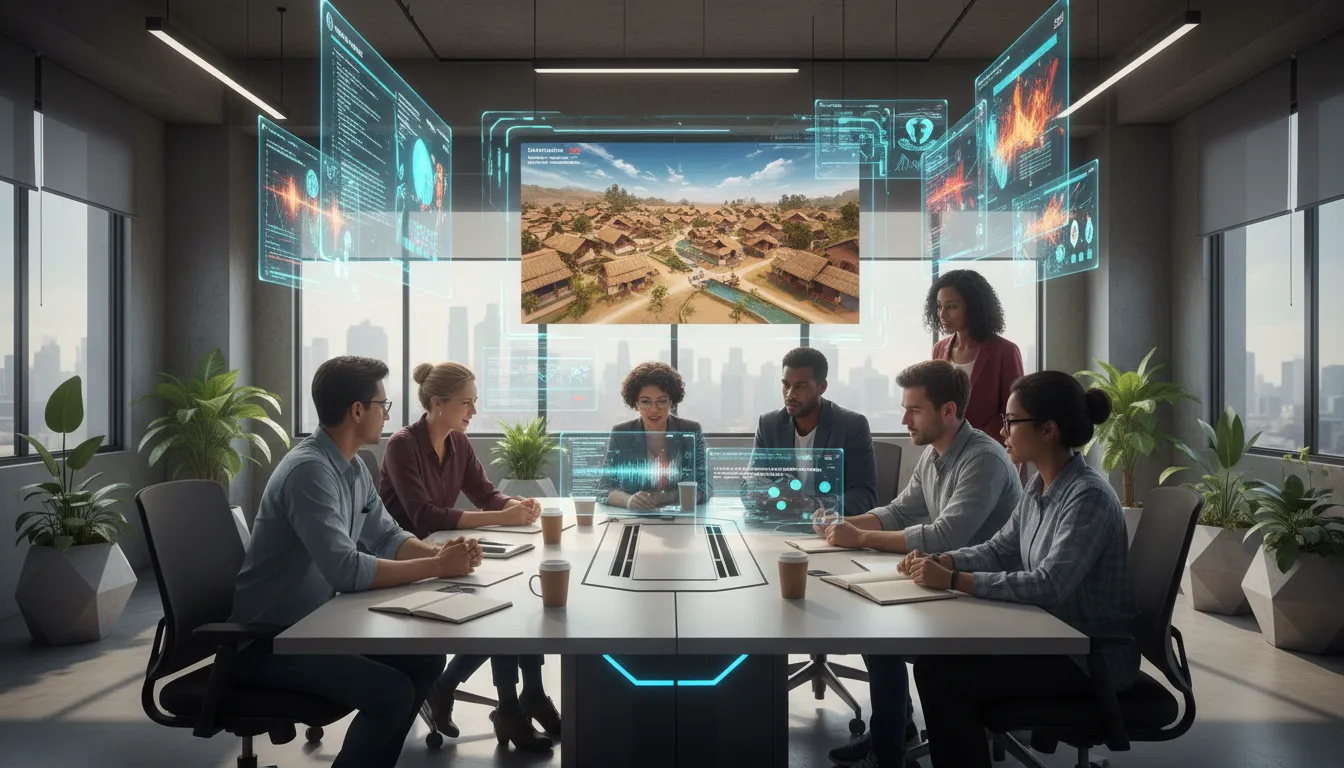
The genesis of any compelling video lies in a powerful idea and a meticulously crafted script. In 2026, this initial phase will be fundamentally reshaped by advanced AI, moving beyond simple automation to become a true creative partner. This means leveraging intelligent systems to unearth insights, generate concepts, and refine narratives with unprecedented efficiency and depth.
Our journey often begins with a client’s vision, perhaps for a travel series showcasing hidden gems or a documentary celebrating a particular food culture. Traditionally, extensive research, brainstorming sessions, and iterative script drafts consumed significant time and resources. However, with AI as our ally, this landscape is dramatically altered, allowing M&M Communications to deliver creative ideation that is both groundbreaking and precisely targeted.
AI will first act as a data archaeologist, sifting through vast amounts of information. It can analyze current trends in travel, identify emerging culinary interests, or pinpoint historical periods garnering renewed public fascination. For instance, if a client like the National Program "One Commune One Product (OCOP)" seeks to highlight unique regional specialties, AI can identify not just popular products but also the untold stories, the cultural significance, and the historical lineage that makes them truly special.
Beyond mere data aggregation, AI will actively participate in concept generation. Imagine feeding an AI system M&M's brief for a new campaign for Meat & Livestock Australia, aiming to showcase the journey of Aussie beef. The AI could then propose dozens of narrative angles: from the sustainable farming practices in picturesque landscapes, to the culinary traditions that embrace the product globally, or even a historical journey of Australian produce. These aren't generic suggestions; they are tailored concepts, complete with potential character arcs and visual metaphors.
When it comes to scripting, AI will serve as an invaluable co-writer and editor. It can analyze existing M&M scripts for tone, pacing, and emotional impact, suggesting improvements that align with the client’s brand voice and the project’s objectives. For a sophisticated brand like Shiseido, AI could ensure every word resonates with elegance and precision, enhancing the creative performance content.
Furthermore, AI can assist in audience segmentation and personalization. By understanding demographic data and viewing habits, it can help tailor script elements to appeal to specific target groups. This ensures that the inspirational and magical stories we craft for clients like Lotte Hotel Saigon resonate deeply with their diverse clientele, whether it's for The Canvas or Ottimo House Trattoria. The goal is not to replace human creativity but to augment it, allowing our writers and strategists to focus on the higher-level narrative artistry while AI handles the analytical heavy lifting.
My own experience in documenting the intricacies of Vietnamese culture has taught me the importance of nuance. Sometimes, the most compelling stories lie in the subtle interplay of local dialects or specific historical references. AI can rapidly cross-reference these details, ensuring cultural accuracy and enriching the narrative texture, making a documentary for USSH HCM even more authentic and impactful. This phase truly sets the foundation for a seamless and impactful video production workflow in 2026.
Phase 2: Virtual Scouting and Set Design
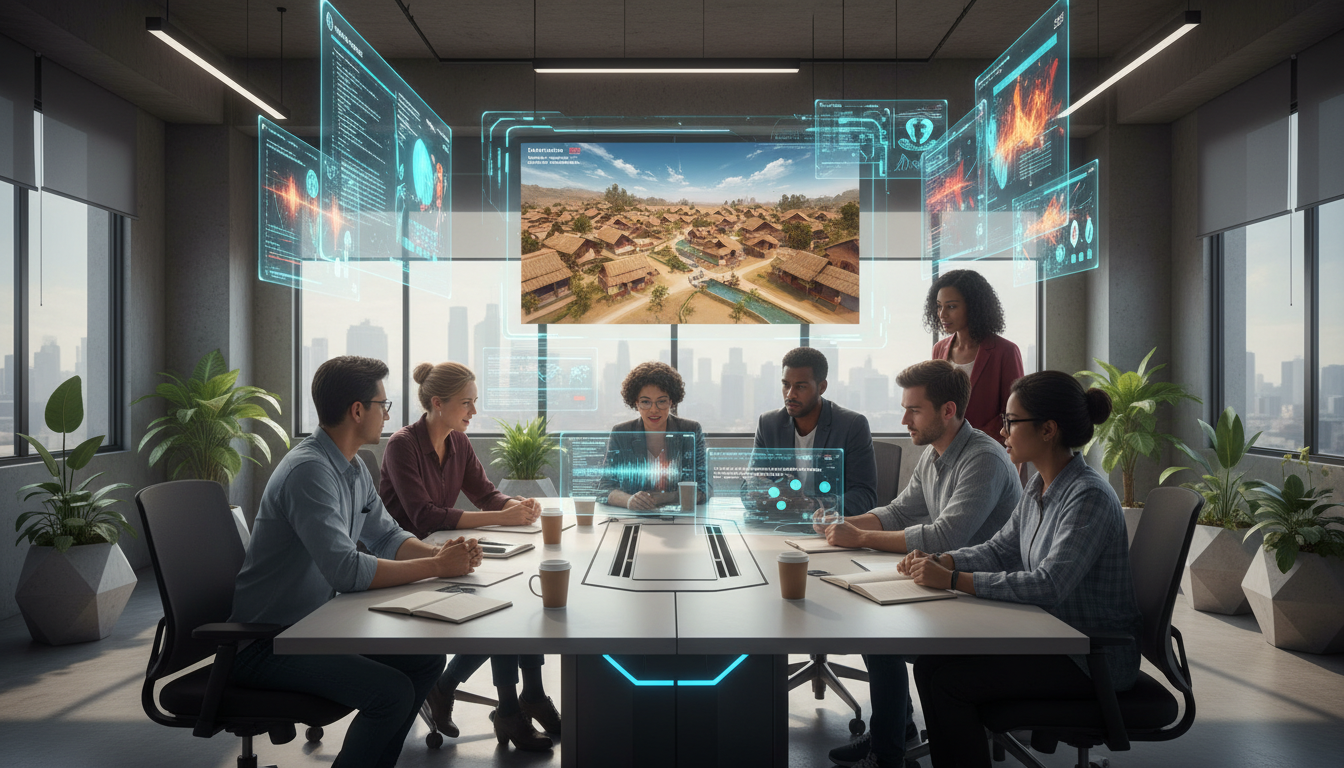
Once the script is solid, the next crucial step is visualizing the production: finding the perfect locations and designing the sets. In 2026, the traditional, often time-consuming, and expensive processes of location scouting and set construction will be revolutionized by virtual technologies. This innovative approach allows M&M Communications to deliver customized concepts and optimize affordable budgets while expanding creative possibilities exponentially.
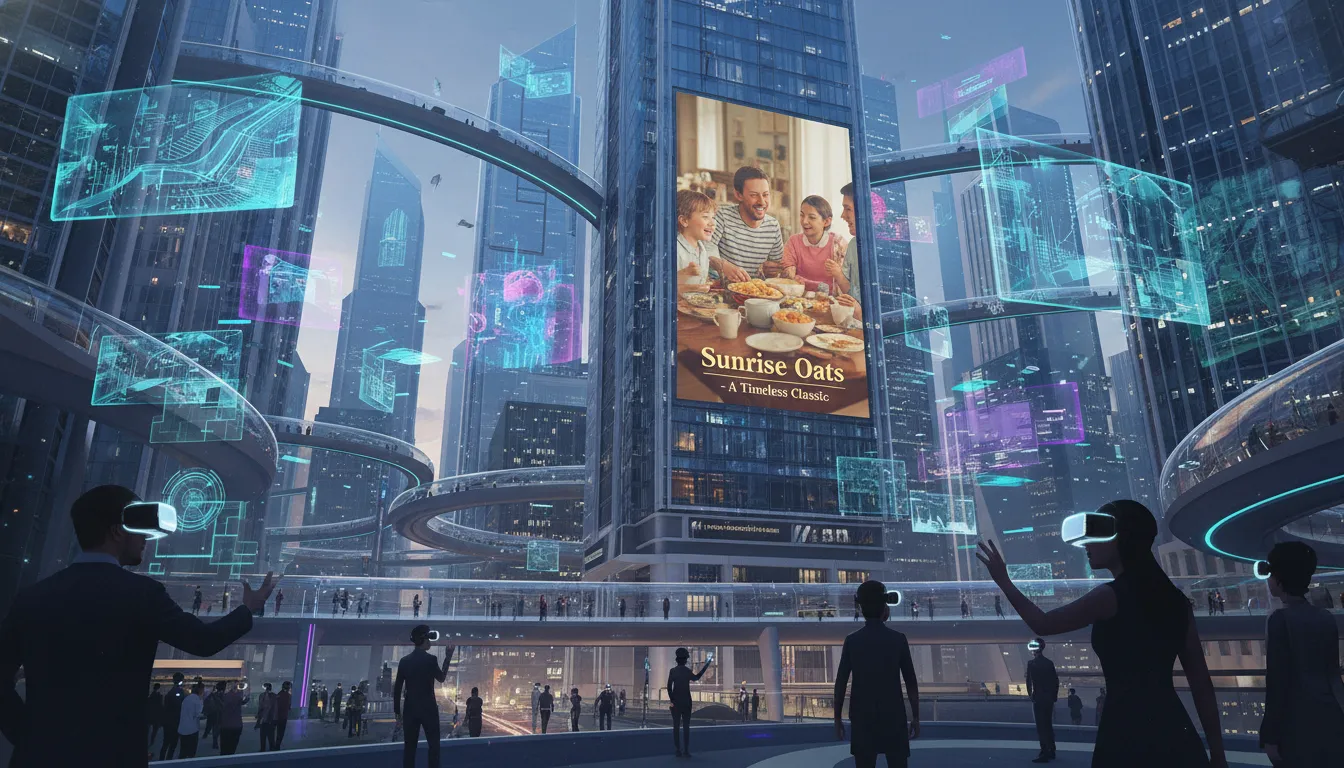
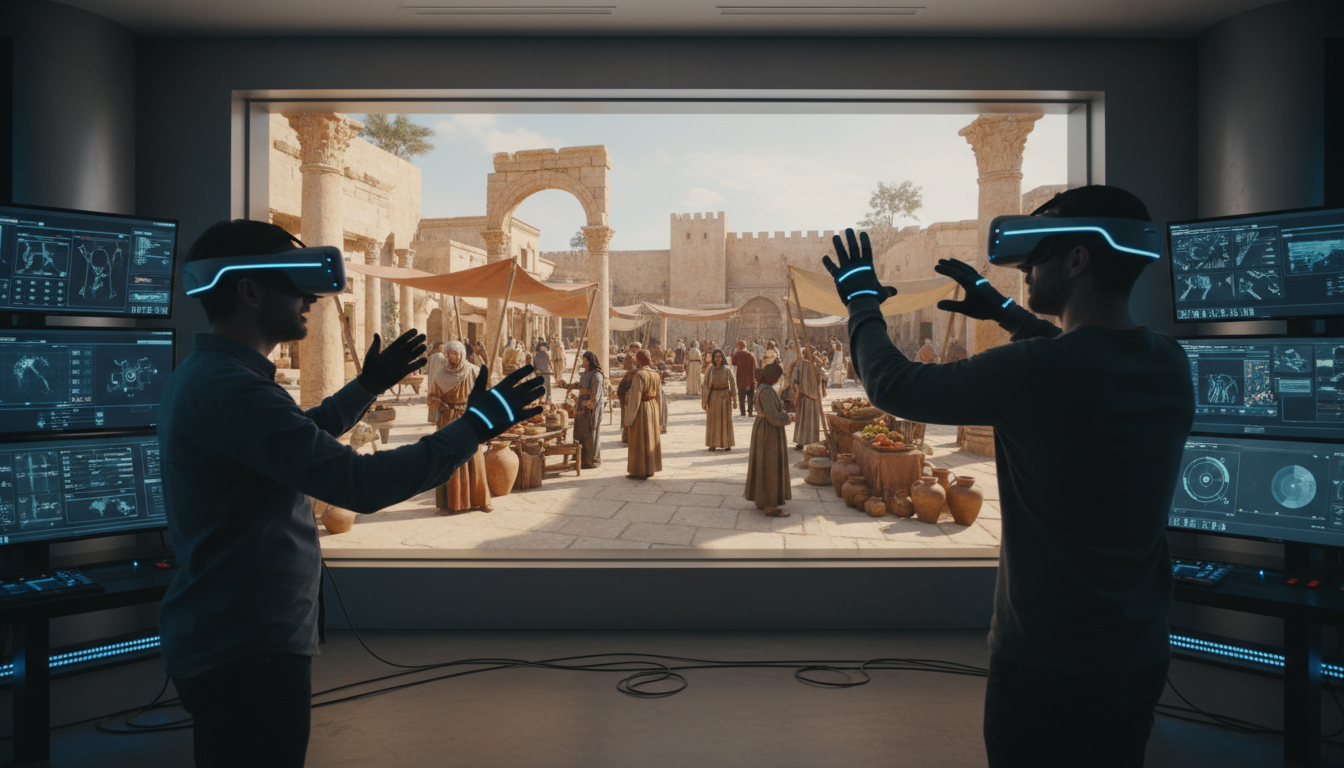
Imagine scouting an ancient temple in Cambodia or a bustling market in Marrakech without leaving the studio. Virtual reality (VR) and augmented reality (AR) technologies will make this a reality. Production teams can don VR headsets and virtually "walk through" photorealistic digital replicas of real-world locations. These digital twins, created from LiDAR scans, drone footage, and photogrammetry, will offer an immersive experience, allowing directors and cinematographers to assess lighting, camera angles, and logistical challenges with unparalleled precision.
This virtual scouting extends beyond existing locations to entirely imagined ones. For a historical documentary, like one I might work on about the Ly Son - Ky Bi Dao Nui Lua, we could recreate the volcanic island's past landscapes digitally. This allows for meticulous planning of complex shots and sequences long before any physical crew is deployed. This is particularly valuable for projects that require access to remote, sensitive, or historically significant sites, significantly reducing travel costs and environmental impact.
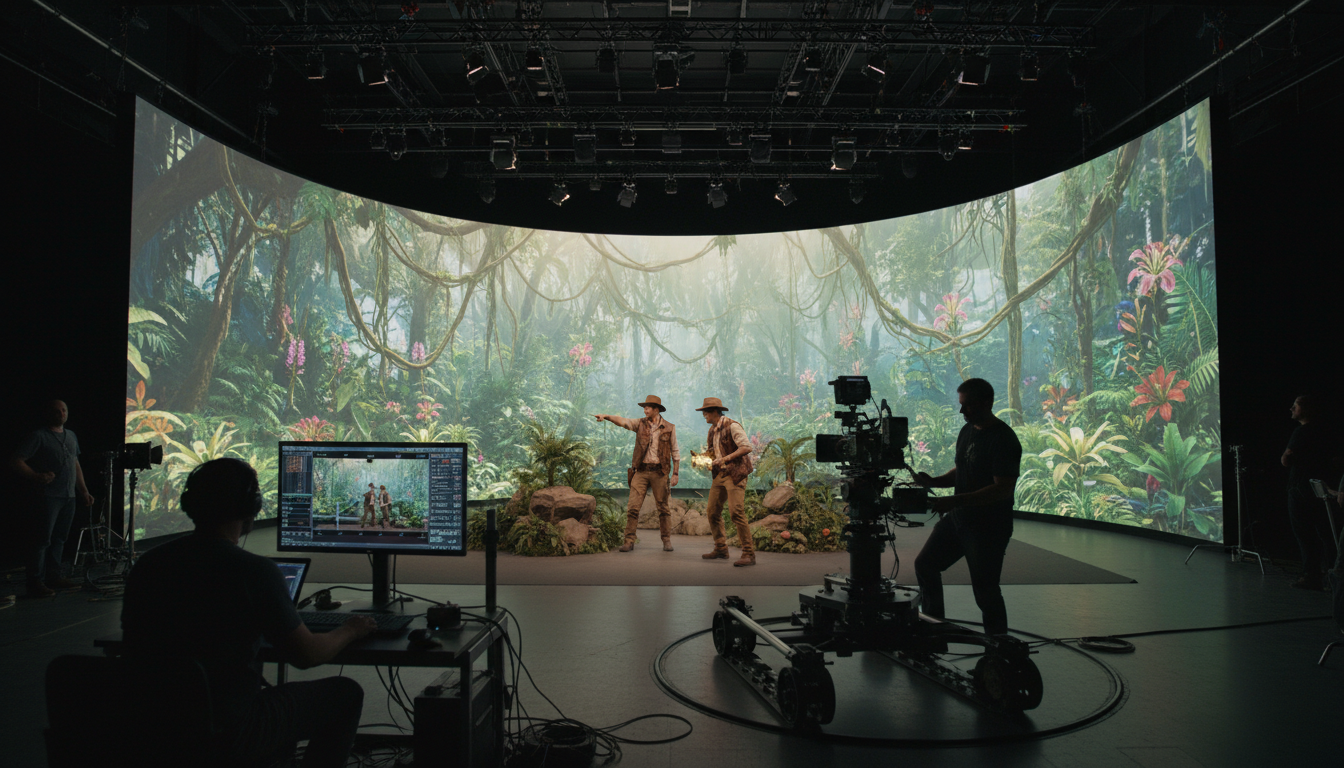
Virtual set design takes this concept a step further. Instead of building physical sets, which can be costly and time-consuming, designers will create intricate 3D environments that can be rendered in real-time. These virtual sets can be displayed on massive LED walls during production, allowing actors to perform within a dynamic, immersive backdrop. This technology blurs the line between reality and simulation, offering incredible flexibility and creative freedom.
Consider a commercial video for Casa Living, aiming to showcase their furniture in various dream homes. Instead of renting multiple opulent houses, we could design several distinct virtual interiors, each meticulously styled with their products. The creative possibilities are endless, allowing for rapid iteration and customization without the constraints of physical construction. This approach not only saves money but also significantly accelerates the pre-production timeline.
From my own experience, I remember the logistical nightmares of filming in remote areas, battling unpredictable weather and difficult terrain. With virtual scouting, we can anticipate these challenges, pre-visualize solutions, and even create contingencies within the digital realm. This proactive approach ensures that when the physical shoot eventually happens (if it's even needed), it is highly efficient and focused. For instance, planning a complex shot for a Rooster Beer commercial set in a vibrant, imaginary festival could be entirely mapped out in a virtual environment, perfecting every camera movement and character placement.
This phase empowers M&M to present clients with a clear, vivid vision of the final product long before cameras roll. It transforms strategic planning and creative ideation into tangible, interactive experiences, showcasing our commitment to making clients wonder at the possibilities. It’s about building worlds, whether real or imagined, with greater precision and far fewer limitations, ensuring every detail aligns with the customized concept.
Phase 3: The Hybrid Shoot (Real + Synthetic Assets)
The actual filming phase in 2026 will be characterized by a seamless integration of live-action footage with synthetic assets, giving rise to the "hybrid shoot." This approach transcends traditional green screen techniques, leveraging real-time rendering and advanced digital tools to create visually stunning and highly flexible content. M&M Communications, through its expertise in asset production and commitment to wonder-inducing creativity, will be at the forefront of this evolution.
At the heart of the hybrid shoot is the concept of virtual production, often utilizing large LED volumes as dynamic backdrops. Instead of a static green screen, the set is surrounded by high-resolution LED panels displaying photorealistic 3D environments. This means actors can perform within a virtual world that reacts to camera movements and lighting in real-time. For a commercial video for Bundaberg Beer, imagining a serene, sun-drenched beach, the actors can feel and react to the "environment" around them, resulting in more natural performances.
This technology allows for incredible creative control. We can instantly change the time of day, weather conditions, or even the entire geographical location with a few clicks. For a product concept shoot for a brand like Cafe’In, we could showcase their coffee in an Italian piazza, a cozy Parisian cafe, and a bustling Vietnamese street, all from the same soundstage. This flexibility reduces the need for extensive travel and logistical coordination, optimizing both budget and timeline.
Beyond LED volumes, the hybrid shoot incorporates digital doubles and CGI elements to a degree previously reserved for blockbuster films. Think of complex crowd scenes for an event recap video or a documentary on a historical battle. Instead of hundreds of extras, we can capture a few real performers and digitally multiply them, or even create entirely synthetic crowds that behave realistically. This is particularly impactful for brands like Colgate & Palmolive or The Body Shop, where conveying scale or aspirational settings often requires elaborate visuals.
My own experiences capturing the vibrant street life and historical grandeur of cities worldwide have shown me the limitations of purely live-action shoots. Recreating a historical festival or depicting an ancient culinary practice often requires elements that no longer exist or are too dangerous to film directly. With hybrid production, we can seamlessly blend authentic footage of, say, a traditional Vietnamese craft with digitally reconstructed historical settings and characters, bringing the past to life with unprecedented fidelity. This approach could be revolutionary for a project like "Lang Mai Tan Tay - Long An Province," allowing us to showcase its natural beauty while also hinting at its historical significance with digital overlays.
The integration of real and synthetic assets also extends to objects. Product feature videos for Ariel Furniture or Daco Logistics can utilize highly detailed 3D models of their products, which can be manipulated and showcased in ways impossible with physical prototypes. Imagine a product rotating and disassembling itself to highlight internal mechanisms, all rendered perfectly within a live-action shot. This allows for dynamic and engaging presentations that truly make customers wonder at the innovation. This phase underscores M&M's ability to produce creative performance content that pushes the boundaries of visual storytelling.
Phase 4: Cloud-Native Editing and Real-time Feedback
The post-production phase, traditionally a bottleneck, will be streamlined and democratized by cloud-native editing platforms and real-time collaboration tools in 2026. This shift ensures that M&M Communications can maintain an always helping hand approach, prioritizing customer service to ensure every voice is heard and every need is met, regardless of geographical distance.
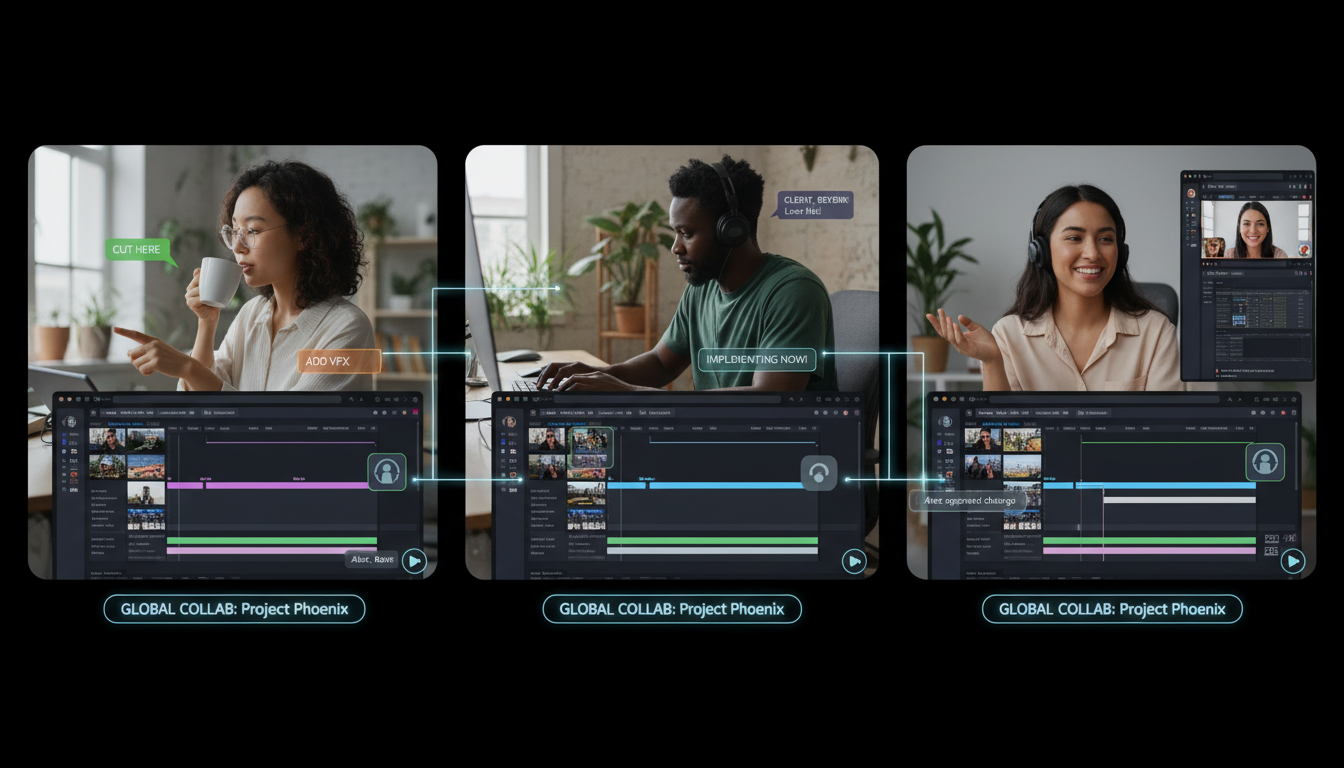
Cloud-native editing means that all video assets—footage, graphics, audio—reside in the cloud, accessible from anywhere with an internet connection. Editors, colorists, sound designers, and visual effects artists can all work concurrently on the same project files, eliminating the need for cumbersome file transfers and version control issues. This collaborative environment significantly accelerates the editing process, making it incredibly efficient. For a global brand like Vipep, with stakeholders potentially spread across continents, this integrated workflow is invaluable.
AI will also play a crucial role in post-production, acting as an intelligent assistant. AI-powered tools can automate tedious tasks like initial rough cuts, identifying and removing filler words, generating subtitles, and even suggesting optimal color grades based on mood and genre. For a business introduction video for a client, AI can quickly assemble a compelling narrative arc from hours of interview footage, freeing up editors to focus on refining the storytelling and adding creative flourishes.
The most transformative aspect, however, is the real-time feedback loop. Clients will no longer need to wait days for new edits to be rendered and uploaded. Cloud platforms will allow stakeholders to review cuts instantly, make comments directly on the video timeline, and even suggest alternative takes or graphic placements in real-time. This interactive process drastically reduces iteration cycles and ensures that the client's vision is accurately translated into the final product. Imagine a representative from Taste Of Australia – The Australian Consulate-General providing live feedback on a promotional video, making adjustments on the fly to perfectly capture their message.
From my personal experience collaborating on international documentaries, the challenge of coordinating feedback across time zones and disparate platforms was immense. Email chains, annotated PDFs, and endless video calls often led to misinterpretations and delays. With cloud-native editing and real-time feedback, these hurdles vanish. I recall a time working on a food documentary, trying to get approval on a specific dish presentation from a chef who was constantly traveling. With 2026 technology, they could review and comment from their phone, ensuring their exact vision for Cơm Nhà Thoa was perfectly realized.
This immediate feedback mechanism fosters a true partnership between M&M Communications and its clients. It ensures that your voice is heard and your need is met throughout the entire post-production journey. This transparent and efficient workflow not only speeds up delivery but also strengthens the collaborative bond, ensuring that the final video is a testament to shared vision and seamless execution. Whether it’s a detailed lookbook for a beauty brand or an architectural collection for a developer, the ability to iterate quickly and collaboratively is a game-changer.
Phase 5: Automated Versioning for Social Media
The final stage in the 2026 video production workflow addresses the ever-growing demand for diverse content across multiple digital platforms. Automated versioning for social media will be a cornerstone, allowing M&M Communications to optimize affordable budgets while delivering good values and ensuring widespread reach for every inspirational and magical story.
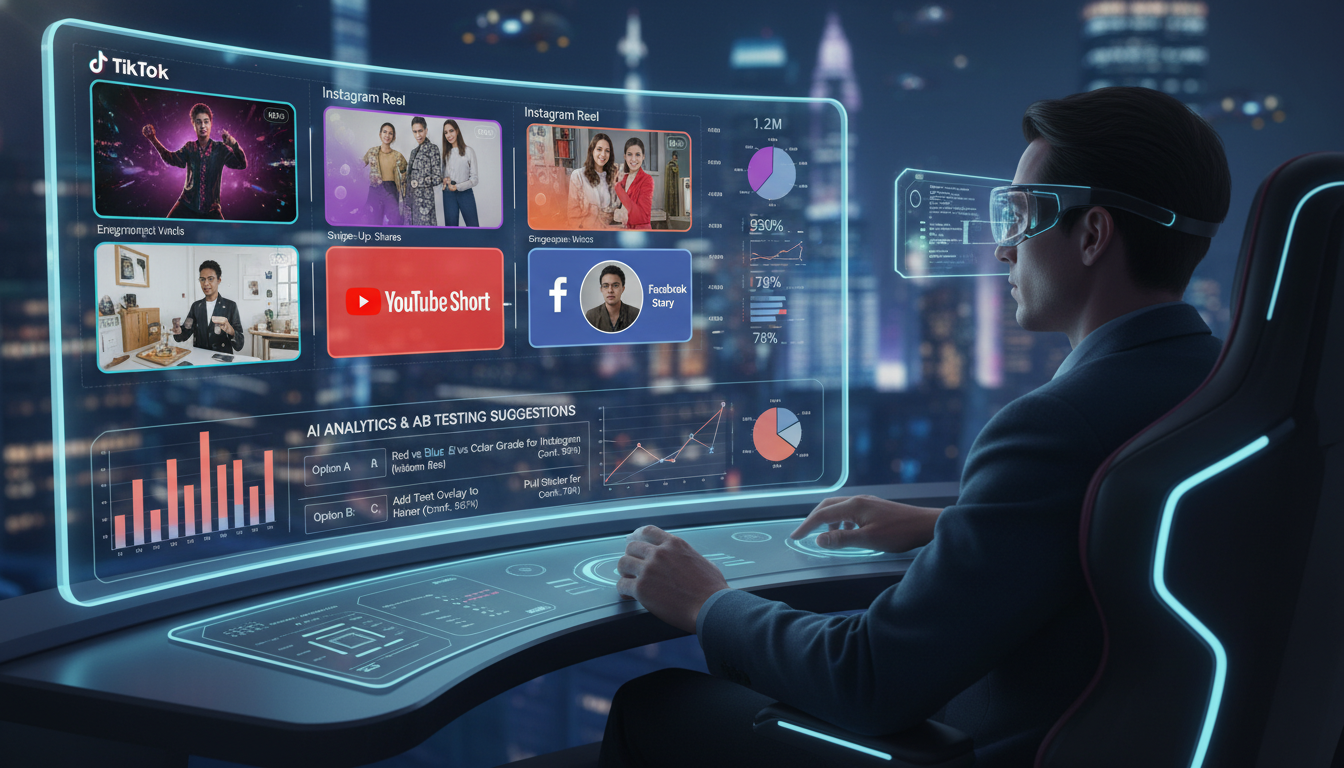
In today's fragmented media landscape, a single video asset is rarely sufficient. A 30-second TVC needs to be repurposed into 15-second Instagram stories, 60-second YouTube shorts, vertical TikTok videos, and square Facebook posts, each with specific aspect ratios, text overlays, and call-to-actions. Manually creating these myriad versions is a labor-intensive and costly process.
In 2026, AI-powered tools will automate this entire versioning process. Once the master video is approved, AI can automatically re-edit, reframe, and reformat the content for any desired platform. It can intelligently identify key moments, extract impactful soundbites, and even generate platform-specific captions and hashtags. For a brand like Menya Ichiban, launching a new ramen dish, a single master video can be automatically transformed into a suite of perfectly optimized social assets, ready for staggered release across all their channels.
This automation extends to dynamic content personalization. Imagine an iTVC (interactive TVC) for Vinchoco, where the content shown to a viewer slightly changes based on their demographic data or past interactions. AI can manage these variations, ensuring that each individual receives a version of the ad that is most relevant and engaging to them. This level of personalized content delivery moves beyond simple targeting, creating a truly bespoke viewing experience that deepens engagement.
My experience creating content for the tourism sector, like promoting a destination through a documentary, has highlighted the need for adaptable content. A beautiful panoramic shot of a UNESCO World Heritage site might work for a long-form travelogue, but for a quick social media reel, a fast-paced montage of local experiences with trending audio is often more effective. AI can perform these adaptations instantly, identifying the "hero" shots and sounds for each platform, ensuring maximum impact. This is crucial for clients like Quan Bui Restaurant, who want to showcase their authentic Vietnamese dining experience across diverse social platforms.
Furthermore, AI can analyze the performance of different versions in real-time, providing insights into what resonates best with specific audiences. This data-driven approach allows for continuous optimization of campaigns, ensuring that every dollar spent generates maximum engagement. It’s about not just creating content but creating effective solutions that resonate with customers' needs. This final phase ensures that M&M Communications continues to deliver comprehensive campaign implementation, making every effort count and ensuring that our clients are always wondering at the reach and impact of their stories.
Conclusion: Crafting Lasting Connections in the Age of AI
The state of video production in 2026 represents a monumental leap forward, transforming every stage from ideation to distribution. As we have explored this step-by-step workflow, it becomes clear that artificial intelligence, virtual reality, and cloud technologies are not merely tools; they are catalysts for unparalleled creativity and efficiency. They empower us to tell stories that are richer, more immersive, and deeply personal, fostering the lasting connections that M&M Communications champions.
For M&M Communications, this future is not just about adopting new technologies; it's about leveraging them to amplify our core philosophy. We don't persuade; we inspire. We don't just deliver products; we emphasize experiences. By integrating these advanced workflows, we continue to simplify our clients' lives with comprehensive services, optimize their budgets with smart solutions, and remain a comfortable, transparent partner.
From the initial spark of an AI-enhanced idea to the automated delivery of personalized social content, every phase is designed to elevate storytelling and ensure that your voice is heard and your need is met. We are committed to making you wonder at all things we do, from the groundbreaking creative works to the meticulous effort behind every pixel. The future of video production is bright, boundless, and, with M&M Communications, beautifully human-centric. Let's create magic together.