Introduction: The Video Revolution of 2026
The world of visual storytelling is perpetually in motion, much like the vibrant, ever-changing streetscapes of Ho Chi Minh City I've come to know so well. What was cutting-edge yesterday is merely a footnote today, and 2026 stands as a pivotal year in this relentless evolution. We are witnessing a profound transformation in how stories are conceived, produced, and consumed, driven by an unprecedented convergence of technology and human creativity.
At M&M Communications, we believe that true impact isn't just about selling a product or service; it's about crafting inspirational and magical stories that resonate deeply. Our goal is to emphasize the profound experiences people have when choosing your brand, forging lasting connections that transcend mere transactions. This philosophy is more critical than ever as we navigate the exciting, complex landscape of video production in 2026.
Why the Landscape Shifted Post-2024
The years following 2024 have been marked by an accelerated pace of technological innovation, particularly in artificial intelligence and real-time rendering. This surge has fundamentally reshaped industry standards, democratizing access to once-exclusive tools and techniques. The global pandemic also played an undeniable role, forcing rapid adaptation and pushing virtual collaboration into the mainstream, permanently altering how creative teams operate.
Consumer behavior has also undergone a dramatic shift, with an insatiable demand for authentic, engaging, and personalized content across myriad platforms. This shift, coupled with the rising capabilities of everyday devices, has created fertile ground for new production paradigms. The lines between professional production houses and individual creators have blurred, necessitating a fresh look at efficiency, creativity, and impact.
The Rise of AI-First Video Workflows
Imagine a chef who, after years of mastering traditional recipes, suddenly gains an assistant who can perfectly prepare all the foundational ingredients in mere moments. This allows the chef to focus entirely on the artistry of plating and the subtle nuances of flavor. This is precisely the paradigm shift that AI-first video workflows are bringing to production in 2026. Artificial intelligence is no longer a futuristic concept; it is an integrated, indispensable partner in the creative process.
This integration empowers creators to streamline tedious tasks, allowing them to dedicate more time and energy to the truly unique, human-centric aspects of storytelling. From initial concept to final delivery, AI is weaving itself into every stage, optimizing efficiency and unlocking new creative possibilities. The goal isn't to replace human ingenuity but to augment it, much like a master artisan leveraging advanced tools to refine their craft.
Generative AI and Automated B-Roll
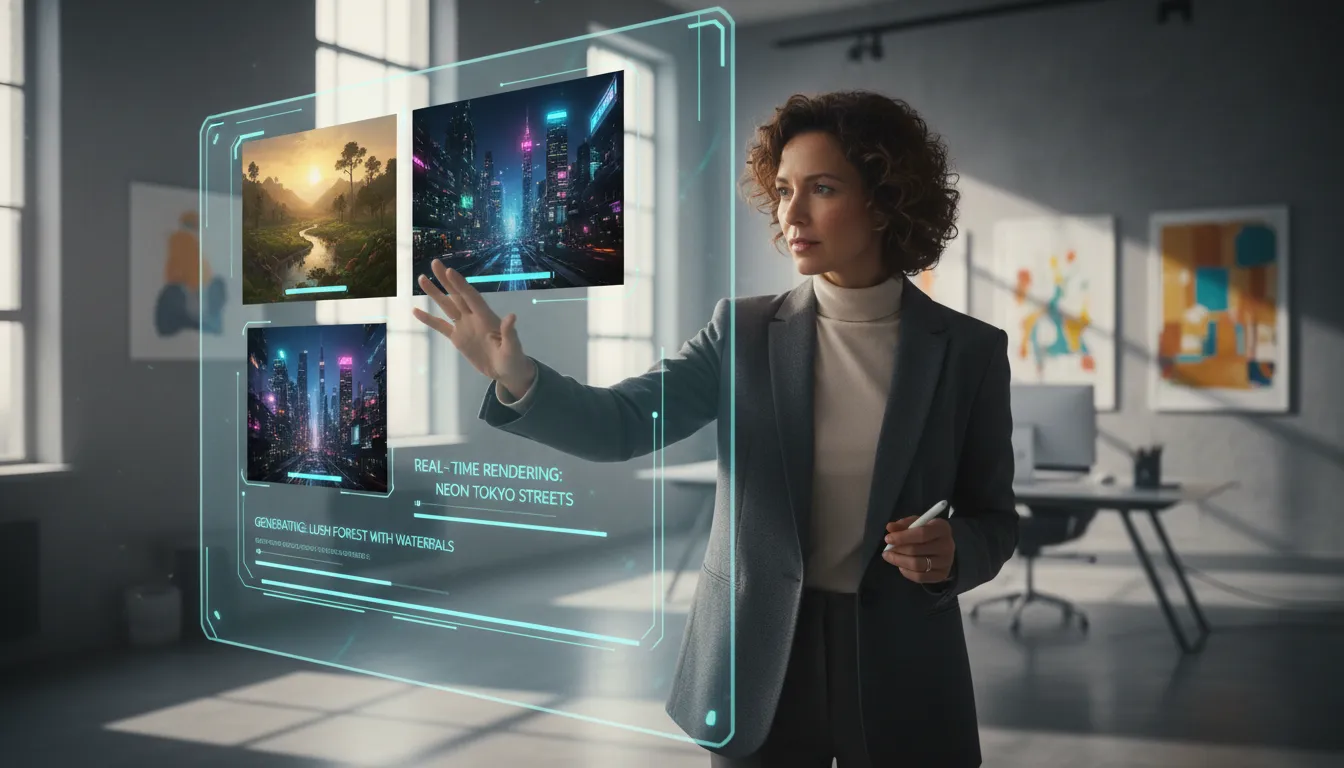
Generative AI has emerged as a cornerstone of video production in 2026, offering capabilities that were once confined to science fiction. This technology can interpret textual descriptions, still images, or even rough sketches to create entirely new video footage, including complex scenes and characters. It's like having an infinitely resourceful visual library at your fingertips, capable of manifesting any concept into existence.
For instance, consider the challenge of obtaining diverse B-roll footage – those crucial supplementary shots that add depth and context to a story. Traditionally, this required extensive planning, location scouting, and shooting days. Now, AI can automate B-roll generation, analyzing a script or main footage to suggest and even create relevant cutaways, establishing shots, and transition elements with remarkable speed and accuracy. This capability is invaluable for agencies like M&M Communications, allowing us to quickly prototype visual ideas for clients such as USSH HCM or Lang Mai Tan Tay, ensuring their core message is visually supported without exhaustive manual effort.
I've often found that the most captivating travel documentaries don't just show a place; they immerse you in its atmosphere through carefully chosen visual details. Generative AI helps us achieve this immersion even faster, creating atmospheric shots of a bustling market or a serene temple that might otherwise be logistically challenging to capture. It means less time waiting for the perfect sunset and more time refining the narrative. For brands like Vinchoco, this means rapid iteration of visual concepts for their product, ensuring every campaign is fresh and engaging.

This technology also allows for unprecedented personalization. Imagine a commercial for Casa Living where the background scenery dynamically adapts to the viewer's geographical location or expressed interests, all generated on the fly. This level of bespoke content creates a far more personal and impactful connection, moving beyond mass persuasion to deeply felt engagement, aligning perfectly with M&M's philosophy. It transforms passive viewing into an active, tailored experience, making each interaction unique.
The ethical implications and creative control remain paramount in this AI-driven landscape. While AI can generate visuals, the human touch of direction, artistic vision, and emotional resonance is irreplaceable. Our role at M&M is to guide these powerful tools, ensuring the AI-generated content serves the overarching magical story we aim to tell, rather than becoming a mere technical showcase. It’s about leveraging AI as a brush, not letting it paint the entire masterpiece.
Real-time AI Color Grading and Audio Post
Beyond generation, AI is revolutionizing the post-production phase, particularly in color grading and audio processing. These tasks, traditionally labor-intensive and requiring highly specialized skills, are now being significantly enhanced and accelerated by intelligent algorithms. The result is a more efficient workflow without compromising on the professional polish that defines high-quality video.
Real-time AI color grading, for instance, can analyze footage and apply sophisticated color corrections and creative grades instantly. It learns from vast datasets of professionally graded content, understanding how to enhance mood, correct inconsistencies, and achieve specific aesthetic styles with remarkable precision. This is akin to having a master cinematographer's eye guiding every frame, ensuring visual consistency across diverse shots taken under varying conditions. For a client like Lotte Hotel Saigon, maintaining a consistent brand aesthetic across all promotional videos, from their 'Canvas' events to 'Ottimo House Trattoria' features, becomes effortlessly achievable.
When I document a culinary journey, the vibrant hues of a freshly prepared dish are as important as its taste. AI color grading ensures that the rich reds of a chili, the bright greens of herbs, or the golden crisp of a fried spring roll are always presented in their most appetizing light, regardless of the camera or lighting conditions. This makes the food not just visible, but truly desirable, fostering a deeper connection with the viewer. It's about translating the sensory experience into a visual one.
Similarly, AI-powered audio post-production tools are transforming sound design. These algorithms can automatically clean up dialogue, remove background noise, mix multiple audio tracks, and even generate realistic sound effects based on visual cues. They can balance levels, apply compression, and add spatial effects in real-time, delivering broadcast-quality soundscapes without the extensive manual tweaking traditionally required. The distinct sounds of Ho Chi Minh City – the whir of motorbikes, the calls of street vendors – can be enhanced or isolated with unprecedented ease.
Imagine creating a compelling short documentary for The National Program or One Commune One Product (OCOP) that showcases the unique sounds of rural Vietnam. AI can help isolate the delicate strumming of a traditional instrument from ambient village noise, or enhance the subtle sizzle of a local delicacy cooking over an open fire. This ensures the authentic soundscape is preserved and presented with clarity, allowing the audience to truly feel the experience. For M&M, working with clients like Cơm Nhà Thoa or Quan Bui Restaurant, this means ensuring their brand's audio identity is as polished and impactful as its visuals, creating an immersive sensory experience for their customers.
These AI tools don't just save time; they free up creative professionals to focus on the artistic interpretation and emotional impact of color and sound. Instead of meticulously scrubbing noise or manually adjusting curves, creators can direct the AI to achieve specific moods or emphasize particular elements, ensuring the final product resonates deeply with the audience. This collaborative approach between human and AI elevates the craft, delivering a more profound and memorable viewer experience.
Virtual Production and the LED Volume Standard
My travels have often taken me to places where history and imagination intertwine, from the ancient ruins of Angkor Wat to the meticulously recreated sets of historical dramas. These experiences have taught me the profound power of environment in storytelling. In 2026, virtual production (VP) and the LED volume standard are bringing this power to the forefront of video creation, democratizing the ability to transport audiences anywhere, anytime, without ever leaving the studio. This technology represents a monumental leap, allowing creators to build immersive, dynamic environments that were once only possible through extensive travel and elaborate, costly physical sets.
Virtual production integrates real-time game engine technology with physical LED screens, creating a seamless, interactive backdrop for live-action filming. Instead of green screens requiring post-production compositing, the virtual world is rendered in real-time on massive LED walls, directly interacting with the camera and lighting. This means actors and directors can see and react to their environment as if it were truly there, fostering more authentic performances and immediate creative feedback. For a client like Ly Son - Ky Bi Dao Nui Lua, imagine showcasing the island's unique volcanic landscapes and cultural sites without ever leaving a studio in Ho Chi Minh City, offering unprecedented flexibility and creative control.
From Hollywood to Corporate: Democratizing High-End Sets
Initially a tool for blockbuster films like The Mandalorian, virtual production with LED volumes has rapidly permeated various sectors, becoming a standard feature in high-end video production by 2026. The advantages are numerous: significant cost savings on travel and location fees, reduced environmental impact, and unparalleled creative flexibility. It allows for dynamic changes to lighting and environment in real-time, adapting to the creative vision as it unfolds on set. This technology is not just for grand cinematic narratives; it's proving transformative for corporate, commercial, and even educational content.
Consider a multi-national brand like Shiseido or The Body Shop needing to shoot a commercial featuring diverse global backdrops. Instead of flying crews and talent around the world, they can recreate a bustling Tokyo street, a serene Nordic forest, or a vibrant Southeast Asian market within a single LED volume studio. This drastically reduces logistical complexities and carbon footprint, aligning with increasingly important sustainability goals. For M&M Communications, this offers an incredible opportunity to deliver world-class production values to our clients, regardless of their budget or geographical constraints.
Even local businesses can leverage this technology. A restaurant like Quan Bui could showcase new dishes in a variety of culturally rich settings – perhaps a traditional Vietnamese home for one shot, a bustling modern cafe for another – all created virtually. For a property developer like Lang Mai Tan Tay, this means creating photorealistic virtual tours of unbuilt properties, allowing potential buyers to walk through their future homes with unprecedented realism. This democratizes the "Hollywood magic," making it accessible for diverse storytelling needs.
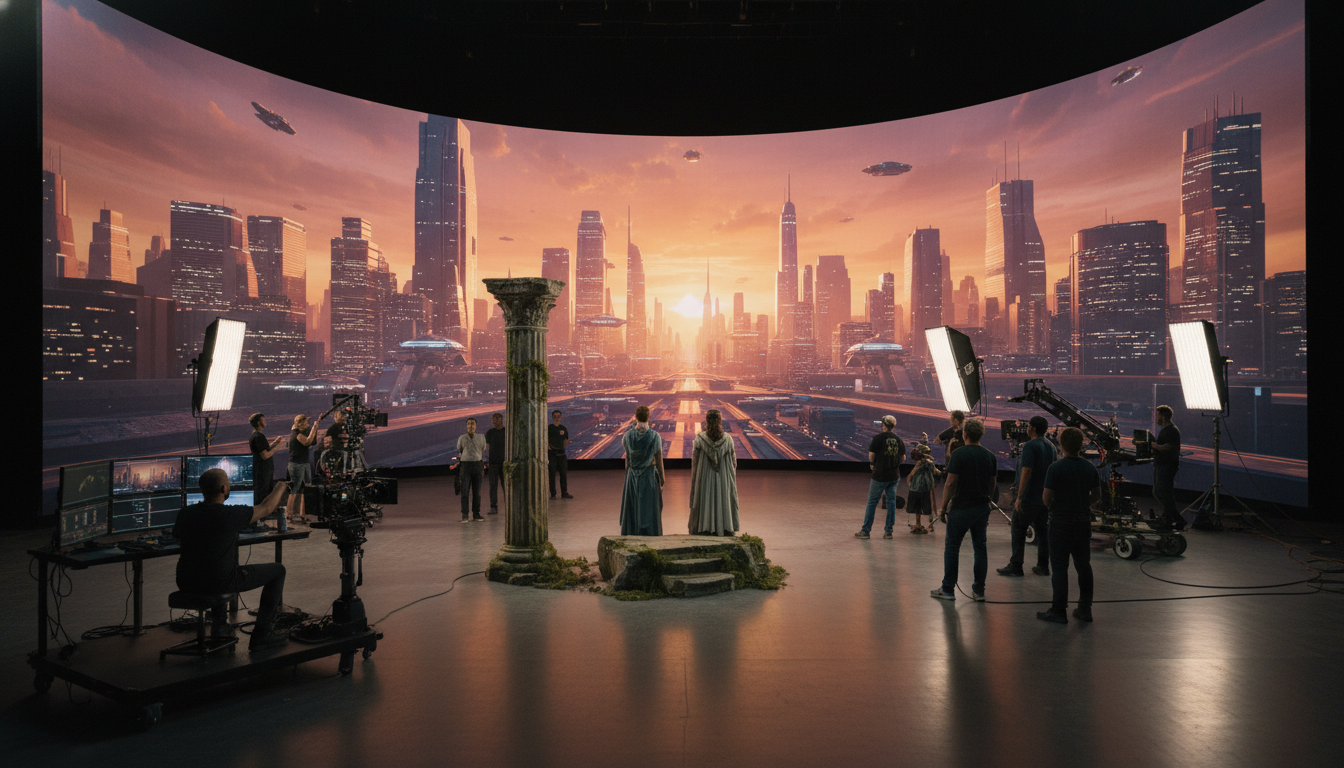
The ability to control every aspect of the environment in real-time opens up new creative avenues. Directors can experiment with different times of day, weather conditions, or even entirely fantastical landscapes at the click of a button. This iterative process fosters greater creativity and ensures the final visual narrative is precisely aligned with the brand's message. It allows for the kind of magical storytelling that truly captivates audiences, drawing them into a world that feels both authentic and aspirational.
As someone who has explored countless historical sites, I understand the challenge of bringing the past to life. Virtual production offers a powerful solution, allowing us to accurately recreate historical settings for documentaries or brand narratives, making history feel immediate and tangible. For clients like USSH HCM, developing educational content, this technology can transport students directly into historical events or complex scientific environments, making learning truly immersive and engaging. This isn't just about efficiency; it's about expanding the horizons of visual possibility and forging deeper connections through shared, vivid experiences.
Short-Form Content: The Dominant Medium
In my journeys across continents, I've observed that while grand epics have their place, the most immediate and impactful stories often arrive in concise, powerful bursts. Think of a perfectly crafted street food dish – a symphony of flavors in a few bites, leaving a lasting impression. This philosophy perfectly mirrors the dominance of short-form video content in 2026. The digital landscape is saturated, and attention spans are increasingly fragmented, making brevity and immediate engagement paramount.
Platforms like TikTok, Instagram Reels, and YouTube Shorts are no longer just supplementary channels; they are often the primary touchpoints for brands and consumers. Their algorithms favor quick, highly engaging content, and audiences have become accustomed to consuming information and entertainment in rapid succession. This shift demands a different approach to storytelling, one that prioritizes impact, authenticity, and rapid connection over lengthy exposition.
Strategies for TikTok, Reels, and YouTube Shorts in 2026
To succeed in the short-form arena of 2026, brands and content creators must embrace specific strategies that leverage the unique characteristics of these platforms. The first rule is the rapid hook: you have mere seconds to grab a viewer's attention before they scroll past. This requires compelling visuals, intriguing questions, or immediate value propositions right from the start. For example, a restaurant like Quan Bui needs to showcase its most mouth-watering dish or a unique cooking technique within the first 1-2 seconds.
Authenticity reigns supreme. Polished, overly produced content often falls flat; viewers crave genuine, relatable experiences. This doesn't mean sacrificing quality, but rather adopting a style that feels organic and less staged. Behind-the-scenes glimpses, user-generated content, and candid moments often perform exceptionally well. Brands like The Body Shop or Shiseido can benefit immensely from showcasing their products in real-life scenarios, demonstrating their efficacy through genuine testimonials and user experiences, fostering trust and connection.
Vertical video optimization is non-negotiable. Most short-form content is consumed on mobile devices held vertically, so shooting and editing specifically for this aspect ratio is crucial. This maximizes screen real estate and creates a more immersive viewing experience. M&M Communications helps clients like Cafe'In tailor their visual narratives to this format, ensuring their brand message fills the entire screen and captures undivided attention.
Leveraging trending audio, challenges, and memes is another powerful strategy. These platforms thrive on cultural relevance and participation. By integrating trending sounds or participating in popular challenges, brands can tap into existing communities and boost discoverability, making their content feel fresh and current. This requires agility and a keen understanding of digital culture, areas where M&M excels in helping clients like Rooster Beer or Bundaberg Beer connect with a wider, engaged audience.
For example, I've seen how a simple trending sound can transform a mundane cooking video into a viral sensation. For Cơm Nhà Thoa, a quick video demonstrating a traditional family recipe, set to a popular Vietnamese song, could garner millions of views. It's about finding the intersection of cultural relevance and brand message, allowing the product to become part of a larger conversation.
The power of concise storytelling cannot be overstated. Every frame, every word, every sound effect must contribute directly to the message. There's no room for extraneous details. This forces creativity, pushing storytellers to distill their narratives to their most potent essence. It's akin to the elegant simplicity of a traditional Vietnamese proverb; short, yet packed with profound meaning.
Short-form content also excels at driving action. Shoppable tags, direct links, and clear calls to action are easily integrated, allowing viewers to move seamlessly from engagement to conversion. For a client like Ariel Furniture, a quick video showcasing a new product can include a direct link to purchase, streamlining the customer journey. This immediate gratification aligns with modern consumer expectations, turning inspiration into tangible results.
Ultimately, mastering short-form video in 2026 is about understanding the delicate balance between rapid engagement and meaningful connection. It's about delivering impactful stories that resonate quickly, leaving a lasting impression that encourages further exploration and deeper brand loyalty. This is where M&M's expertise in crafting inspirational and magical stories truly shines, transforming fleeting views into enduring customer relationships.
Essential Hardware: Best State of Video Production in 2026 Equipment
Just as a master artisan requires the finest tools to craft their masterpieces, the world of video production in 2026 demands sophisticated hardware to bring complex visions to life. While creativity remains paramount, the right equipment acts as an extension of the storyteller's hand, enabling the capture and manipulation of visuals and audio with unparalleled fidelity. The "best State of Video Production in 2026" inherently involves embracing cutting-edge technology that empowers creators, from high-resolution workflows to mobile cinematic capabilities.
My own experiences documenting diverse cultures have taught me that while the story is primary, the quality of its capture profoundly impacts its resonance. From crisp details of ancient carvings to the vibrant colors of a street festival, the visual fidelity enhances the viewer's immersion. In 2026, this pursuit of fidelity is pushing the boundaries of resolution, processing power, and accessibility, ensuring that no detail is lost in translation.
8K Workflows and Mobile Cinematic Tech
The widespread adoption of 8K resolution has become a defining characteristic of professional video production in 2026. While 4K became standard in the preceding years, 8K offers four times the pixel count of 4K, providing an astonishing level of detail and clarity. This high resolution isn't just about future-proofing content; it offers immense flexibility in post-production, allowing for reframing, zooming, and stabilizing footage without significant loss of quality, even for projects delivered in lower resolutions.
Working with 8K demands robust computing power, massive storage solutions, and efficient data management. This necessitates an upgrade in infrastructure for many production houses, including M&M Communications, to handle the immense file sizes and processing requirements. However, the benefits are clear: visuals that are incredibly sharp, immersive, and capable of conveying the intricate textures and nuances of any subject. For clients like Meat & Livestock Australia (Aussie Beef and Lamb Vietnam), showcasing the marbling and quality of their products in exquisite 8K detail can be a powerful differentiator.
Simultaneously, the advancements in mobile cinematic technology have been nothing short of revolutionary. Modern smartphones, equipped with computational photography, advanced sensor technology, and sophisticated AI-driven image processing, are now capable of capturing truly cinematic-quality video. Features like ProRes video recording, cinematic modes with shallow depth of field, and advanced stabilization are standard, blurring the lines between professional cameras and everyday devices.
I've personally witnessed how mobile phones, once dismissed as amateur tools, are now employed by documentary filmmakers and commercial producers alike to capture authentic, intimate moments that larger cameras might disrupt. The accessibility and portability of mobile devices allow for spontaneous creativity and the capture of genuine, unscripted moments that resonate deeply with audiences. Imagine a quick, heartfelt testimonial for Daco Logistics, filmed with cinematic flair on a smartphone, instantly communicating trustworthiness and efficiency.
For brands like Đỉnh Gia or Vipep, mobile cinematic tech offers an agile way to create high-quality content on the fly, whether it's a social media campaign or a quick product highlight. This democratizes content creation, empowering even smaller teams to produce visually stunning narratives without the need for extensive, expensive equipment setups. M&M Communications leverages this duality, understanding when to deploy state-of-the-art 8K cinema cameras for grand productions and when to harness the power of mobile for agile, authentic storytelling.
The "best State of Video Production in 2026" equipment isn't just about resolution or raw power; it's about the intelligent integration of these tools into a seamless workflow. It means having cameras that can record in log profiles for maximum dynamic range, lenses that offer cinematic bokeh, and drones that capture breathtaking aerials with ease. It also means investing in high-speed data transfer solutions, cloud-based collaboration platforms, and powerful editing workstations capable of handling the demands of modern codecs and effects.
This blended approach, combining ultra-high-resolution professional gear with highly capable mobile devices, ensures that M&M Communications can meet the diverse needs of our clients, from the grand scale of a Lotte Hotel Saigon commercial to the intimate storytelling for a local restaurant. It's about empowering our creative teams with the right tools to tell inspirational and magical stories that connect with audiences on every possible platform, ensuring visual excellence at every turn.
The Future of Niches: Interactive and Shoppable Video
As I've explored various cultures, I've learned that true engagement often transcends passive observation; it thrives on participation and direct interaction. Whether it's joining a traditional dance, learning a local craft, or haggling at a bustling market, these active experiences create the most memorable connections. In 2026, video production is evolving to mirror this participatory nature through the burgeoning niches of interactive and shoppable video. These formats transform viewers from passive recipients into active participants, deepening engagement and streamlining the path from interest to action.
This evolution is particularly exciting for brands looking to create more personalized and impactful customer journeys. It moves beyond simply showing a story to allowing the audience to shape it, or to immediately act upon the inspiration it provides. For M&M Communications, this represents a powerful new frontier for inspirational and magical storytelling, turning passive consumption into an immersive, dynamic experience.
Interactive video, at its core, allows viewers to influence the narrative or explore content paths based on their choices. This can range from simple clickable hotspots within a video to complex "choose-your-own-adventure" narratives where decisions made by the viewer alter the storyline. Imagine a product demonstration for Casa Living where viewers can click on different furniture pieces to learn more about their features, or even change the room's decor to see how items fit.
This format fosters a much deeper level of engagement, as viewers become invested in the outcome and feel a sense of ownership over the content. For educational content, such as that produced for USSH HCM, interactive video can create dynamic learning modules where students can explore complex topics at their own pace, making choices that lead to different outcomes or reveal additional information. This makes learning more engaging and effective, moving beyond rote memorization to experiential understanding.
Shoppable video takes this engagement a step further by directly integrating e-commerce functionality into the video player itself. Viewers can click on products featured in the video to get more information, add them to a cart, or even complete a purchase, all without leaving the video environment. This seamless transition from inspiration to transaction dramatically reduces friction in the customer journey, capitalizing on the moment of highest interest.
Consider a fashion lookbook for a client like Shiseido or The Body Shop, where viewers can click on a model's outfit or a skincare product to instantly view details and purchase options. Or perhaps a culinary demonstration for Cơm Nhà Thoa or Quan Bui Restaurant, where ingredients and cooking utensils are clickable, leading directly to online stores. This instant gratification aligns perfectly with modern consumer habits, transforming video from a marketing tool into a direct sales channel.
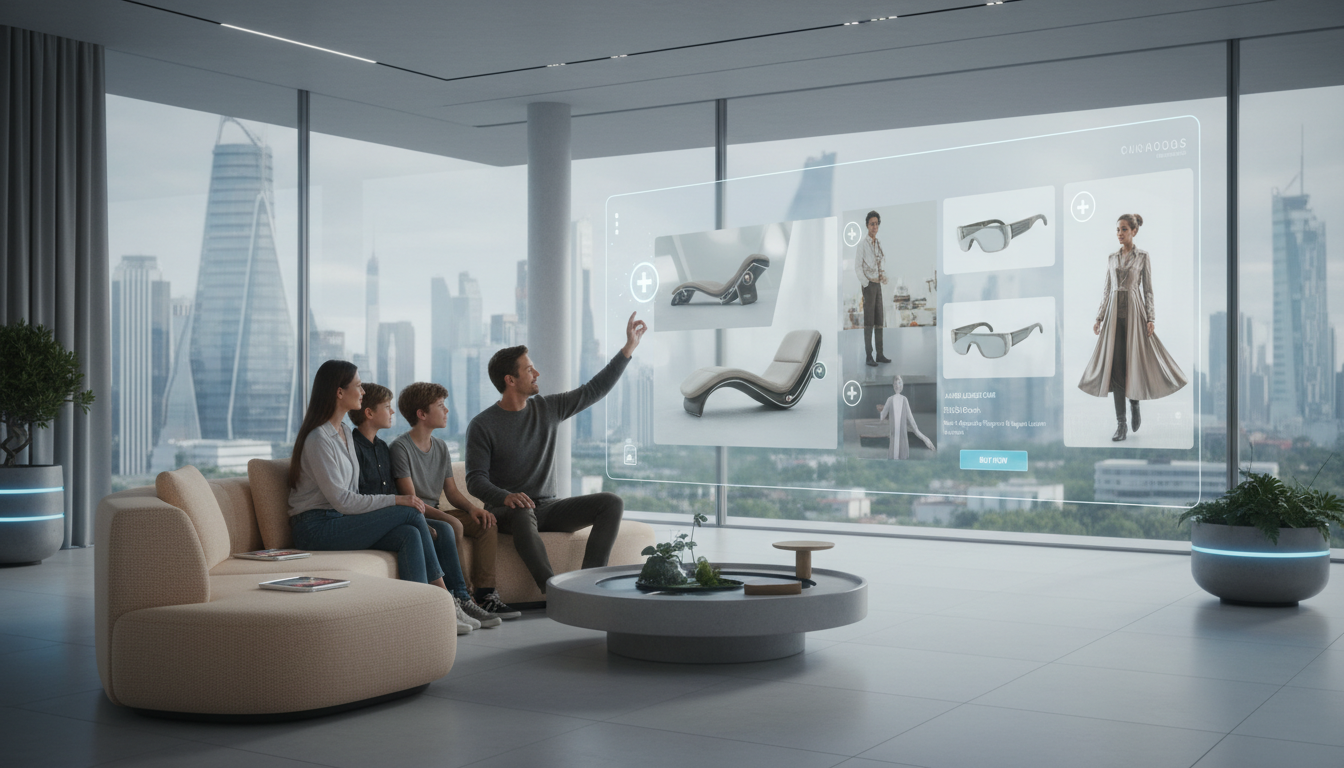
The combination of interactive and shoppable elements creates powerful, personalized customer experiences. A brand like Ariel Furniture could create an interactive video that guides potential customers through designing a virtual room. As they make choices on furniture styles and colors, the selected items become shoppable, offering a bespoke purchasing journey. This type of experience builds not just brand loyalty, but a deep, emotional connection based on personalized interaction and immediate satisfaction.
For M&M Communications, these niches represent exciting opportunities to create truly magical stories that not only captivate but also empower. By understanding client goals – whether it's increasing sales for Vinchoco, promoting destinations like Ly Son - Ky Bi Dao Nui Lua, or showcasing events for CafeShow Vietnam – we can design interactive and shoppable video experiences that deliver measurable results while forging lasting connections. This is about creating a dialogue, not a monologue, allowing customers to truly participate in the brand's narrative and find their own unique experience within it.
Conclusion: Staying Competitive in 2026
The landscape of video production in 2026 is a vibrant tapestry woven with technological innovation, evolving consumer behaviors, and boundless creative potential. From the intelligent augmentation of AI-first workflows and the immersive power of virtual production to the immediate impact of short-form content and the transactional convenience of interactive video, the tools and techniques available to storytellers are more sophisticated and accessible than ever before. This era demands not just adaptation, but a proactive embrace of change and an unwavering commitment to authentic connection.
For M&M Communications, our journey through this dynamic environment is guided by our core philosophy: to create inspirational and magical stories that go beyond mere persuasion, emphasizing the profound experiences customers have when choosing your brand. We believe that true loyalty is built on feeling, on deep resonance that transcends the transactional. The advancements in video production in 2026 provide unprecedented avenues to achieve this, allowing us to craft narratives that are not only visually stunning but also emotionally impactful and deeply engaging.
Staying competitive in this rapidly evolving domain means continuously understanding these trends, integrating new technologies, and, most importantly, never losing sight of the human element at the heart of every story. It requires a strategic partner who can navigate the complexities of AI, virtual production, and diverse content formats, while always prioritizing your unique voice and objectives. This is where M&M Communications truly shines, offering integrated services from strategic planning to asset production and campaign implementation, simplifying your life while optimizing your budget.
As a one-stop marketing service agency, we commit to being your helping hand, ensuring your voice is heard and your needs are met. We promise to never stop making you wonder at all things we do, from our creative works to every single effort. The "State of Video Production in 2026" is not just about technology; it's about harnessing these innovations to build stronger, more meaningful connections between brands and their audiences. It’s about making people not just buy your products, but stick with you by feeling, creating a bond that goes beyond.