The vibrant tapestry of Asia is a paradox of ancient traditions and hyper-modern innovation, a dichotomy that profoundly shapes its advertising landscape. As a traveler and observer of cultures, I've witnessed firsthand how brands across this continent don't just sell products; they tell stories, evoke emotions, and create experiences that linger long after the commercial ends. This pursuit of the "wow-factor" is not merely about persuasion; it's about forging an unforgettable connection, a philosophy deeply resonant with us at M&M Communications.
At M&M, we believe in transcending mere transactions, opting instead to weave inspirational and magical narratives that emphasize the customer's journey and feelings when choosing a brand. This approach, rooted in understanding deep cultural insights, allows us to craft solutions that don't just make people buy but make them belong. By exploring the diverse approaches to "wow-factor" advertising across Asia, we uncover the advanced techniques and nuanced strategies that captivate audiences and build lasting relationships, setting brands apart in a bustling marketplace.
Aesthetic Differences: Minimalism vs. Maximalism in Asian Advertising
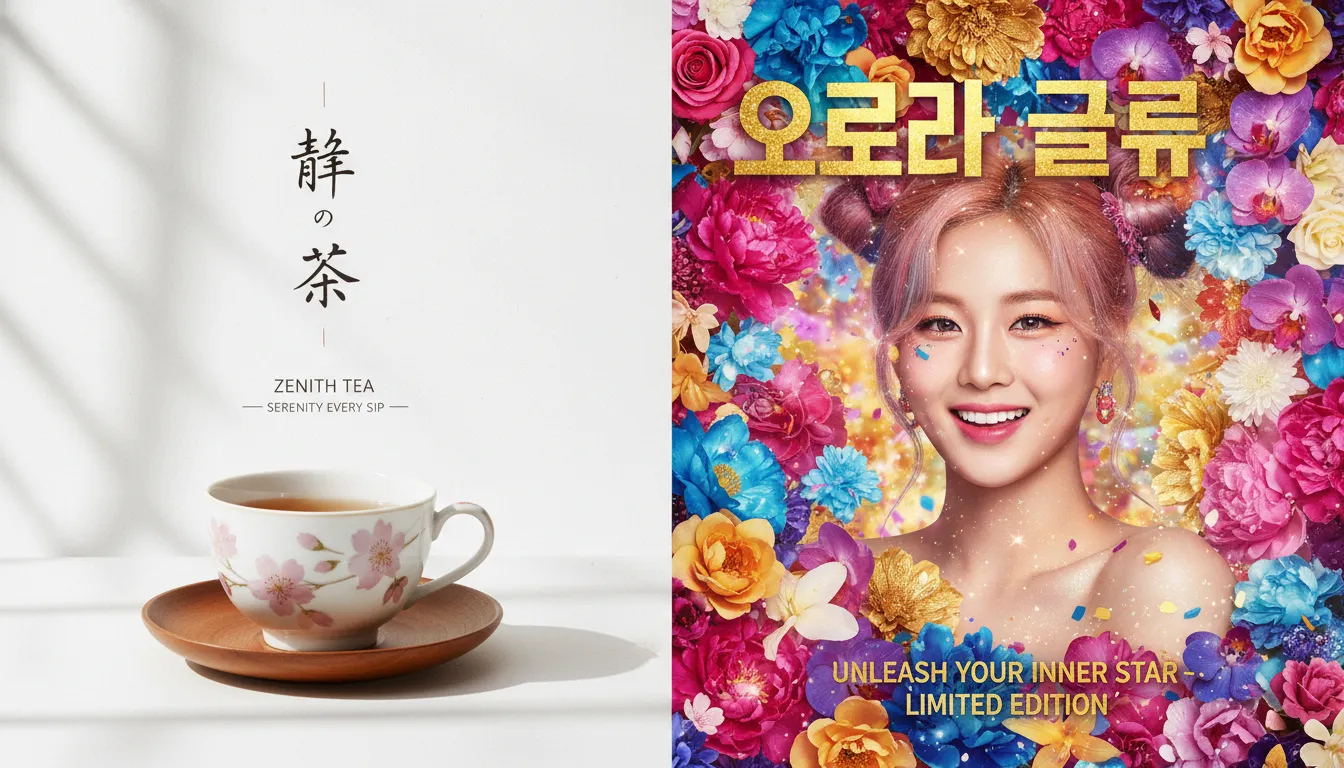
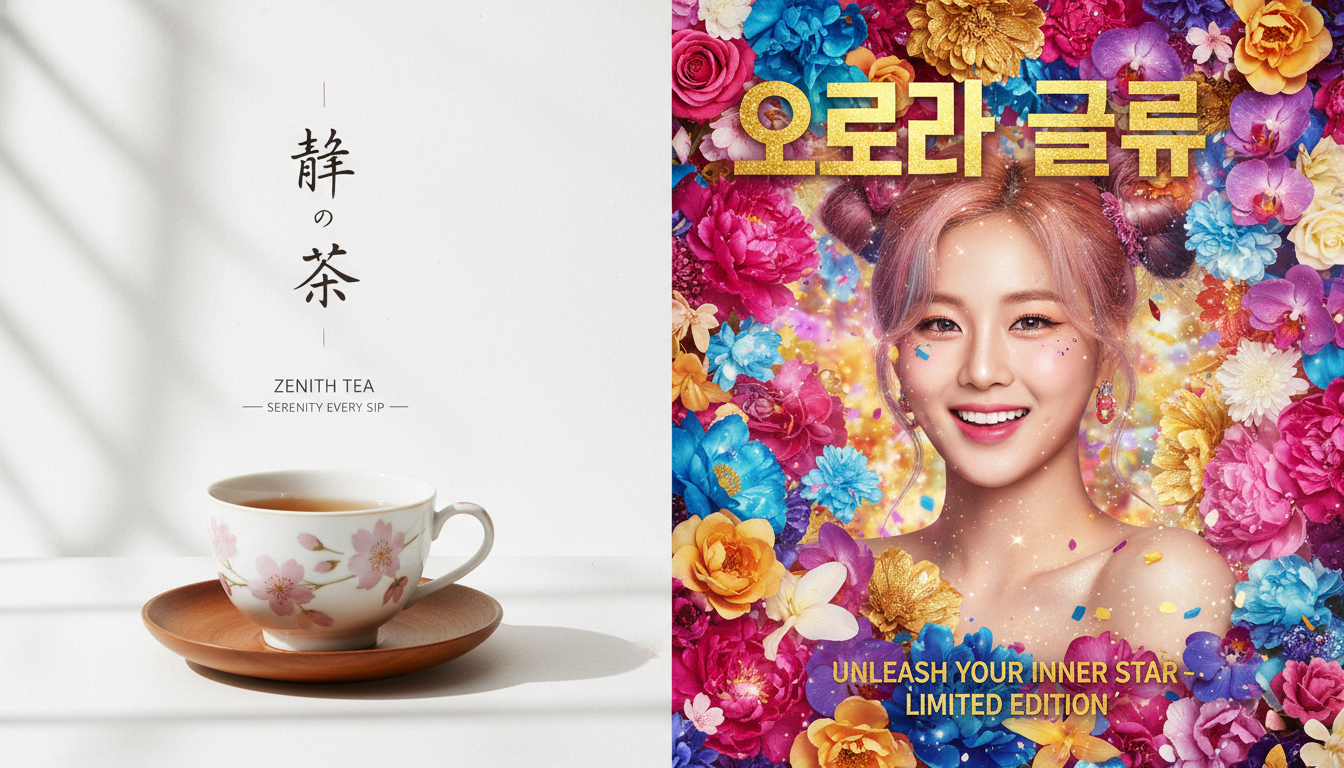
The visual language of advertising across Asia is a fascinating study in contrasts, primarily oscillating between the understated elegance of minimalism and the captivating exuberance of maximalism. These aesthetic choices are deeply rooted in cultural values, historical contexts, and contemporary trends, each designed to evoke a distinct "wow-factor" that resonates with local sensibilities. Understanding this spectrum is crucial for any brand aiming to make a genuine impact.
In countries like Japan, a profound appreciation for minimalism often translates into advertising campaigns that prioritize subtlety, craftsmanship, and a quiet sense of beauty. Japanese aesthetics, influenced by Zen Buddhism and principles like wabi-sabi, celebrate simplicity, natural elements, and meticulous detail. Brands like MUJI, for instance, don't just sell products; their advertising, often devoid of overt messaging, invites consumers to appreciate the inherent quality and thoughtful design, suggesting a lifestyle rather than merely a purchase. My own experiences traversing Japan, from the serene gardens of Kyoto to the artfully presented bento boxes in a Tokyo train station, constantly reinforce this national inclination towards understated perfection. Campaigns often use soft color palettes, ample white space, and focus on the product's natural form or function, encouraging a moment of quiet contemplation rather than immediate gratification. The "wow" here comes from a sense of sophisticated calm and an appreciation for what is essential.
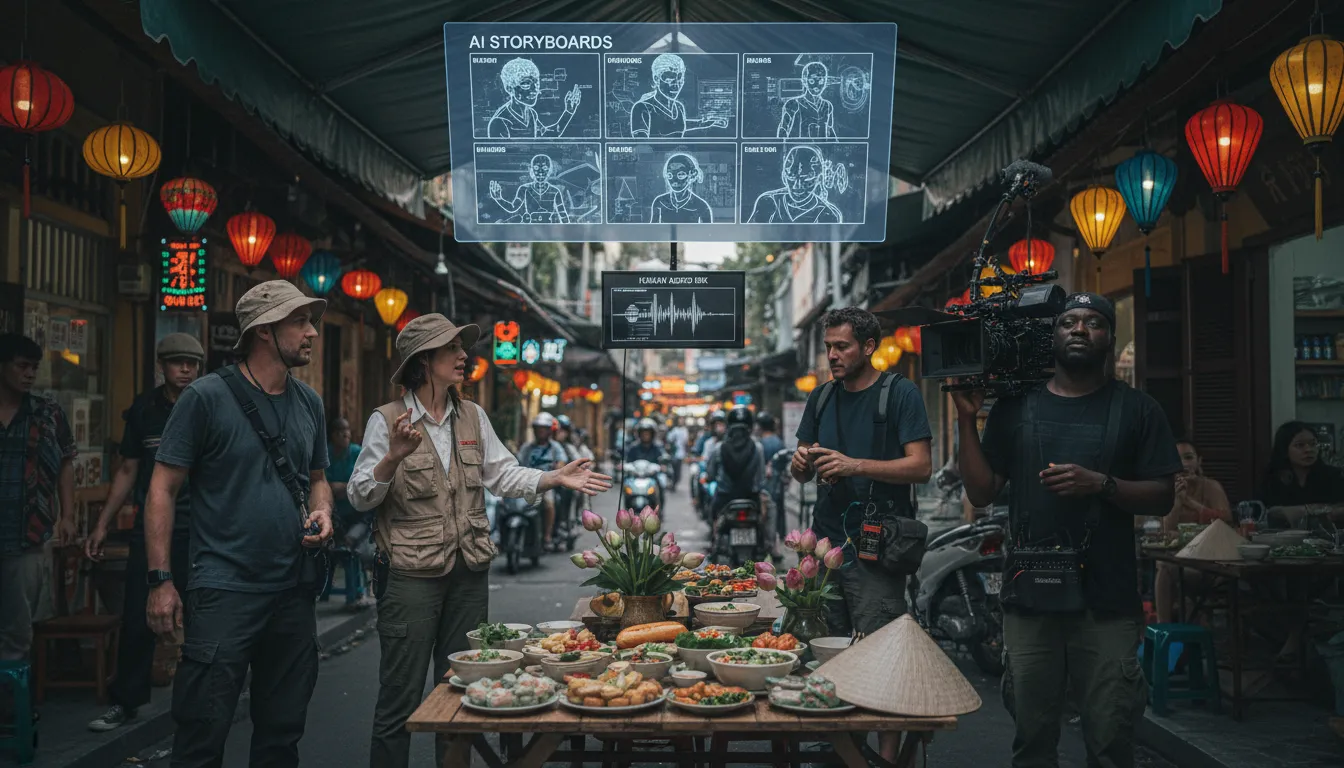
Conversely, in many other parts of Asia, particularly in countries like China, South Korea, and much of Southeast Asia, maximalism reigns supreme, leveraging vibrant colors, intricate details, and a dynamic visual intensity to grab attention. This approach often mirrors the bustling energy of their urban landscapes, the richness of their cultural festivals, and a preference for overt expression. Campaigns are often characterized by bold graphics, elaborate sets, fast-paced edits, and a sensory overload that demands engagement. Consider the dazzling K-Pop music videos or the elaborate commercials aired during Lunar New Year celebrations in Vietnam or China, which often feature lavish feasts, opulent decor, and a joyous explosion of color. When I walk through markets in Ho Chi Minh City or Seoul, the sheer visual density – from neon signs to overflowing stalls of goods – reflects this maximalist bent. For these cultures, the "wow-factor" is generated through sheer spectacle, emotional resonance, and a celebration of abundance, creating an immediate and undeniable impact.
The "wow" generated by maximalist campaigns often taps into collective joy, aspiration, and a sense of shared community. Brands like Shiseido, a client of M&M Communications, while having Japanese roots, often adapt their visual storytelling for different Asian markets, embracing richer palettes and more dramatic narratives to connect with a broader audience. Similarly, the vibrant packaging and energetic promotional materials for products like Vinchoco or Cafe’In cater to a market that appreciates visual flair and a strong, immediate impression. The contrast between these two aesthetic philosophies underscores the importance of cultural empathy in advertising; what is considered "wow" in one market might be merely overlooked or even overwhelming in another.
Platform Preference: Twitter/X (Japan) vs. Instagram/YouTube (Korea)
The digital landscape in Asia is as varied as its physical terrain, with each major market developing distinct preferences for social media platforms that significantly influence how advertising campaigns achieve their "wow-factor." Understanding these platform allegiances is not just about reach; it's about understanding the unique engagement styles and content formats that resonate most deeply with specific audiences. This insight allows brands to tailor their storytelling for maximum impact.
In Japan, Twitter (now X) has long held a dominant position, serving as a primary hub for real-time information, community engagement, and character-driven content. The platform's emphasis on brevity, trending hashtags, and direct interaction aligns perfectly with Japanese communication styles, which often value conciseness and group participation. Campaigns in Japan often leverage Twitter for immediate reactions, viral challenges, and collaborative storytelling, frequently featuring beloved brand mascots or anime characters. I've often used Twitter myself during my travels in Japan to get immediate updates on train schedules, local events, or even to follow fan discussions about a new anime release. Brands skillfully tap into this by creating interactive polls, launching limited-time promotions, and engaging directly with user-generated content. The "wow-factor" on Twitter often stems from clever wordplay, unexpected twists, or the sheer virality of a unique hashtag campaign, fostering a sense of shared experience and immediate community participation. Anime collaborations, for instance, often launch character-specific hashtags that allow fans to collectively celebrate and share their excitement, creating a powerful, organic buzz.
South Korea, by contrast, demonstrates a strong preference for visually-driven platforms like Instagram and YouTube, reflecting its highly aesthetic culture and global influence through K-Pop and K-Drama. Instagram is the go-to platform for showcasing aspirational lifestyles, fashion trends, and beauty products, driven largely by celebrity influencers and meticulously curated visuals. Brands leverage Instagram for high-quality imagery, short-form video content, and direct engagement with followers through Stories and Reels. My own discovery of many Korean fashion and beauty brands often began on Instagram, captivated by the stunning visuals and the seamless integration of products into everyday life. The "wow-factor" here is often tied to visual appeal, aspirational content, and the perceived authenticity of influencer endorsements, creating trends that spread rapidly.
YouTube, on the other hand, is Korea's powerhouse for longer-form content, encompassing everything from elaborate K-Pop music videos and variety shows to detailed product reviews and vlogs. Brands utilize YouTube for immersive storytelling, showcasing product features in depth, and creating branded entertainment that feels less like advertising and more like engaging content. This strategy aligns perfectly with M&M's philosophy of inspirational storytelling; rather than just showing a product, brands like Lotte Hotel Saigon, one of our clients, can create compelling narratives about luxury experiences or culinary journeys that resonate deeply with viewers. The "wow" on YouTube comes from high production value, engaging narratives, and the ability to build a loyal viewership that actively seeks out brand content. Whether it's a beauty tutorial featuring a new cosmetic line or a mini-documentary about a restaurant, YouTube allows for a richer, more detailed narrative that captivates and informs.
The divergence in platform preference highlights the importance of localized digital strategy. A campaign that goes viral on Twitter in Japan might fall flat on Instagram in Korea if the visual language and engagement style aren't adapted. M&M Communications’ integrated services, from creative ideation to asset production, are perfectly positioned to navigate these differences, crafting content that is not only platform-appropriate but also culturally resonant, ensuring the "wow-factor" truly connects with the target audience.
The Role of 'K-Drama' Product Placement vs. 'Anime' Collaborations
The art of integrating brands into popular culture to achieve a "wow-factor" takes distinct forms across Asia, with South Korea's ubiquitous K-Drama product placement offering a stark contrast to Japan's intricate anime collaborations. Both strategies leverage the immense emotional connection audiences have with beloved characters and storylines, but they do so through different mechanisms, each designed to create a unique kind of resonance and engagement.
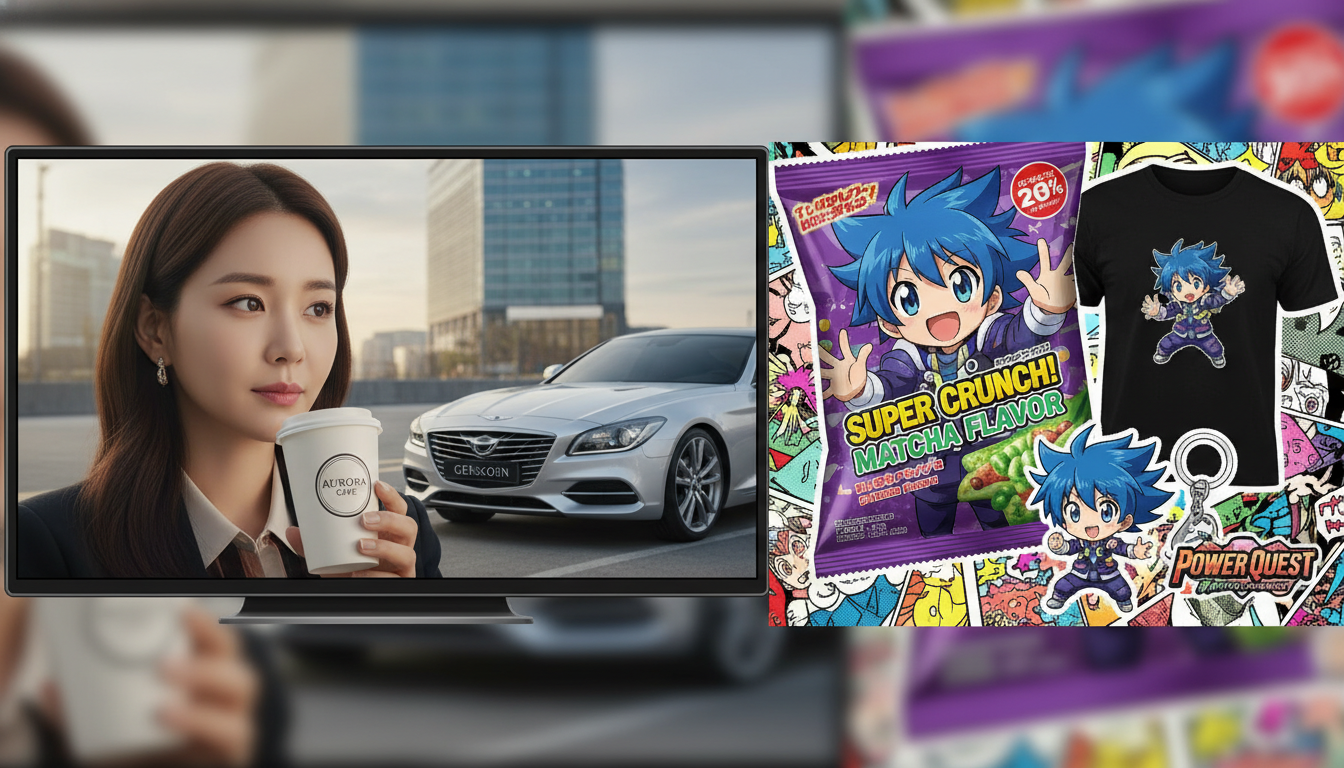
In South Korea, K-Dramas have become a global phenomenon, captivating millions with their compelling narratives, stylish characters, and high production values. This widespread appeal has made them an incredibly powerful vehicle for product placement, often creating a subtle yet highly effective "wow-factor" that drives consumer behavior. Brands, from skincare and fashion to food and automotive, are seamlessly woven into the fabric of these dramas, appearing as products used by protagonists, settings for romantic encounters, or even plot devices. I've personally found myself researching a specific coffee brand or a piece of clothing after seeing my favorite K-Drama character use it, demonstrating the profound influence these placements can have. The "wow" here often comes from the aspiration and relatability; viewers see their idols using a product in a desirable context, making it inherently appealing.
The genius of K-Drama product placement lies in its ability to generate organic interest and foster a sense of shared experience among fans. When a character uses a particular lipstick, eats a specific instant noodle, or drives a certain car, it's not just an advertisement; it's an endorsement from a trusted, admired figure within a beloved story. This creates a powerful emotional connection that transcends traditional advertising, making the product feel more authentic and desirable. M&M's expertise in creative performance content and commercial video production could certainly help brands integrate their products into such narratives, ensuring that the placement feels natural and impactful, resonating deeply with the audience's insights, much like the successful integration of brands like Colgate & Pamolive or The Body Shop into relevant content.
Japan, on the other hand, excels in creating "wow-factor" through deep and often elaborate anime collaborations. Anime is not just entertainment in Japan; it's a cultural pillar, with a massive, dedicated fanbase spanning all age groups. Brands often partner with popular anime franchises to create limited edition merchandise, themed experiences, or even animated commercials that feature beloved characters. This approach taps into a profound sense of nostalgia, loyalty, and passion among fans. I recall searching frantically for specific Sailor Moon-themed snacks during one trip, or marveling at the detailed Gundam model kits that were part of a wider collaboration campaign. The "wow" in anime collaborations is often about exclusivity, collectibility, and the joy of seeing two beloved worlds merge.
These collaborations go far beyond simple product endorsements; they are often integrated campaigns that include special events, pop-up cafes, or even unique story arcs within the anime itself. For instance, Uniqlo's frequent collaborations with various anime series, featuring graphic tees with iconic characters, consistently generate significant buzz and drive sales. This strategy allows brands to tap into an existing, passionate community, creating a sense of shared identity and belonging. The depth of these collaborations, from custom packaging to unique character interactions, demonstrates a nuanced understanding of the fanbase. M&M's experience in key visual production and customized concept shooting would be invaluable for brands seeking to create visually stunning and emotionally resonant anime-style collaborations that capture this unique "wow-factor," much like our work with branding and graphic services for clients like Vinchoco or Ly Son.
Both K-Drama product placement and anime collaborations represent advanced techniques in achieving advertising "wow-factor" by leveraging cultural phenomena. They illustrate how understanding audience passion points and integrating brands into narratives they already love can create powerful, lasting connections.
Consumer Response to Celebrity Endorsements in Asia
The power of celebrity endorsement in Asia is undeniable, creating a potent "wow-factor" that can instantly elevate a brand, drive trends, and foster deep emotional connections. However, the nuances of how consumers respond to these endorsements vary significantly across different markets, reflecting diverse cultural values, media consumption habits, and the unique relationship between fans and public figures. Understanding these subtleties is key to harnessing the true potential of celebrity influence.
In South Korea, the phenomenon of Hallyu, or the Korean Wave, has propelled K-Pop idols and K-Drama stars to unprecedented levels of global fame, making them incredibly influential brand ambassadors. For Korean consumers, and increasingly for fans worldwide, these celebrities are not just entertainers; they are trendsetters, style icons, and aspirational figures. An endorsement from a top K-Pop group like BTS or a beloved K-Drama actor can instantly create a massive "wow-factor," driving sales and generating fervent discussion. I’ve personally seen the immediate impact in Seoul, where products endorsed by a popular idol fly off the shelves almost instantaneously. The response is often emotional and communal, with fans eager to support their idols by purchasing endorsed products, thereby feeling a closer connection to them. Authenticity and perceived alignment between the celebrity and the brand are crucial; a mismatch can quickly lead to backlash.
China's celebrity endorsement landscape is equally dynamic but often characterized by its scale and the integration of mega-influencers (Key Opinion Leaders or KOLs) into live-streaming e-commerce. Chinese consumers are highly responsive to celebrity endorsements, especially when coupled with direct sales channels. Live-streaming sessions featuring celebrities or top KOLs can generate billions in sales within hours, creating an astonishing "wow-factor" through sheer transaction volume and immediate gratification. The emphasis here is often on trust, perceived value, and the excitement of a limited-time offer. M&M Communications, through our expertise in production services for clients like Shiseido and The Body Shop, understands how to craft compelling visual content that amplifies celebrity appeal and translates into tangible consumer action within these high-stakes environments.
In Japan, while celebrity endorsements are prevalent, the consumer response often carries a different flavor, leaning more towards long-term brand ambassadorship and a subtle build of trust rather than immediate, explosive sales. Japanese celebrities, often actors or models, tend to be associated with brands over extended periods, fostering a sense of reliability and aspiration. The "wow-factor" here is more about consistent quality, brand prestige, and the celebrity embodying the brand's values rather than just promoting a product. For instance, a renowned actor endorsing a high-end whisky might evoke a sense of sophisticated lifestyle and tradition, appealing to a consumer's desire for quality and heritage. My observation is that Japanese advertising often uses celebrities to create a comfortable, familiar presence, building a relationship over time, much like the enduring appeal of certain historical figures in art.
Across Southeast Asia, including Vietnam, celebrity endorsements blend elements from all these approaches. Local celebrities, social media influencers, and even regional K-Pop or K-Drama stars are widely used to create a "wow-factor" through aspirational imagery and direct engagement. Brands like Rooster Beer or Bundaberg Beer, for example, might leverage popular figures to connect with local tastes and cultural celebrations. The response is often enthusiastic, driven by a desire to emulate admired figures and be part of trending conversations. The challenge and opportunity for brands lie in selecting the right celebrity whose image, values, and fan base genuinely align with the brand’s message, ensuring the endorsement feels authentic and creates a lasting, positive impression beyond the initial buzz. This strategic matchmaking is crucial for translating a celebrity's "wow-factor" into enduring customer loyalty.
Technical Innovation: 3D Billboards vs. Interactive Pop-up Stores
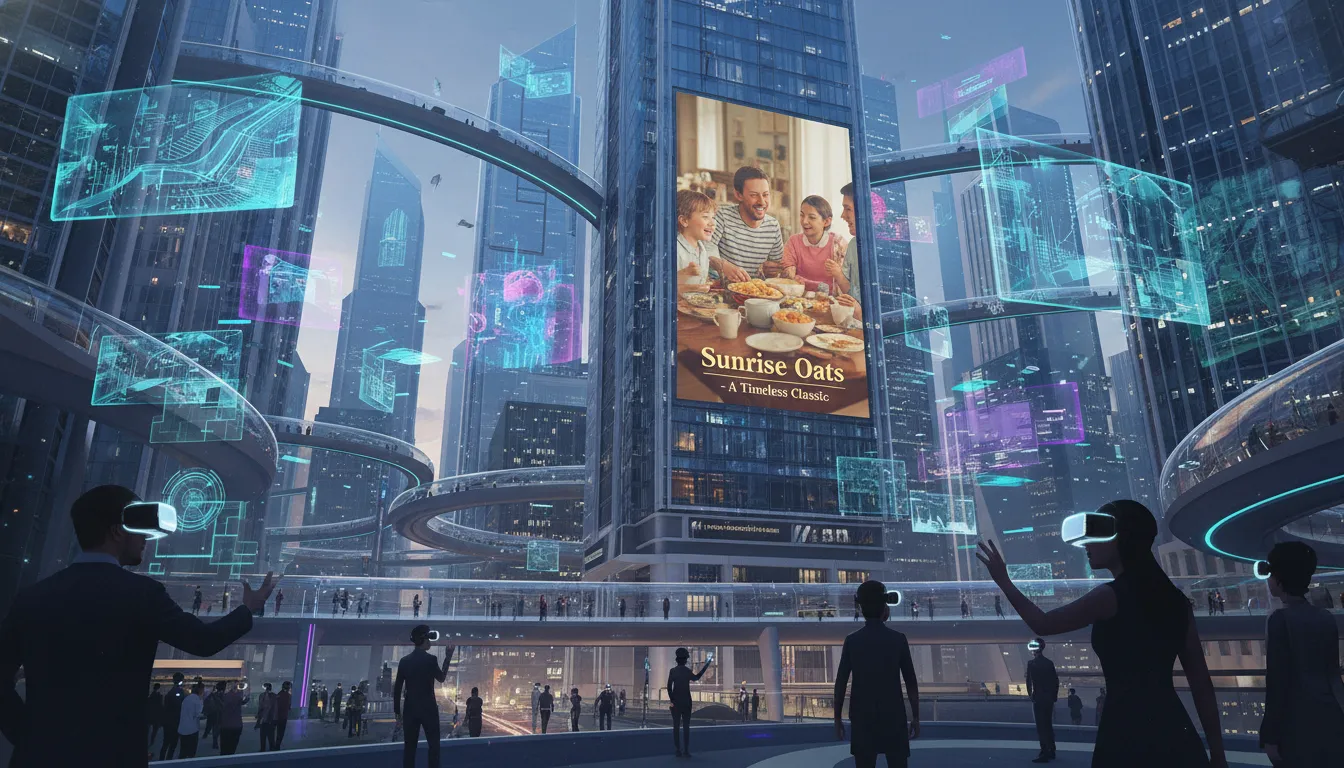
The pursuit of the "wow-factor" in Asian advertising is increasingly driven by groundbreaking technical innovations that transform static messages into dynamic, immersive experiences. Among the most striking examples are the rise of colossal 3D anamorphic billboards and the proliferation of highly interactive pop-up stores, each offering a distinct pathway to captivate audiences and create unforgettable brand moments. These advanced techniques showcase how technology, when coupled with creative storytelling, can redefine public engagement.
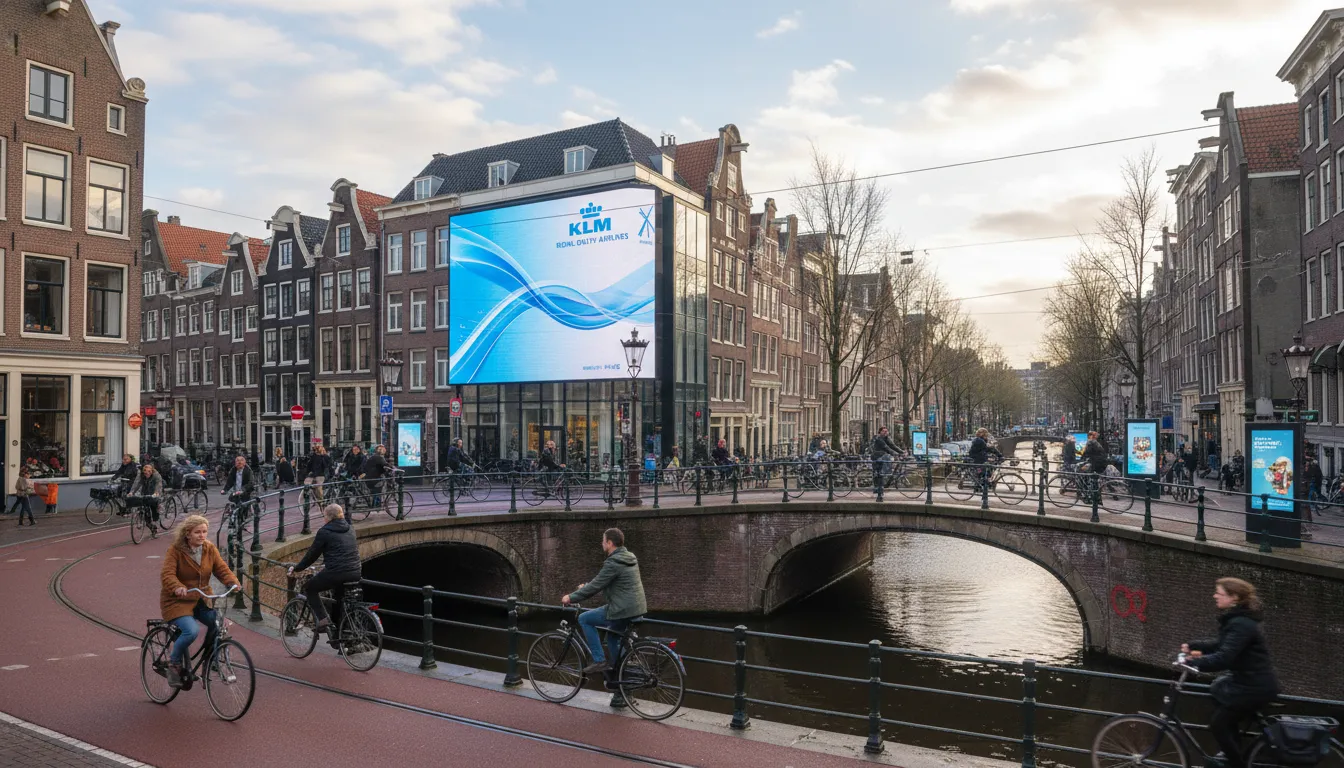
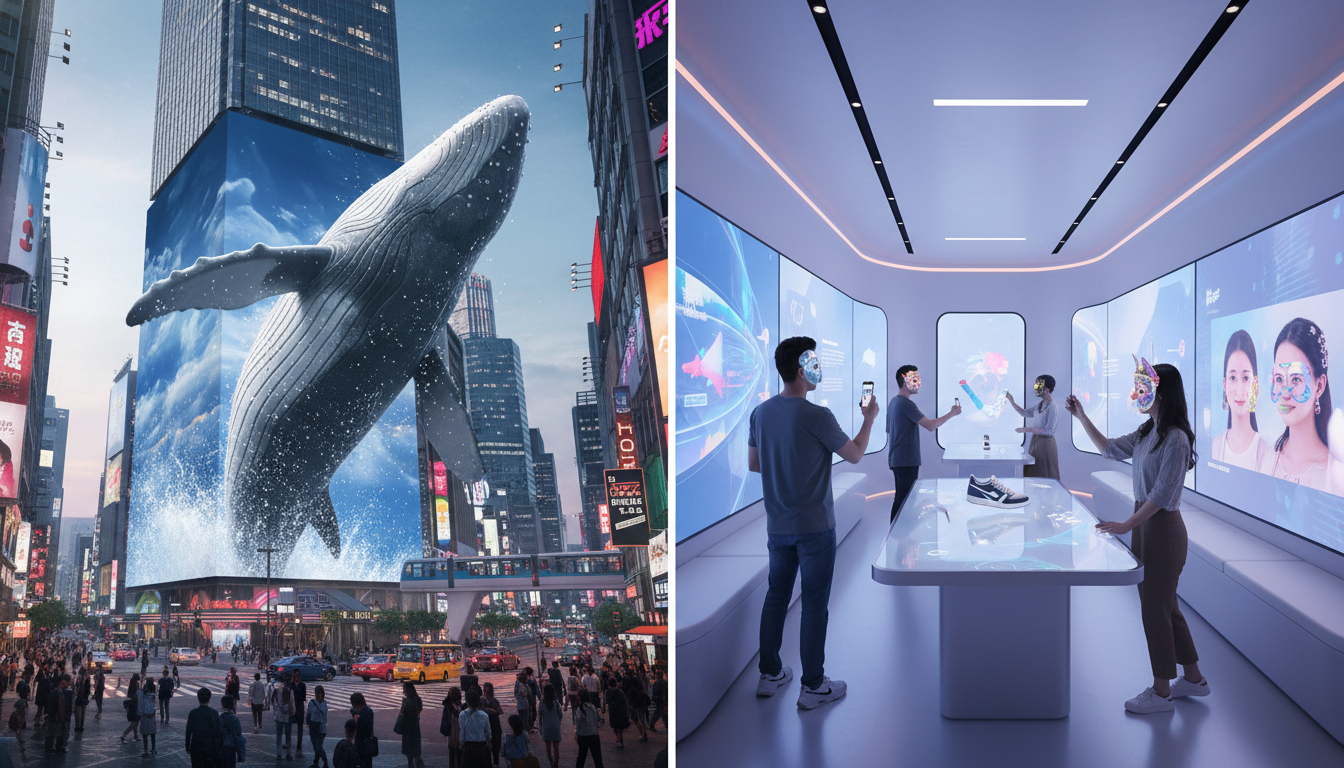
The advent of 3D anamorphic billboards has ushered in a new era of urban spectacle, particularly in South Korea and China. These massive LED screens, utilizing an optical illusion technique, create the impression of three-dimensional objects seemingly breaking out of the screen or moving with incredible depth. The "wave" billboard in Seoul's Gangnam district, or the giant 3D cat in Tokyo, have become viral sensations, drawing crowds and generating immense global media attention. The "wow-factor" here is immediate and visceral: a breathtaking visual illusion that stops passersby in their tracks, compelling them to capture and share the experience. It transforms advertising into public art, a momentary escape from the mundane, demonstrating the sheer power of visual spectacle.
These 3D billboards are not just about showing a product; they are about creating an experience that is so novel and impressive that it becomes a conversation piece. For brands like Shiseido or Lotte Hotel Saigon, leveraging such a platform could mean showcasing their products or services with an unprecedented level of visual drama and sophistication, cementing their image as innovative and cutting-edge. The technical mastery required to produce these illusions, coupled with compelling creative content, ensures that the message is not just seen but felt, leaving a lasting impression on a massive scale. My own experience standing before these giants, feeling genuinely disoriented and amazed, underscores their power to command attention in even the busiest urban environments.
In parallel, interactive pop-up stores have emerged as a powerful tool for brands, especially in Japan and South Korea, to create a more intimate, hands-on "wow-factor." Unlike static advertisements, pop-up stores offer limited-time, immersive environments where consumers can directly engage with a brand, its products, and its story. These spaces are meticulously designed to be multi-sensory, often incorporating augmented reality, personalized experiences, and unique photo opportunities that encourage social sharing. The "wow" here is rooted in personalized interaction, exclusivity, and the joy of discovery.
I've had the pleasure of visiting several such pop-ups in Tokyo and Seoul – from a themed cafe promoting a new video game, complete with AR elements and exclusive merchandise, to a beauty brand offering personalized skin consultations and bespoke product samples. These experiences go beyond mere retail; they are carefully curated journeys that deepen brand loyalty and create memorable personal connections. For M&M Communications' clients, particularly those focused on product launches or brand experiences like The Body Shop or Pasteur Street Craft Beer, interactive pop-ups offer an unparalleled opportunity. They allow for customized concepts, product feature showcases, and event recaps that resonate deeply with customers' needs, transforming a simple purchase into an engaging adventure.
The technical innovations of 3D billboards and interactive pop-up stores represent the vanguard of "wow-factor" advertising in Asia. While 3D billboards excel at broad, public spectacle and viral impact, interactive pop-ups specialize in deep, personalized engagement and community building. Both demonstrate how advanced techniques, when strategically applied, can create inspirational and magical storytelling moments that transcend traditional advertising boundaries, making customers feel a deeper connection to the brand.
Conclusion: The Enduring Magic of Asian Storytelling
The intricate tapestry of Asian advertising, with its blend of ancient cultural nuances and cutting-edge technological prowess, offers invaluable lessons in achieving the elusive "wow-factor." From the serene minimalism of Japan to the vibrant maximalism of Korea and China, and from the platform-specific engagements of Twitter/X and Instagram/YouTube to the cultural phenomena of K-Drama product placement and anime collaborations, each market presents a unique challenge and an unparalleled opportunity for brands to connect deeply with their audiences. The advanced techniques, whether through celebrity endorsements or groundbreaking 3D billboards and interactive pop-up stores, are not merely about grabbing attention; they are about crafting experiences that resonate emotionally and culturally.
At M&M Communications, our core philosophy is to move beyond mere persuasion, focusing instead on creating inspirational and magical stories that emphasize the customer's experience and foster lasting connections. This exploration of Asia’s diverse advertising landscape reinforces our commitment to understanding our clients, their competitors, and their customers on a profound level. By delving into these aesthetic differences, platform preferences, and innovative techniques, we gain the insights necessary to create solutions that don't just make people buy, but make them feel – a bond that goes beyond the transactional.
The true "wow-factor" in Asian advertising lies in this empathetic understanding of local insights, transforming mere campaigns into cultural dialogues. As a one-stop marketing service agency, we are dedicated to simplifying our clients' lives with integrated services, optimizing their budgets, and always being a comfortable helping hand. We prioritize customer service to ensure every voice is heard and every need is met, constantly striving to make our clients wonder at all things we do. By embracing the rich diversity and innovative spirit of Asia, we continue to help brands create advertising that is not just effective, but truly unforgettable, forging connections that endure long after the campaign ends.