When starting to build a brand, many businesses immediately think about designing a logo. However, an important question often arises: should the logo be created before or after brand positioning?
In reality, a logo is not just a graphic symbol. It is a visual representation of a brand’s personality and values. Determining the right sequence in the branding process helps businesses avoid unnecessary changes later on.
So what is the right approach to building a logo and defining brand positioning?
1. What is brand positioning?
Brand positioning is the process of defining a company’s place in the minds of customers compared to competitors in the market. Through positioning, businesses clarify their unique value, target audience, and the core message they want to communicate.
A clear positioning strategy typically includes:
- Core brand values
- Target audience
- Key differentiators from competitors
- Brand style and personality
These elements serve as the foundation for building the entire brand identity system, including the logo.

2. The role of a logo in brand identity
A logo is a visual symbol that helps customers recognize a brand quickly. It is often the first element that appears on product packaging, websites, social media, and various communication materials.
- An effective logo should meet several criteria:
- Easy to recognize
- Aligned with brand personality
- Adaptable across multiple platforms
- Memorable over time
Therefore, a logo should not only be visually appealing but also reflect the essence of the brand.
>>> 10 essential elements of a professional brand identity system
3. Why brand positioning should come before logo design
In many cases, businesses design a logo at the beginning without clearly defining their brand strategy. This can lead to a logo that does not align with long term development.
When brand positioning is defined first, designers have the necessary insights to create a logo that accurately reflects the brand’s values and personality.
For example:
- A premium brand may use minimalist design and elegant color palettes
- A youth oriented brand may adopt a more dynamic and creative style
Clear positioning makes the logo design process more accurate and effective.
4. A logo is the visual expression of brand strategy
A logo is not the starting point of a brand. It is part of a broader identity system built upon a well defined strategy.
When positioning is clear, the logo becomes a tool to communicate the brand message in a consistent and visual way.
This helps maintain a cohesive brand image across platforms and makes it easier for customers to remember the brand.
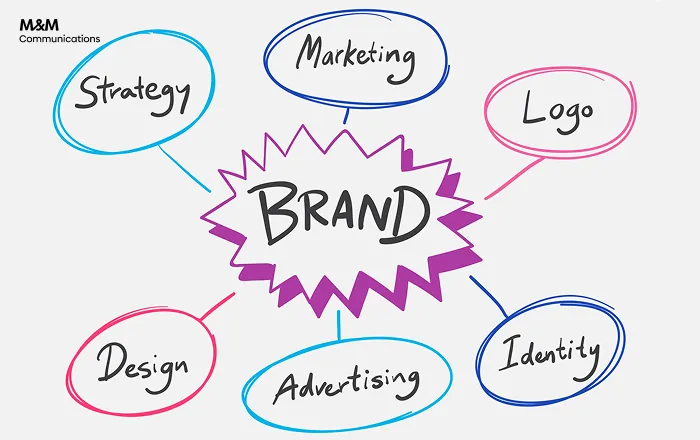
Strategic logo design with M&M Communications
At M&M Communications, we support businesses from brand positioning research to logo design and the development of a complete identity system.
Our process begins with analyzing the industry, target audience, and brand strategy to ensure the logo is not only visually appealing but also truly reflects the brand’s identity.
A logo built on a clear strategy helps create a professional impression and supports sustainable brand growth.
Conclusion
Logo design and brand positioning are closely connected in the branding process. When positioning is defined first, the logo design becomes more effective and ensures consistency across the brand identity system.
For businesses building a brand from scratch, investing in brand positioning before designing a logo is a crucial step toward long term growth.